A House in the Rift
Play A House in the Rift
A House in the Rift Screenshots









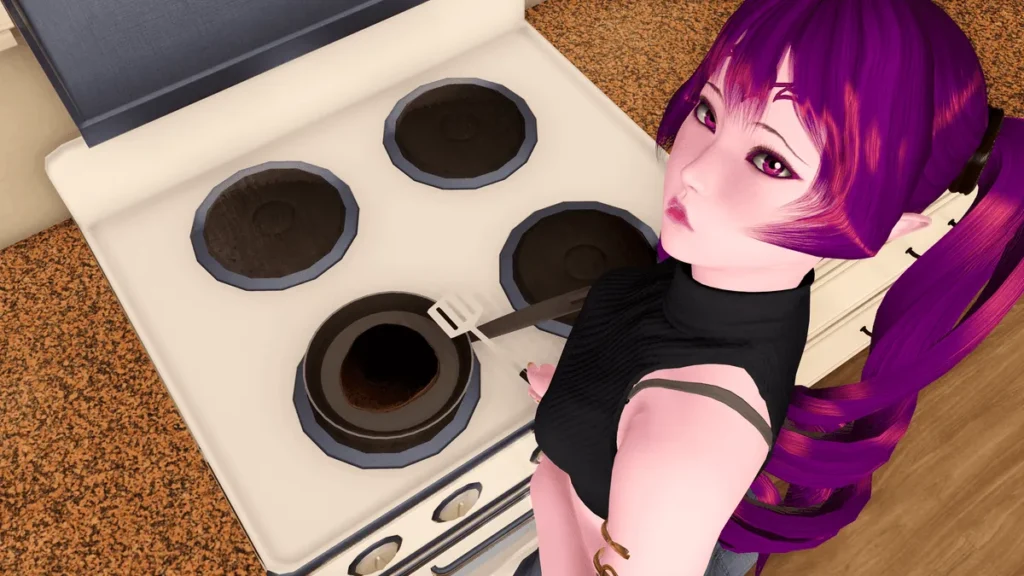





A House in the Rift review
Master gameplay mechanics, character paths, and strategic choices in this immersive interactive experience
A House in the Rift stands out as a complex interactive narrative experience that demands strategic decision-making and careful stat management. Players navigate intricate relationship dynamics, character loyalty paths, and meaningful choices that directly impact story outcomes. This comprehensive guide explores essential gameplay mechanics, character interaction systems, and proven strategies for achieving desired narrative endings. Whether you’re pursuing specific character paths or seeking to understand the game’s underlying systems, this walkthrough provides actionable insights to enhance your gameplay experience and help you make informed decisions throughout your journey.
Understanding Core Gameplay Mechanics in A House in the Rift
Welcome, fellow dimensional traveler! 😊 If you’ve just stumbled into the mysterious mansion and are feeling overwhelmed by its many systems, you’re not alone. I remember my first playthrough, blindly clicking through dialogues and wondering why certain scenes wouldn’t trigger or why a character suddenly seemed cold. Understanding the A House in the Rift gameplay mechanics is the absolute key to moving from confused visitor to master of the rift. This chapter is your foundation, breaking down the core systems that control everything from romance to resources. Let’s demystify the lust level, seduction scores, and the art of character stat management together.
Think of this guide as your personal journal from my many, many hours in the rift. We’re going to cover the systems that aren’t always explicitly explained but are vital for shaping your story. By the end, you’ll know exactly how to balance stats in A House in the Rift and navigate your path with confidence.
How the Lust and Seduction System Works
This is arguably the heart of the game’s interactive experience, and confusing the two can lead you down unexpected paths! 🎭 Let’s clear this up right away: Lust and Seduction are related but fundamentally different mechanics.
First, let’s talk about Lust. This is a moment-to-moment state for each character. You see it represented by the kisslips indicator in the top-right corner during dialogues. It has multiple levels (Low, Medium, High, Very High) that fluctuate based on your immediate choices, the time of day, and the situation.
Pro Tip: A character with High Lust isn’t necessarily “in love” with your protagonist—they’re in a state of heightened arousal. This can make them more receptive to intimate options right now, but it doesn’t guarantee long-term affection. It’s like a temporary window of opportunity.
Now, onto the Seduction Score. This is your long-term progress with a character. It’s the infamous red bar in your relationship panel. Building this score represents growing comfort, intimacy, and a deeper connection. Crucially, you don’t need this bar maxed out for most romantic content. A moderate to high seduction score opens the door, but the current lust level often determines if a character walks through it.
Here’s a personal anecdote: I was once diligently raising Rae’s seduction score, thinking I needed it near maximum for a major scene. I had the score, but the scene kept failing. Why? Because I was trying to trigger it in the morning when her lust level was naturally low. I returned in the evening with a flirtatious conversation to raise her lust, and the scene played out perfectly. The seduction score explained my potential with her; the lust level dictated the timing.
This is why understanding this lust level system guide is critical for character stat management. Your choices need to consider both the long game (seduction) and the immediate context (lust). Balancing these is the core of strategic play.
To make this crystal clear, here’s a breakdown of how these stats interact:
| Lust Level | Seduction Score Range | Typical Character Behavior & Scene Impact |
|---|---|---|
| Low | Any Level | Characters are focused, professional, or casual. Romantic or intimate dialogue choices are often rejected or met with confusion, regardless of your long-term relationship. Ideal for building platonic trust. |
| Medium | Medium to High | Characters become flirtatious and more receptive. This is the primary “sweet spot” for progressing romantic storylines and unlocking many intimate scenes. Choices here feel natural and consensual. |
| High | Medium to High | Characters are visibly eager and forward. This level often unlocks the most explicit content and passionate scenes. Dialogue options are more direct. Missing cues here can sometimes lead to frustration from the character. |
| Very High | High | The peak of immediate desire. Unlocks rare, scenario-specific scenes. Can sometimes lead to more aggressive or dominant character behavior. Managing this level is key for certain fetish or kink paths. |
Mastering this system means you’re no longer guessing. You can strategically plan your day: raise seduction through gifts and meaningful conversations, then later use specific interactions to spike lust and trigger your desired scene. This is the essence of A House in the Rift gameplay mechanics.
Navigating the Map and Quest Log Effectively
The mansion and its grounds can feel labyrinthine at first, but the game gives you two brilliant tools: the Map and the Quest Log. Treat these as your indispensable GPS and daily planner. 🗺️✅
A House in the Rift map navigation is all about location and timing. The map doesn’t just show rooms; it shows you where characters are at different times of day. This is non-negotiable knowledge. Characters follow schedules—Lyra might paint in the studio in the afternoon but be in the lounge at night. Trying to find someone? Check the map for the correct time slot first.
I learned this the hard way. I had a quest to speak with Zan about a specific event. I ran around the mansion for three in-game days, frustrated, checking every room. It turned out he was only available for that conversation in the garden, and only after 8 PM. My failure to use the map navigation system cost me precious time and momentum.
Here’s your actionable strategy:
1. Check the Map Morning, Noon, and Night. Make it a habit. Note where your target characters are.
2. Plan Your Route. If you need to talk to Rae and then give an item to Jess, look at their locations and plan the most efficient path.
3. Use it for Scene Hunting. Want a private moment? See who’s alone in a location at a certain time. The map is your best tool for orchestrated “chance” encounters.
Now, let’s talk about the quest log progression system. This is your storyline compass. It doesn’t just list tasks; it structures the entire narrative. Quests are broken into main plot threads and character-specific arcs.
Personal Insight: Don’t just view the log as a checklist. Read the quest descriptions carefully. They often contain subtle hints about how to proceed, like “Talk to Jess when she’s in a good mood” (hint: check her lust level!) or “Resolve the tension in the library” (hint: a specific character conflict needs mediating).
The log also shows your progression within each character’s route. Stuck? The quest log is the first place to look. If a quest isn’t advancing, it almost always means a prerequisite hasn’t been met—often involving another character’s schedule, a required item you haven’t found, or a stat (lust or seduction) that isn’t high enough. Understanding the quest log progression system prevents you from spinning your wheels and helps you identify exactly what part of the game’s logic you’re missing.
Managing Resources and Progression
Beyond relationships, you’re also managing tangible resources, primarily money. This isn’t just a “nice to have”; it’s a core pillar of character stat management and progression. 💰✨
Money in the rift is earned through daily tasks, mini-games, and story progression. You spend it on:
* Gifts: The most direct way to increase a character’s seduction score. Different characters prefer different gifts, so pay attention to their comments.
* Items & Upgrades: Certain story paths are locked behind owning specific items or upgrading rooms in the mansion.
* Special Events: Some exclusive scenes or choices require you to have enough cash to cover an expense.
Early on, I hoarded my money, thinking I’d need a huge lump sum later. This was a mistake! Strategic, smaller investments in gifts to boost key characters’ seduction scores early can unlock new quests and earning opportunities faster. It’s a virtuous cycle. This is a critical part of learning how to balance stats in A House in the Rift—your financial stats directly enable your social stats.
Balancing All Your Stats is the ultimate meta-game. You’re not just managing lust vs. seduction. You’re managing:
* Time: Which character do you visit now?
* Money: Do you buy a gift for Lyra or save for that kitchen upgrade Jess mentioned?
* Attention: Focusing too much on one character can stall another’s questline, or even trigger jealousy events.
* Story Flags: Your major choices create branches. The quest log helps, but you must live with your decisions.
The goal isn’t to max everything in one playthrough—that’s often impossible. The goal is to make informed strategic choices aligned with the story you want to experience. Do you want a deep, slow-burn romance with one character? Or a more playful, harem-style path? Your resource and stat management strategy will differ drastically.
For example, pursuing a single love interest allows you to focus your money and time gifts and their scenes, likely leading to a very high seduction score and intricate story branch. A more balanced path requires you to split resources, maintain medium seduction with several characters, and carefully manage lust levels to trigger events without advancing one relationship too far ahead of another. This character stat management is what makes each playthrough unique.
To tie it all together, here is your quick-reference checklist. Internalize these, and you’ll master the A House in the Rift gameplay mechanics:
- Monitor the Kisslips: Always check a character’s current lust level before attempting an intimate scene. It’s your go/no-go gauge. 🎯
- Invest in Seduction Strategically: Use gifts and key conversations to raise the red bar (seduction score) for characters on your desired path. It’s your long-term key.
- Map is Life: Before you move, open the map. Know where everyone is. A House in the Rift map navigation saves hours of wasted time.
- Quest Log is Your Guide: Check it daily. Let it direct your actions and diagnose stalls in your quest log progression system.
- Budget for Affection: Money is a stat. Allocate funds for gifts that boost your primary relationships.
- Balance is a Choice: Decide on your story focus early. Trying to do everything equally is a valid challenge, but it requires meticulous planning for how to balance stats in A House in the Rift.
- Embrace Experimentation: Save often! The beauty of the rift is in exploring different outcomes. Use what you’ve learned here to consciously craft different stories.
Armed with this knowledge of the core systems, you’re ready to step back into the mansion not as a passenger, but as the author of your own strange and wonderful tale. Happy exploring! 🔮
A House in the Rift rewards players who invest time in understanding its interconnected systems and making deliberate choices aligned with their preferences. By mastering stat management, recognizing critical decision points, and understanding how character behaviors evolve based on your actions, you can craft a personalized narrative experience that resonates with your playstyle. The game’s depth lies not just in its branching storylines but in how it respects player agency while maintaining narrative coherence. Whether you’re pursuing specific character relationships or exploring different paths, remember that informed decision-making transforms your experience from reactive gameplay into strategic storytelling. Take time to understand the mechanics, plan your approach, and enjoy the journey of discovery that A House in the Rift offers.