Anna Exciting Affection Chapter 1: Unofficial Ren’py Remake
Play Anna Exciting Affection Chapter 1: Unofficial Ren’py Remake
Anna Exciting Affection Chapter 1: Unofficial Ren’py Remake Screenshots
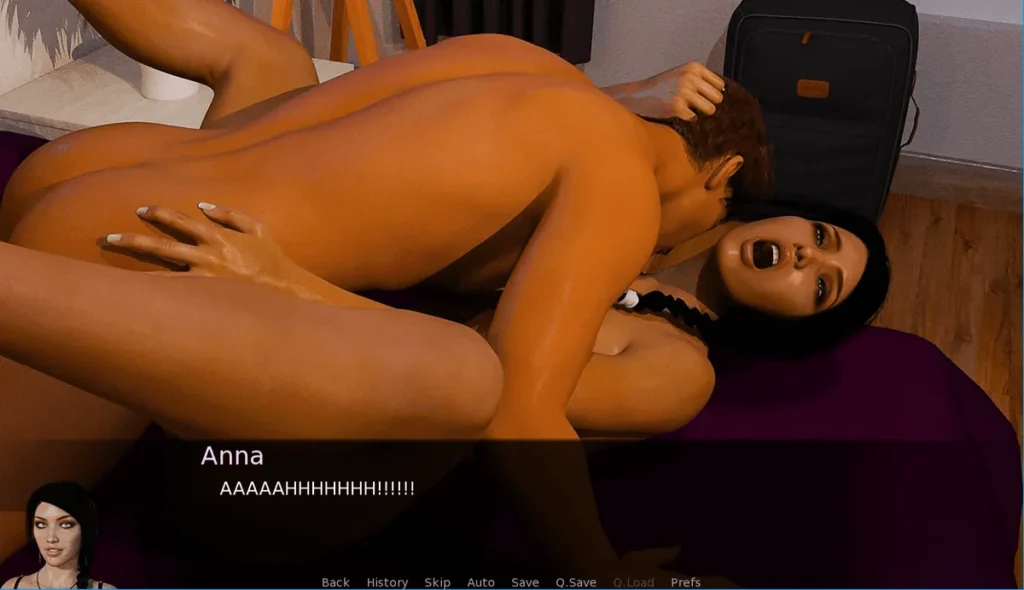
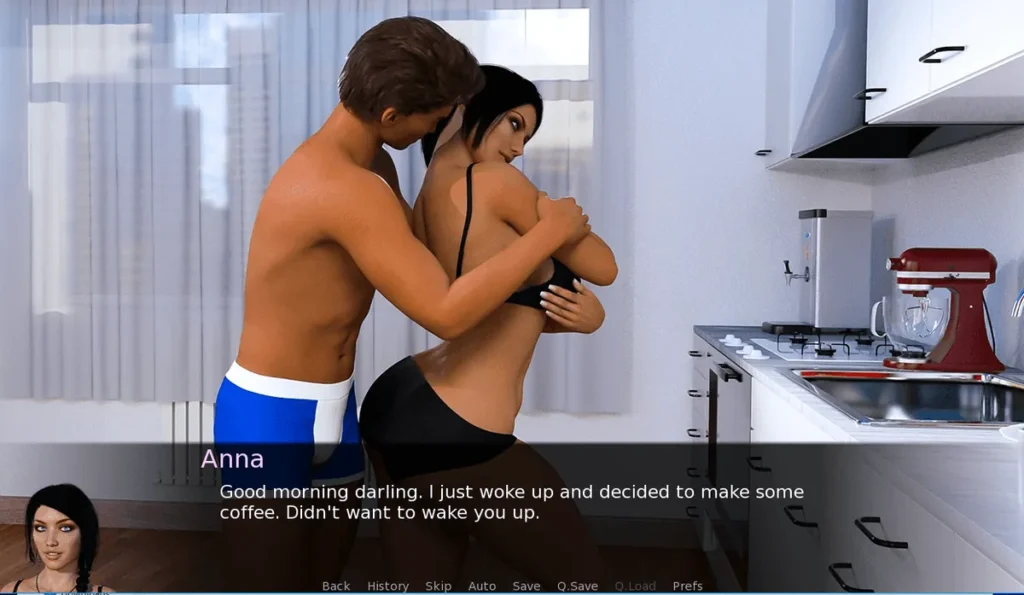
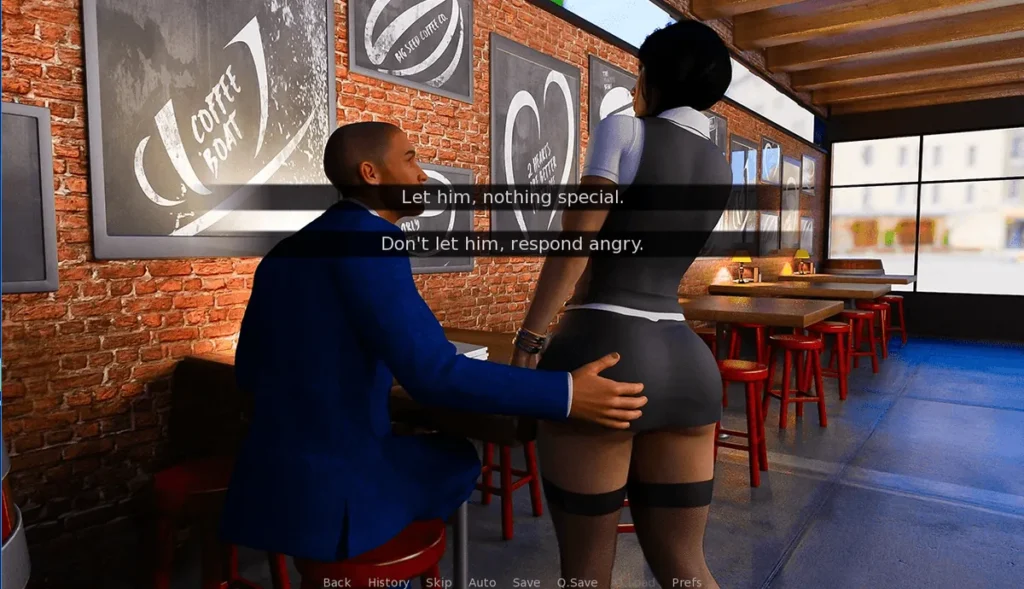
Anna Exciting Affection Chapter 1: Unofficial Ren’py Remake review
Master Player Choices, Relationship Mechanics, and Multiple Endings in This Interactive Visual Novel
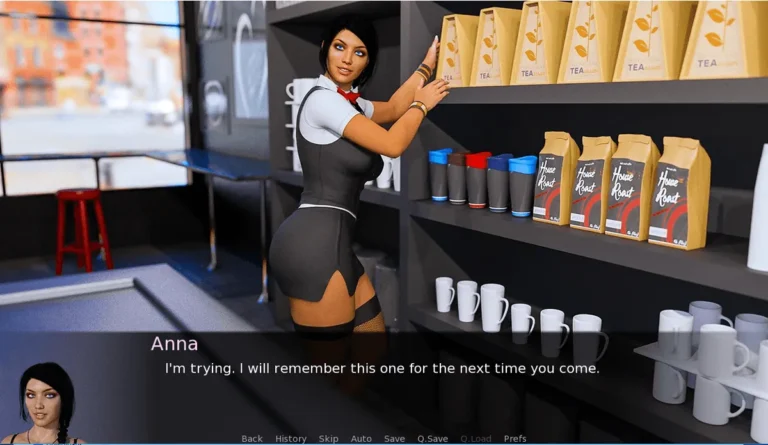
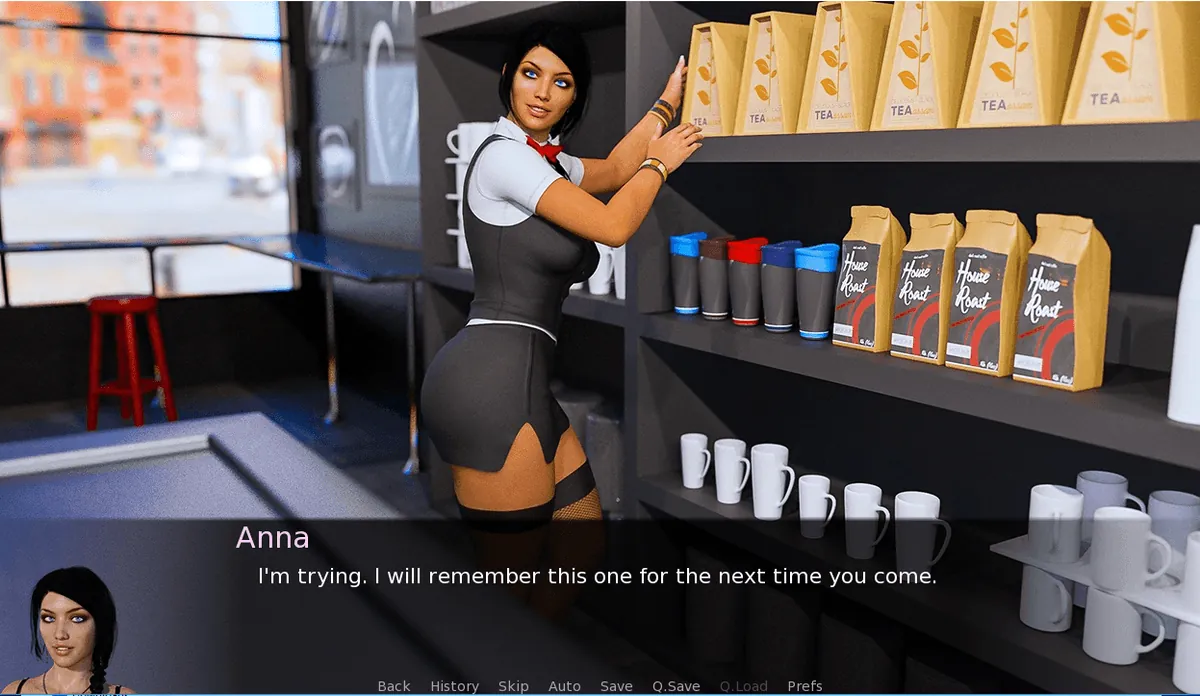
Anna Exciting Affection Chapter 1: Unofficial Ren’py Remake is a fan-created visual novel that reimagines the original RPGM game using the Ren’Py engine. This interactive narrative experience puts you in control of Anna’s journey as she navigates life changes and personal discovery. Unlike traditional linear stories, this remake emphasizes player agency through meaningful dialogue choices, action decisions, and relationship management. Whether you’re a visual novel enthusiast or new to interactive storytelling, understanding the game’s core mechanics will help you unlock hidden content, discover multiple endings, and experience the full depth of Anna’s story.
Understanding Core Gameplay Mechanics and Player Choice Systems
So, you’ve just booted up the Anna Exciting Affection Chapter 1: Unofficial Ren’py Remake and are staring at your first big decision. Heart pounding a little? 😅 Good! That’s the magic of a well-crafted visual novel. This isn’t a passive story you watch—it’s one you build with every click. Your journey with Anna and the other characters is sculpted entirely by you, through three key pillars: what you say, what you do, and who you spend time with.
Gone are the days of pixel-hunting in the original RPGM version. The Ren’Py engine streamlines the experience, focusing your power squarely on the narrative. You’re not managing an avatar’s walk cycle; you’re managing emotions, relationships, and destinies. This guide will break down the core systems that make your playthrough uniquely yours, turning those moments of uncertainty into confident, story-shaping power. Let’s dive into the mechanics that put you in the director’s chair. 🎬
How Dialogue Choices Shape Your Story
Every conversation in this remake is a fork in the road. The dialogue choices in Anna Exciting Affection are your primary tool for expression, and they go far deeper than simple “good” or “bad” responses. Think of them as defining your personality within the game world. Are you the supportive friend, the aloof observer, the playful teaser, or the blunt realist? The game is listening, and it remembers.
I learned this the hard way on my first playthrough. I thought I was being charmingly sarcastic with Anna during a study session, choosing what I deemed “witty” or teasing options. Fast forward a few in-game days, and she was confiding in another character about how she found my attitude “a bit dismissive.” Ouch! 😬 That’s the beauty of player choice consequences in a visual novel—they feel real because they are woven into the character’s perceptions, not just a visible +5 or -5 pop-up.
The system evaluates your pattern. Consistently choosing supportive options builds a reputation for kindness, unlocking gentle, heartfelt scenes and deeper confessions. A pattern of confrontational choices might lead to more dramatic, conflict-driven scenes and different revelations. It’s about crafting a consistent persona.
To help you navigate, here’s a breakdown of the common response types and what they generally signal:
| Response Type | Example Dialogue | Typical Narrative Impact |
|---|---|---|
| Supportive / Kind | “That sounds really tough. I’m here for you.” | Builds trust and deepens emotional bonds. Often leads to characters opening up more quickly. |
| Neutral / Observational | “I see. That’s an interesting way to look at it.” | Maintains the status quo. Keeps relationships steady and allows you to gather information without strong commitment. |
| Teasing / Playful | “A book on ancient poetry? Trying to impress someone?” *wink* | Can build romantic tension or friendship depending on character. Riskier—can be seen as flirting or annoyingly glib. |
| Confrontational / Blunt | “You’re being unfair, and you know it.” | Creates drama and tests relationship strength. Can lead to passionate resolutions or bitter fallout. |
Remember, context is king! A teasing line might delight Anna on a sunny afternoon but fall flat when she’s stressed about an exam. The branching narrative paths gameplay is built on these nuanced moments, so read the room before you speak.
Action Decisions and Their Consequences
While words are powerful, actions truly define you. This is where action decisions in interactive storytelling separate the casual observer from the engaged protagonist. Throughout the story, you’ll encounter critical moments where you must do something, not just say something. Do you intervene in an argument, or hang back and watch? Do you offer physical help, or give someone space?
These decisions often carry more weight than dialogue because they are public, tangible events in the story’s timeline. They become plot points that other characters reference later. Let’s talk about a concrete example that perfectly illustrates the ripple effect.
The Bookstore Choice: A Cascade of Consequences
Early in Anna Exciting Affection Chapter 1, you might find yourself in a bookstore with Anna. She’s debating between two books—a dense historical novel and a popular fantasy adventure. She asks for your opinion.
* Action Decision A: You actively recommend the fantasy book, saying, “Life’s too short for dry history! Go for the adventure.”
* Action Decision B: You suggest the historical novel, saying, “It seems more your style. The fantasy one looks a bit childish.”This seems small, right? But here’s what happened in my playthroughs:
* Choosing A led to Anna loving the book. Later, she excitedly references its characters when you’re facing a dilemma, creating a private joke and a deeper connection. It also unlocked a special dialogue option days later about sharing stories.
* Choosing B, however, made her defensive. She bought the history book but later admitted she found it boring. In a crucial scene where she’s feeling insecure, she might sarcastically ask, “What would my serious book recommender do?” That early choice had echoed, affecting her trust in your judgment during a vulnerable moment.
This is the essence of player choice consequences in a visual novel. The game’ scripting remembers these pivotal forks. Your action decisions don’t just change a meter; they alter the very anecdotes and memories the characters share, creating a living history that is unique to your save file. It makes the world feel astonishingly responsive. 🤯
The Hidden Relationship Meter System
Now, let’s pull back the curtain on the engine driving all this: the relationship meter system in Ren’py. But here’s the twist—you’ll almost never see it. Unlike games with blatant heart or approval bars, this remake employs a hidden character affinity tracking mechanic. The game is constantly scoring your interactions based on a complex web of character preferences, but it refuses to reduce friendships to a number on your screen.
Why? For immersion. In real life, you don’t have a numerical readout of your friendship level with someone. You gauge it through their tone, their willingness to share, and the look in their eyes. This game mimics that perfectly. You have to pay attention to the character affinity tracking mechanics through subtle cues:
* Does Anna smile more around you, or does her dialogue feel shorter, more formal?
* Do other characters start mentioning that “you two seem close”?
* Are you unlocking private, location-specific scenes that weren’t available before?
This system is cumulative. One “wrong” choice won’t ruin everything unless it’s monumentally terrible. The game is assessing your overall behavioral pattern—your “player persona.” Are you consistently the Protective Confidant, the Ambitious Partner, or the Free-Spirited Friend? This persona, built from hundreds of micro-decisions across both dialogue and actions, is what ultimately directs you toward one of the game’s multiple endings.
This is brilliantly facilitated by the Ren’Py engine. By removing the literal walking-around simulator aspect of the original, the remake focuses all its energy on this dense, branching narrative paths gameplay. Your “time management” becomes a pure narrative device. Choosing to “Go to the Library” versus “Visit the Park” isn’t about moving a sprite; it’s a direct narrative command that says, “I want to advance my relationship with the character who frequents this place.”
Speaking of time management character interactions, this is your strategic layer. Each day offers limited opportunities. Spending your afternoon studying with one character means missing a chance to accidentally run into another at their part-time job. These choices feed directly into the hidden relationship meter system, prioritizing which relationships you develop most deeply. It’s how you curate your own story circle.
Mastering the Anna Exciting Affection Chapter 1: Unofficial Ren’py Remake means understanding that every element is connected. Your dialogue sets the tone, your actions create the plot milestones, and your management of time and attention fills in the narrative details—all silently tracked by an intelligent affinity system. There’s no “perfect” path, only your path. So embrace the consequences, savor the subtle cues, and enjoy the profound power you have to author a story that feels genuinely, uniquely yours. Happy storytelling! ✨
Anna Exciting Affection Chapter 1: Unofficial Ren’py Remake represents a thoughtful fan recreation that enhances the original experience through streamlined gameplay and refined mechanics. The game’s strength lies in its commitment to meaningful player agency—every dialogue choice, action decision, and time management selection genuinely impacts your journey through Anna’s story. Whether you’re pursuing a completionist run to unlock every hidden scene, focusing on building relationships with specific characters, or exploring the main narrative path, the branching structure ensures each playthrough feels distinct and personal. The relationship meter system, though often hidden, creates a sophisticated framework where your cumulative behavior patterns determine which endings and story branches become available. With over 580 detailed renders and a narrative design that values player choice over linear storytelling, this remake successfully translates the original RPGM experience into an engaging visual novel format. If you’re seeking an interactive narrative where your decisions genuinely matter and multiple playthroughs reveal new layers of storytelling, this remake deserves your attention.