
Aperture
Play Aperture
Aperture Screenshots
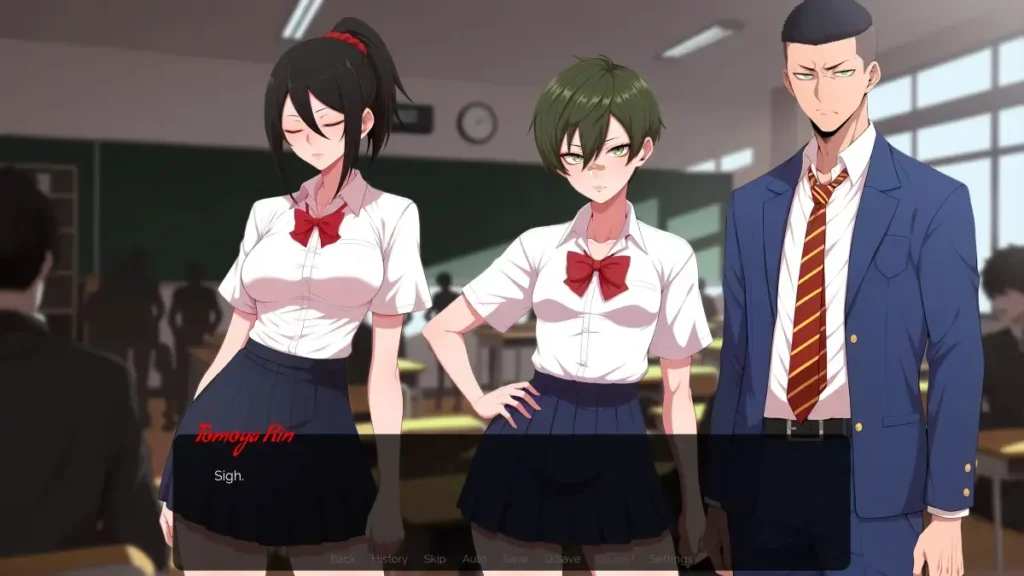
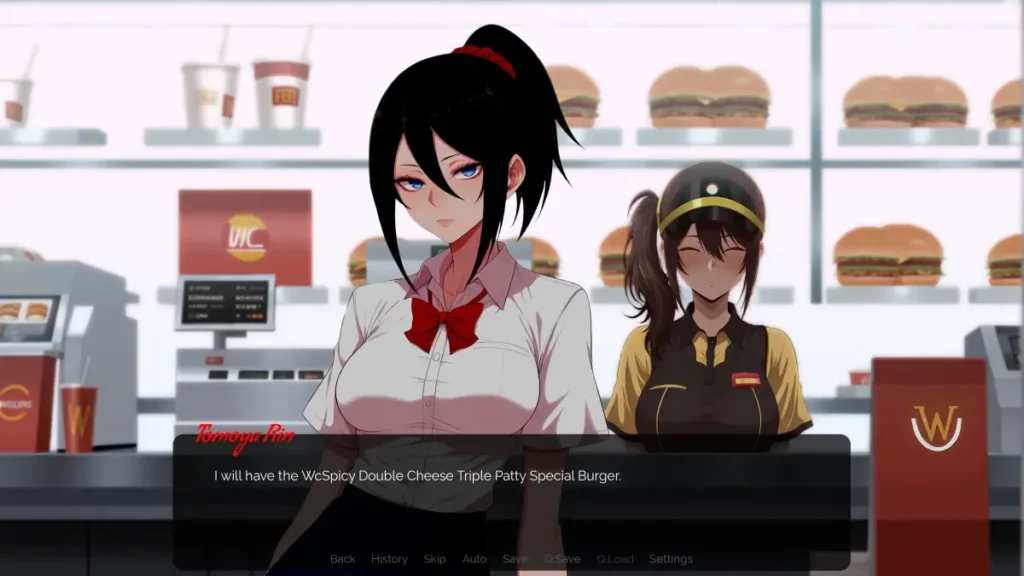
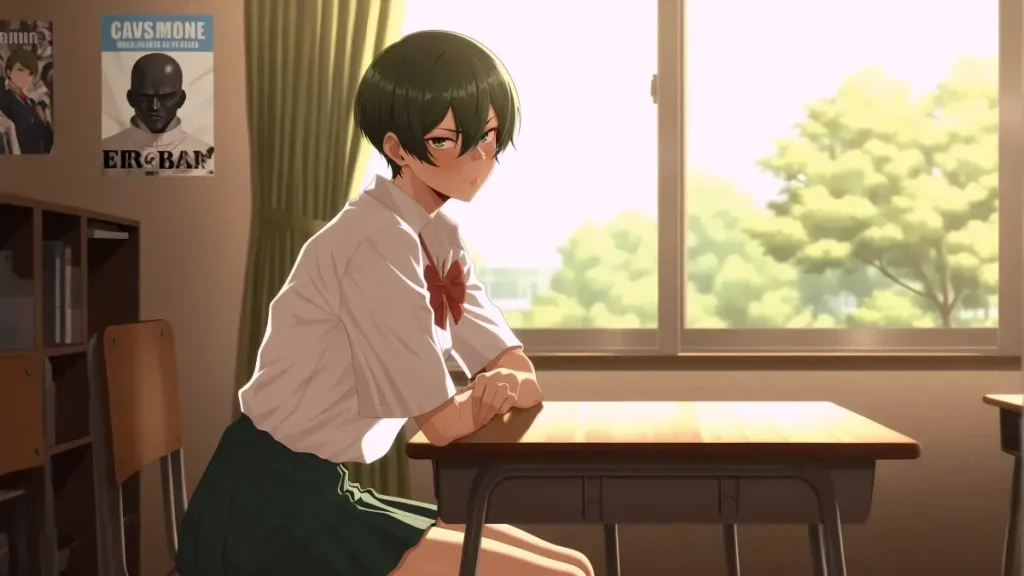
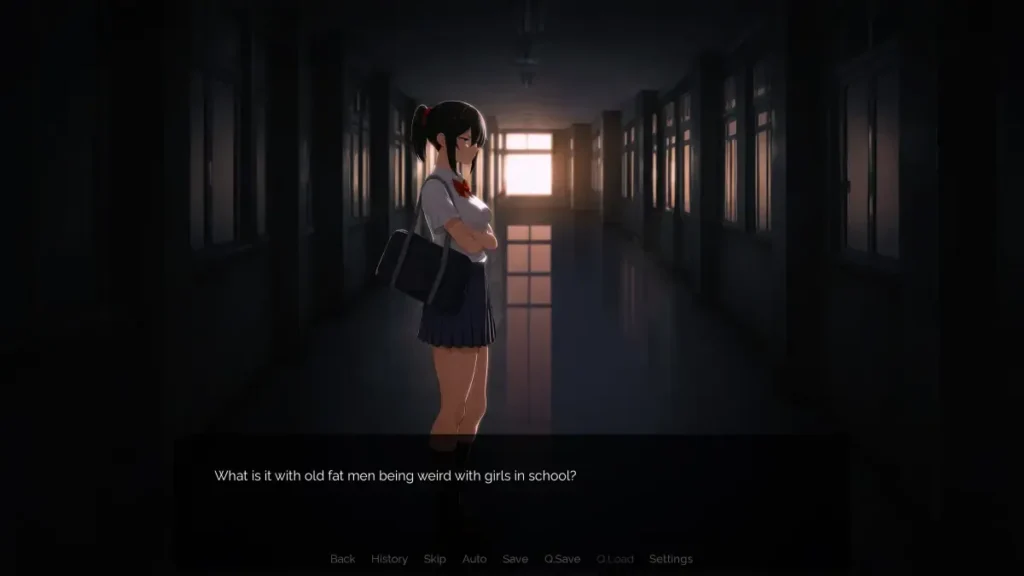


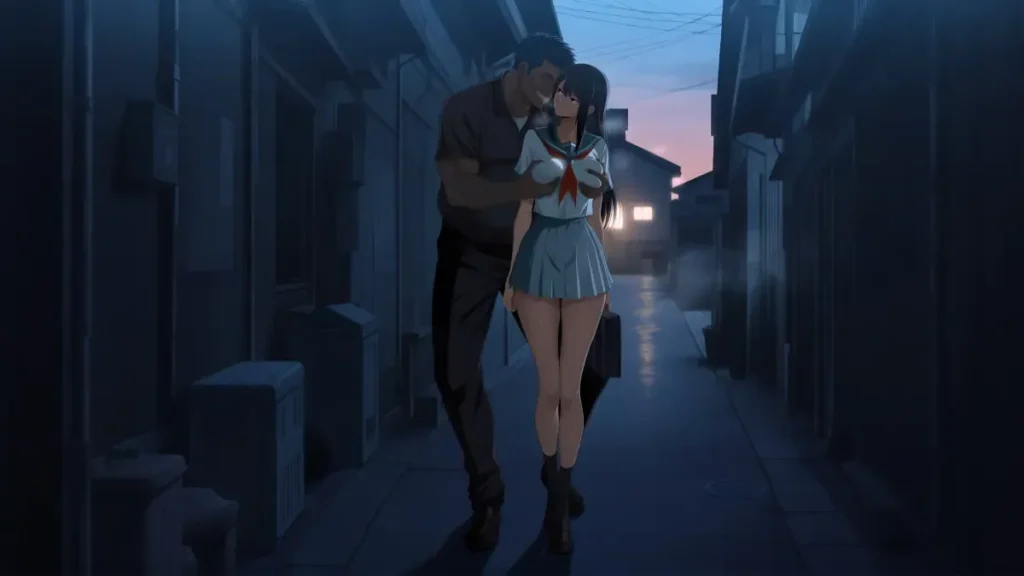
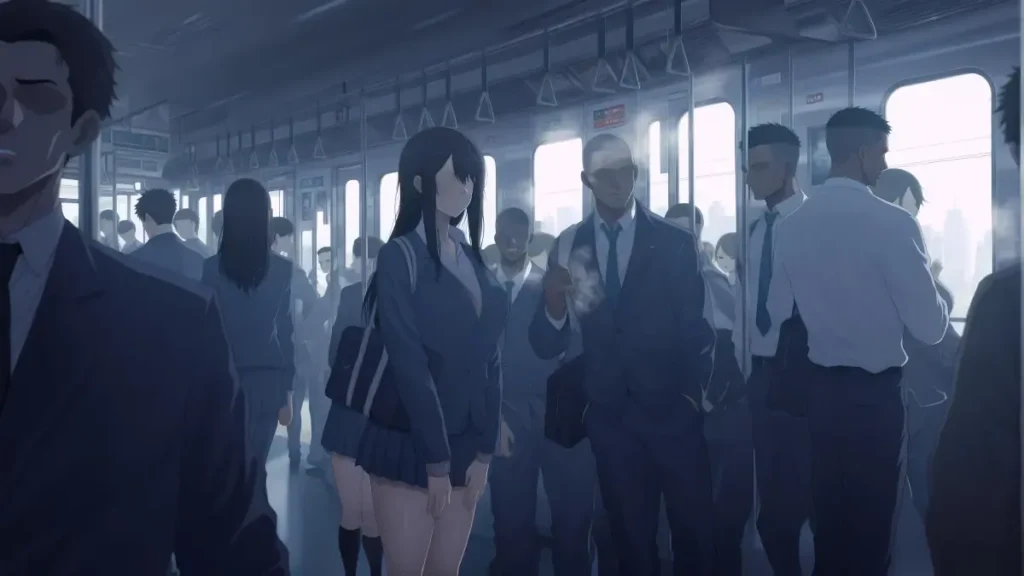
Aperture review
Dive into Hoshino Academy’s gripping mystery and steamy encounters
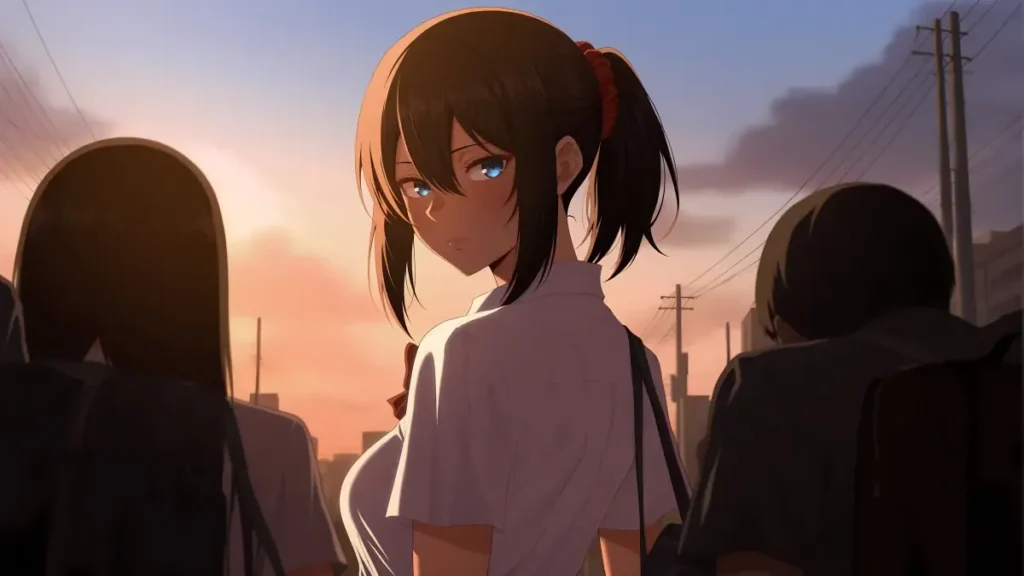
Ever stumbled into a world where every snapshot hides a scandal? That’s Aperture for you—a mesmerizing visual novel that hooks you from the first frame. As Keita, an 18-year-old newbie at Hoshino Academy, you accidentally smash Rin’s camera and get pulled into her photography club adventures. What starts as innocent photo shoots spirals into intense NTR drama, slow corruption, and pulse-pounding intimate scenes. I’ve replayed it twice, and each time the emotional twists hit harder. Ready to uncover the secrets of Aperture gameplay and its unforgettable story? Let’s explore why this game is a must-play for fans of narrative-driven adult adventures.
What Makes Aperture’s Story and Gameplay Unmissable?
Let me tell you, my first time booting up Aperture, I thought I had it all figured out. A charming visual novel about a photography club, right? A little flirting, some artistic shots… how wrong I was. 😅 What starts as a simple story at the prestigious Hoshino Academy quickly spirals into one of the most gripping and anxiety-inducing narratives I’ve experienced. If you’re asking “What is Aperture visual novel?” at its core, it’s a masterclass in building tension through a slow corruption in Aperture that will leave you genuinely conflicted and invested. This isn’t just a game; it’s an emotional journey where every choice weighs on you.
How Does the Hoshino Academy Mystery Unfold?
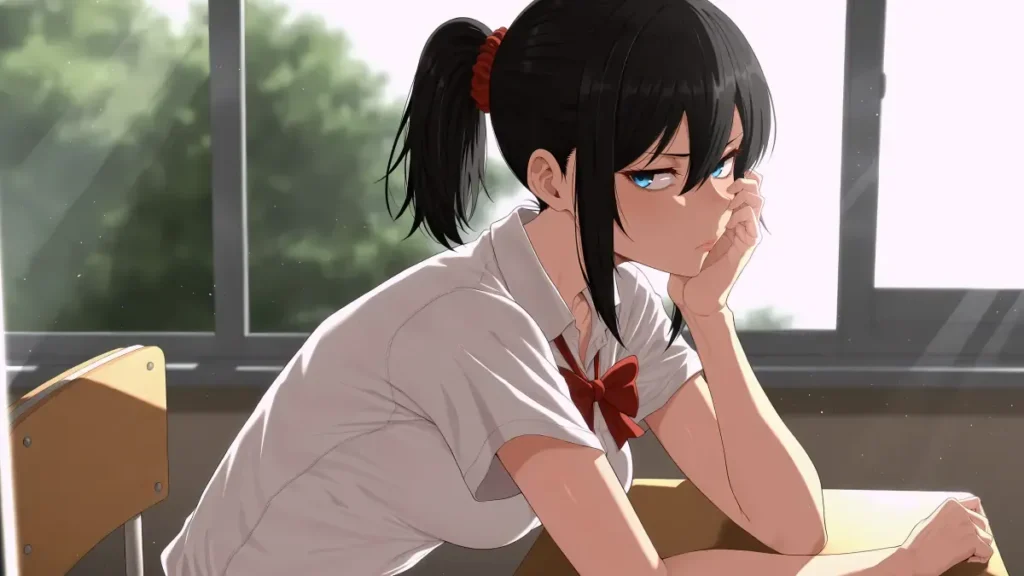
The Hoshino Academy story begins deceptively simple. You play as Keita, a new student who literally bumps into the shy, artistic Rin, accidentally breaking her camera. To make amends, you join her small, underappreciated photography club. The early hours are sweet, filled with the quiet joy of discovering hidden corners of the campus and seeing Rin slowly open up. The Aperture game excels at making you care about this connection. The photography club is a sanctuary from the academy’s intense pressure to excel in “serious” academics, a theme that becomes crucially important.
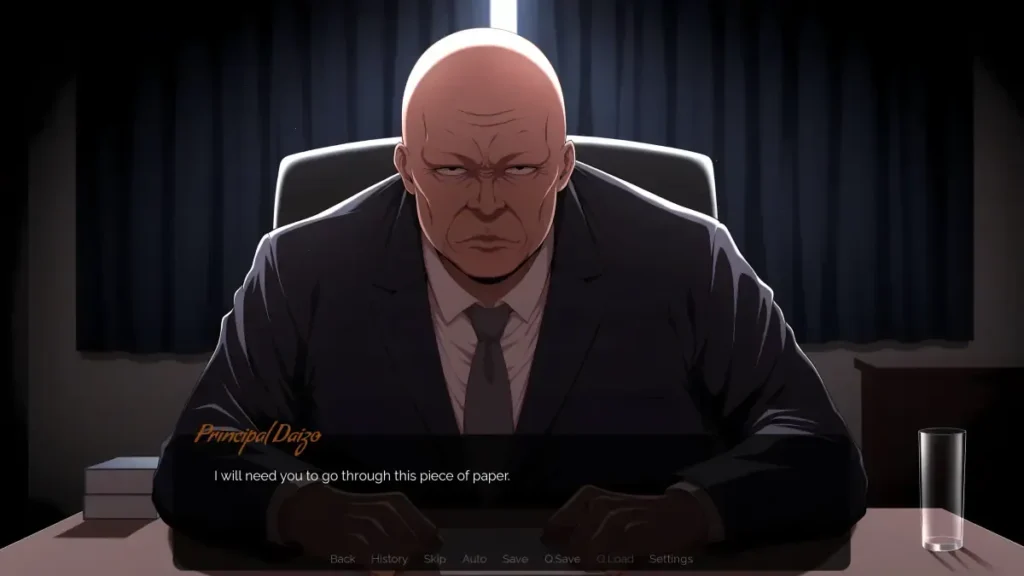
But the idyll is fragile. Enter Principal Daizo, a figure of authority who initially seems just stern. The Aperture NTR mystery is driven by his calculated manipulation. He represents the establishment’s disdain for “frivolous” arts, and he sets his sights on dismantling the club—and Rin—through a campaign of psychological pressure and exploitation. You’ll witness invitations to his office, “special assignments,” and a gradual shift in Rin’s demeanor that starts with small, worrying changes. The genius of the slow corruption in Aperture is its plausibility. It’s not a sudden flip; it’s a series of compromises, each justified by fear, academic pressure, or twisted praise, that leads Rin down a dark path. You, as Keita, are often a step behind, piecing together clues from whispered rumors, found notes, and the heartbreaking changes in the girl you’re growing close to.
Key Choices That Shape Your Emotional Journey in Aperture
The heart of the Aperture Keita gameplay is your agency. This isn’t a story you just watch; it’s one you navigate, and your decisions carve wildly different paths through the tension. The game presents you with critical junctures that test your relationship with Rin and your own morals. Do you confront her about strange behavior, potentially pushing her away? Or do you offer silent support, hoping she’ll confide in you? Do you investigate Daizo head-on, or try to protect Rin from the fallout?
I remember one pivotal choice during my playthrough: discovering a damning piece of evidence about Daizo’s intentions. I had to decide whether to immediately expose it to Rin, or to bide my time and gather more proof. I chose confrontation, thinking I was “saving” her. The result was a devastating argument where she, already entangled in Daizo’s web, saw my proof as an attack on her only path to security. It locked me out of an entire branch of intimate, comforting scenes and instead accelerated her downward spiral. It was a shocking twist that hammered home: there are no perfect heroes here, only choices with painful consequences.
To show how deep these branches go, here’s a look at two major narrative paths:
| Your Critical Choice | Outcomes & Route Direction | Key Scenes Unlocked | Emotional Impact |
|---|---|---|---|
| Protect Rin & Prioritize the Relationship | Focuses on maintaining trust. Slows the corruption but may leave you ignorant of the full threat. Can lead to a “blissful ignorance” ending or a harder fight for her soul later. | More tender, private photography sessions; intimate conversations at the club room; potential for consensual, romantic encounters earlier in the story. | High on empathy and connection, but filled with dread as you sense the outside threat growing. A more classic romantic tension. |
| Investigate & Expose the Secrets | Transforms Keita into an active investigator. Risks alienating Rin as you pry. Unlocks the darker, more explicit depths of the **Aperture NTR mystery** and the truth behind Daizo. | Hidden office eavesdropping scenes; discoveries of secret photos; witnessing explicit encounters in locations like the library stacks or principal’s office. | High on anxiety and voyeuristic horror. You see the corruption firsthand, feeling powerless to stop it, which fuels a desperate need to “solve” the mystery. |
Blending Puzzles, Photoshoots, and Steamy Encounters
The developers described the design as “using anxiety not as a shock, but as a sustained melody that makes the moments of connection—or loss—hit with incredible force.”
This philosophy is woven into every part of the Aperture game. The gameplay loop is brilliantly immersive. By day, you explore Hoshino Academy, a dynamic environment that changes with the time and story progression. You’ll engage in “photo expeditions,” which are essentially light puzzle sequences. You need to find the right angle, the perfect timing, or a hidden item to get the shot Rin wants. These aren’t just minigames; they’re how you bond with her and unlock new areas of the story.
But as the Rin corruption Aperture arc progresses, the nature of these expeditions changes. What begins as innocent shots of cherry blossoms or school architecture can, depending on your choices, evolve into something far more charged. The Aperture Keita gameplay seamlessly integrates the steamy encounters into this exploration. A photoshoot in a secluded garden might turn intimate, with scenes featuring everything from passionate blowjobs to intense doggystyle encounters against the old school gates. Later, as corruption takes hold, you might stumble upon (or seek out) scenes of cowgirl rides in empty classrooms, creampies in the chemistry lab after hours, or facials in the athletic storage room. These moments are never gratuitous; they’re narrative punctuation marks, highlighting her deepening compromise and your growing desperation.
Practical advice? Pay attention to the environment and the time of day. 🕒 If a location seems newly accessible or a character mentions a place off-hand, make a note to return later. The game rewards revisiting areas. Also, save often before major conversations! The choice triggers can be subtle, and you’ll want to explore how a different tone or question can open up a hidden route you missed the first time.
This rich blend—of thoughtful exploration, tense mystery, and emotionally charged encounters—is what makes Aperture unmissable. The Hoshino Academy story grounds its drama in relatable themes of pressure and neglect, making the personal downfall of Rin feel tragically real. The slow corruption in Aperture is a testament to patient, devastating storytelling. And with multiple major branches defined by your approach to the Aperture NTR mystery, the replay value is immense. You’ll need more than one playthrough to see all the angles, to try being the hero, the detective, or just the boy who loved a girl caught in a trap. Each path offers a completely different perspective on the tragedy, making you question what you thought you knew. Ready to see what develops?
Aperture masterfully weaves a tale of temptation and heartbreak at Hoshino Academy, where every choice as Keita pulls you deeper into Rin’s unraveling world. From tense photo shoots to explosive intimate moments, the NTR suspense and character depth make it endlessly replayable—I still get chills revisiting those branching paths. If you’re craving a visual novel that blends mystery, emotion, and raw passion, fire up Aperture today. Grab the latest version, dive in, and share your wildest ending in the comments—what path did you take with Rin?