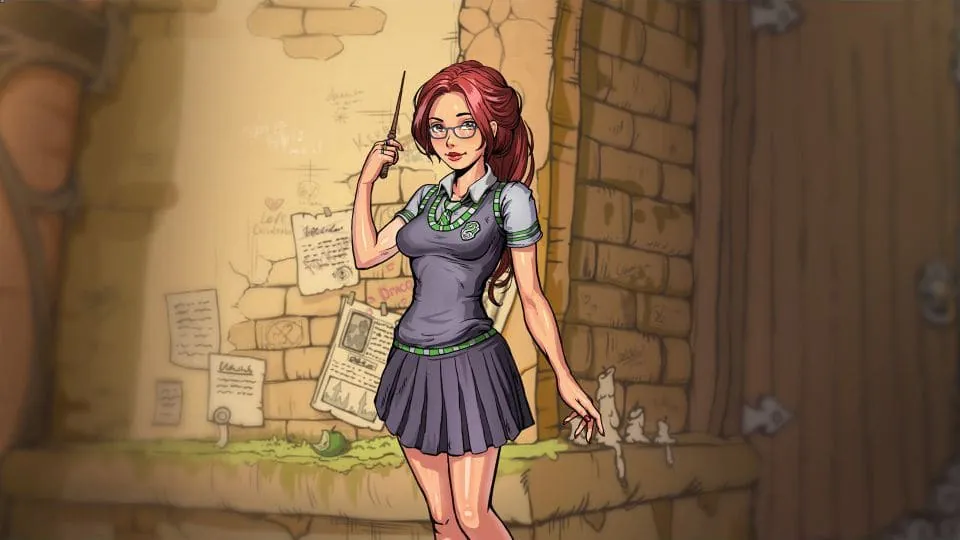
Bad Bobby Saga
Play Bad Bobby Saga
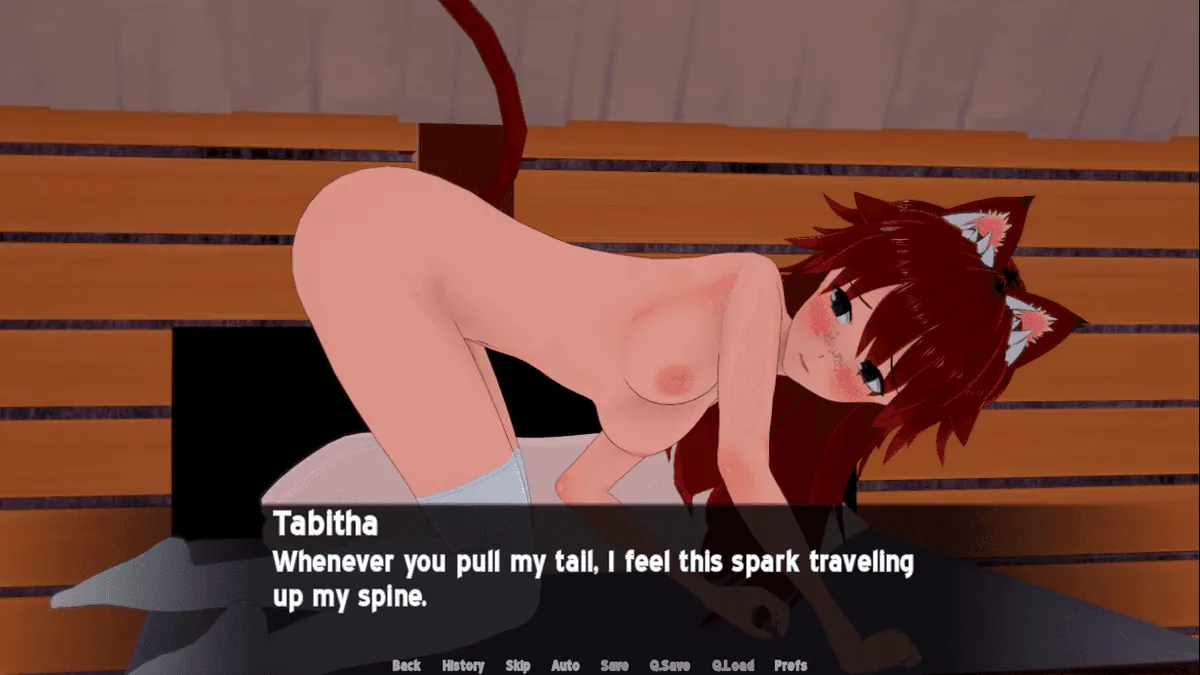
Bad Bobby Saga Screenshots











Bad Bobby Saga review
Exploring the Dark Path of Choice-Driven Adventure and Emotional Storytelling
Bad Bobby Saga stands out as a narrative-driven adventure game that challenges conventional storytelling in interactive media. Rather than guiding a protagonist from obscurity to heroism, this game places you in control of a character already wrestling with inner darkness, creating a unique tension throughout the experience. The game’s commitment to branching narratives, emotion-based dialogue systems, and multiple endings makes it a compelling choice for players seeking meaningful choices that genuinely impact their journey. Whether you’re drawn to psychological depth, complex character relationships, or puzzle-solving tied to emotional states, Bad Bobby Saga delivers an experience that rewards careful decision-making and encourages multiple playthroughs to uncover hidden storylines and alternative paths.
Understanding Bad Bobby Saga’s Core Gameplay Mechanics
Ever played one of those story games where you feel like you’re just picking from a menu of pre-written destinies? 😩 You click “Nice Guy,” and you get the nice guy ending. You click “Sarcastic,” and everyone treats you like a stand-up comedian. It can feel… disconnected. Like you’re managing a spreadsheet of outcomes, not living a life.
That’s the exact feeling the creators of Bad Bobby Saga wanted to obliterate. This isn’t just another point-and-click adventure; it’s a deep, psychological excavation where every single action is filtered through the crumbling psyche of its protagonist. The genius of the Bad Bobby Saga gameplay mechanics lies in how they tear down the wall between “gameplay” and “story.” You’re not solving puzzles for Bobby; you’re solving them as Bobby, with all his baggage, fears, and fragile emotional state in tow. Let’s pull back the curtain on how this narrative-driven adventure game makes you feel every choice in your bones.
The Dialogue and Relationship System Explained
Forget choosing what to say. In Bad Bobby Saga, you choose how to feel. 🎭 This is the revolutionary heart of the experience. Instead of selecting a full line of dialogue like “I’m sorry for your loss,” you select an emotional state: Defensive, Vulnerable, Sarcastic, or Empathetic.
Here’s why this changes everything: it’s raw, unprocessed intent. Bobby isn’t a silver-tongued hero; he’s a messed-up guy trying to communicate through a fog of trauma. When you pick “Vulnerable,” Bobby fumbles toward honesty with whatever words he can find in the moment. The actual spoken line is a surprise, a genuine expression of that chosen feeling. This makes the dialogue and relationship system feel terrifyingly authentic.
Let me give you a concrete example from my own playthrough. Early on, Bobby’s old friend Leo confronts him about a past mistake. The “conversation” is really just Leo talking at a silent, tense Bobby until the game prompts you:
* Choose Defensive: Bobby’s shoulders tense. He might snap, “What do you want from me, Leo? I paid for that already!” It’s a shield of anger.
* Choose Vulnerable: Bobby looks at the ground, his voice barely a whisper. He might stammer, “I… I think about it every day. I don’t know how to fix it.”
In my first run, I went Defensive. Leo’s character relationship meter (a subtle, ever-present aura of color around his portrait) cooled from a warm amber to a chilly blue. He shut down, and a whole subplot about him helping Bobby rebuild an old motorcycle—a metaphor for fixing their friendship—was instantly locked away. 🏍️❌
On my second try, choosing Vulnerable made Leo’s meter flare with a faint, hopeful gold. He sighed, said “Yeah… me too,” and later that chapter, the option to work on the bike together appeared. One emotional state choice in games didn’t just change a line; it rewrote a chapter of Bobby’s life and my understanding of his past.
This system means every conversation is a high-stakes negotiation of Bobby’s psyche. You’re not just managing what people think of you; you’re managing who Bobby is in that moment, which directly shapes who he can become. It’s a masterclass in psychological gameplay integration.
Environmental Puzzles and Mental State Integration
Okay, so the talking is intense. But what about the traditional “adventure game” part—the puzzles? 🧩 In most games, puzzles are fun little logic breaks from the plot. In Bad Bobby Saga, they are the plot.
The environment doesn’t just hold clues; it reflects Bobby’s mind. This is where the Bad Bobby Saga gameplay mechanics truly sing. A puzzle isn’t about combining Item A with Slot B. It’s about understanding how Bobby’s current mental filter alters his perception of the world.
Personal Insight: There’s a famous puzzle in a decaying family home. You need to find a key to a locked desk. In a standard “Calm” or “Focused” state, the room is just cluttered. But if Bobby is in a high-anxiety “Agitated” state (triggered by earlier stressful choices), the visual filter changes. Shadows deepen, sounds amplify, and your eyes are drawn to irrational details—a flickering lamp, a warped floorboard. The “solution” in that state isn’t to search drawers; it’s to calm Bobby down first. Maybe you have him sit and listen to a forgotten music box, shifting his state and making the rational key location (taped under a chair) visually “pop” into clarity.
This psychological gameplay integration means puzzles are never arbitrary. You’re not solving a riddle for the game’s sake; you’re stabilizing (or destabilizing) a character to help him see what he needs to see. The game offers puzzle difficulty modes to let you tailor this experience:
* Journey Mode simplifies puzzles and highlights interactive elements, ensuring the story flow is never blocked.
* Standard Mode offers balanced, intuitive puzzles that feel organically tied to Bobby’s state.
* Pathfinder Mode removes most assists and presents complex, multi-stage environmental puzzles that require deep observation and state management.
The environment itself becomes a character—a manifestation of memory and trauma you must learn to navigate emotionally, not just physically.
Inventory Management with Psychological Weight
Now, let’s talk about your stuff. In typical games, your inventory is a toolbox: a crowbar to open things, a key for a lock. In Bad Bobby Saga, your inventory is a memory box. 🎁 Every object has a dual existence: a physical function and a psychological weight.
That “Cigarette Lighter” isn’t just a fire source. Examining it might trigger a flashback of Bobby’s father, filling the screen with a hazy, warm memory and temporarily boosting an “Nostalgic” emotional state that opens new, softer dialogue options. Conversely, a “Hospital Wristband” might immediately apply a “Guilt” modifier, making Defensive responses more likely to spill out unless you actively fight the feeling.
You don’t just “use” an item on the world; the world uses the item on you. Carrying too many heavy, traumatic objects can literally weigh Bobby down, affecting his movement speed and making his emotional states more volatile. I found myself constantly curating my inventory not for utility, but for mental health. Do I keep this painful letter for a puzzle it might solve later, or do I discard it to give Bobby a moment’s peace, even if it makes my journey harder?
This creates a heartbreakingly beautiful loop: you explore to find items to understand the past, but those items alter your present emotional toolkit, which changes how you interact with people and spaces, which leads you to new items. It’s a constant, engaging dance of cause and effect.
Tailoring Your Experience: The Difficulty Modes 🎮
Because this fusion of story and challenge is so unique, Bad Bobby Saga wisely lets you calibrate the balance. The puzzle difficulty modes aren’t just about making puzzles harder or easier; they’re about choosing what kind of psychological journey you want.
Are you here primarily for the devastating, choice-laden narrative? Journey Mode is your friend, minimizing friction so you can immerse yourself fully in the dialogue and relationship system. Are you a classic adventure game fan who loves to scrutinize every pixel? Pathfinder Mode will demand you master the connection between Bobby’s mental state and the environment. Most players will find the elegant balance of Standard Mode perfect for a first playthrough.
Here’s a quick breakdown of how they compare:
| Mode | Puzzle Complexity | Environmental Hints | Mental State Effects on Puzzles | Ideal Player Type |
|---|---|---|---|---|
| Journey Mode | Streamlined & Narrative-Focused | High (Key objects glow) | Present but Simplified | The Storyteller, the Emotion-First Player |
| Standard Mode | Balanced & Intuitive | Moderate (Contextual cues) | Fully Integrated | The Balanced Adventurer, First-Time Players |
| Pathfinder Mode | Complex & Opaque | Low to None | Pronounced & Challenging | The Puzzle Purist, Replay Masters |
The Unbreakable Loop: How It All Fits Together
So, how do these three pillars—emotional dialogue, state-based puzzles, and psychological inventory—create that “constant engagement” I mentioned? 🤔
It creates a gameplay loop that is uniquely thoughtful and self-referential:
1. You make an emotional state choice in a conversation.
2. This alters your character relationship meters and Bobby’s core mental state.
3. That new mental state changes how you perceive and solve the next environmental puzzle.
4. Solving that puzzle reveals new story details and inventory items with psychological baggage.
5. Those items then influence the emotional states available to you in the next conversation.
You are never just playing; you are constantly analyzing, empathizing, and strategizing on both a narrative and a psychological level. The game makes you care about the mechanics because they are inseparable from the story. You’re not just asking, “What do I do next?” You’re asking, “What should Bobby feel next, and what will that feeling let him see or say?”
This is the ultimate triumph of the Bad Bobby Saga gameplay mechanics. They don’t serve the story; they are the story. They transform the player from a director choosing plot points into a companion living inside a fragile, evolving human consciousness. Every click, every combination, every chosen feeling resonates through the entire system, making your journey through this narrative-driven adventure game one of the most personally impactful experiences in modern gaming. It’s a dark path, but every step of it is profoundly, beautifully yours.
Bad Bobby Saga represents a sophisticated approach to narrative gaming that prioritizes meaningful choice, psychological depth, and player agency. The game’s core strength lies in its refusal to simplify storytelling through binary choices or superficial branching, instead weaving hundreds of micro-interactions into a cohesive narrative tapestry where every decision carries weight. From the emotion-driven dialogue system that lets players express different facets of Bobby’s personality to the environmental puzzles that reflect his mental state, every mechanic serves the overarching narrative. The multiple endings system rewards careful attention to character relationships and encourages exploration of alternative paths, offering 40+ hours of content for players willing to experience different story arcs. Whether you’re drawn to complex character dynamics, challenging puzzles, or stories that explore darker themes with nuance, Bad Bobby Saga delivers an experience that respects player intelligence and rewards engagement. For those seeking a narrative adventure that goes beyond typical story-driven games, this title stands as a compelling example of how interactive media can create meaningful, personalized storytelling experiences.