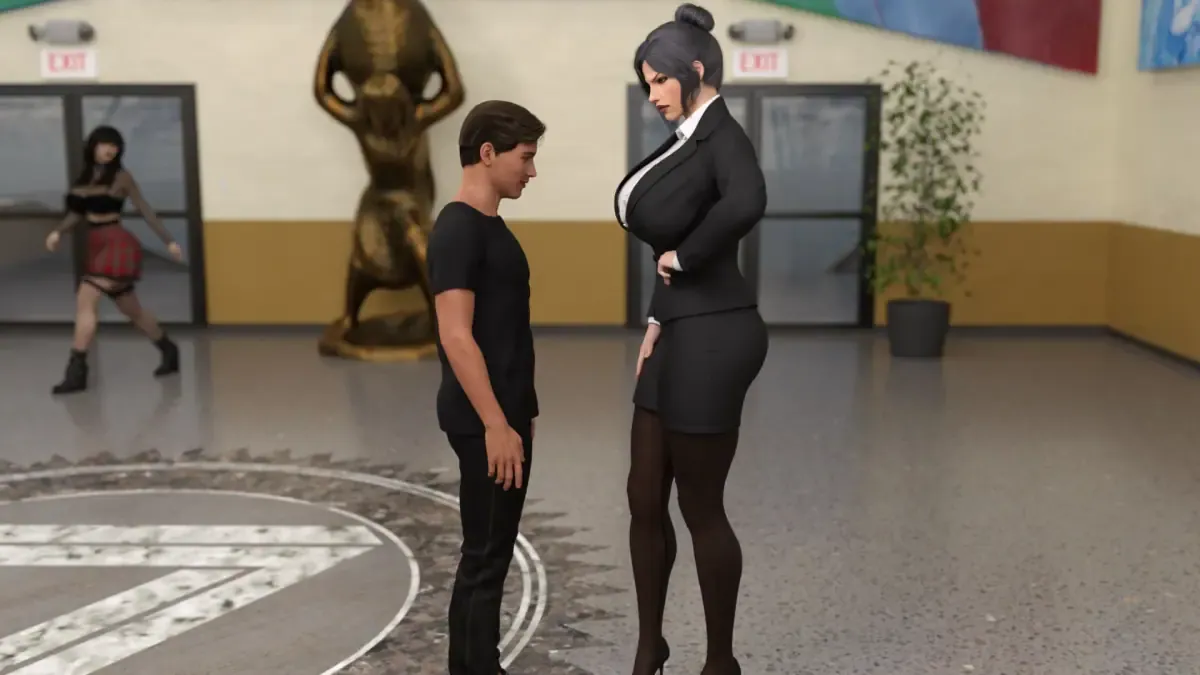
Big Brother: Another Story Rebuild
Play Big Brother: Another Story Rebuild
Big Brother: Another Story Rebuild Screenshots






Big Brother: Another Story Rebuild review
Master gameplay mechanics, character interactions, and story paths in this narrative-driven simulation
Big Brother: Another Story Rebuild is a narrative-driven simulation game that places players in the role of Max, a young man navigating life in a newly inherited mansion with his family members. The game combines strategic decision-making with character relationship management, offering multiple branching storylines that change based on player choices. With its complex opportunity and event system, skill progression mechanics, and numerous character interactions, understanding the game’s core systems is essential for maximizing your experience. This guide explores the fundamental gameplay elements, character dynamics, and strategic approaches that define Big Brother: Another Story Rebuild.
Understanding Big Brother: Another Story Rebuild Core Gameplay Systems
Ever felt completely lost in a game, pressing buttons and making choices but having no real clue how any of it connects? 🤯 I remember my first attempt at Big Brother: Another Story Rebuild gameplay. I was clicking through opportunities willy-nilly, thinking I could befriend everyone and see everything in one go. Let’s just say… that didn’t end well. I ended up locked out of entire storylines, with characters who hated my guts, and a skill set that was totally useless for the challenges I faced. It was a mess.
That’s because this isn’t a game you can just button-mash through. It’s a delicate, interwoven simulation where every tiny action ripples outward. The core experience is built on three brilliantly connected pillars: the opportunity and event system, your skill progression mechanics, and the story branching choices that define your unique path. Mastering how these systems talk to each other is the difference between floundering and truly controlling the narrative. Think of it less as playing a game and more as conducting an orchestra of consequences. 🎻 Let’s break down how it all works.
How the Opportunity and Event System Works
At the very heart of Big Brother: Another Story Rebuild lies its opportunity and event system. This isn’t just a quest log or a random event generator; it’s the game’s central nervous system. Everything you do, from the moment you start, is governed by this dynamic web of triggers, conditions, and outcomes.
So, how does it work? Imagine the game world is constantly evaluating your state: your skills, your relationships, the choices you’ve made, and even the order you made them in. Based on this ever-changing “profile,” it offers you Opportunities. These are potential actions or interactions that appear on your schedule—like a chance to talk to Eric in the kitchen, or an option to explore a certain part of the house when no one’s around. 🕵️♂️
Seizing an Opportunity almost always leads to an Event. This is where the scene plays out, dialogue occurs, and you’re presented with story branching choices. Here’s the critical part: succeeding in an Event often requires specific skill checks. Try to sweet-talk Alice without enough Communication skill? The event might end poorly, locking you out of a future opportunity with her. Fail a Stealth check while sneaking? You’ll trigger a completely different, likely confrontational, event sequence.
The magic—and the complexity—is in the connections. Events don’t exist in a vacuum. Completing “Event A” might unlock “Opportunity B” two days later, but only if you also had a positive relationship with a certain character. Skipping an opportunity isn’t just missing a scene; it can close off entire avenues of the game progression system. For instance, consistently ignoring Eric’s early friendly overtures might mean he never trusts you enough to offer a crucial piece of information later, fundamentally altering how a major story arc unfolds.
Pro Tip: The game’s calendar is your best friend. Don’t just jump at the first shiny opportunity. Sometimes, planning your skill development to prepare for a future known event is smarter than rushing into one you’re not ready for.
This system creates an incredibly reactive world. Your Big Brother Another Story Rebuild gameplay experience is uniquely yours because the sequence and success of your opportunities and events create a domino effect of decision consequences gameplay. It’s a brilliant, if sometimes daunting, way to build a narrative.
Skill Progression and Character Development
If the opportunity system is the game’s brain, then your skills are its muscles. 🏋️♂️ You can’t interact with the world effectively without developing them. Big Brother: Another Story Rebuild ties skill progression mechanics directly into every meaningful action you take. This isn’t about grinding levels; it’s about intentional practice that shapes your capabilities and, by extension, your possible character relationship paths.
The three core skills you’ll manage are:
* Stealth: Governs your ability to move unseen, eavesdrop, and access restricted areas. Crucial for gathering information or setting up certain scenarios.
* Communication: Your verbal and social acuity. Affects persuasion, negotiation, diffusing tension, and building trust during dialogues.
* Massage: A more specialized skill that represents physical technique and care. Impacts events involving physical interaction, comfort, and can be a unique avenue for building rapport.
You improve these skills primarily by using them in relevant opportunities and events. Succeeding on a Stealth check gives you Stealth experience. Choosing dialogue options that utilize Communication, even if they fail, often gives a trickle of XP. This means your playstyle naturally builds the character you’re choosing to be. If you want to be a secretive manipulator, you’ll focus on Stealth and cunning Communication, and your skill set will reflect that.
But why does this matter so much? Because the opportunity and event system is gated by these skills. That enticing opportunity to “Discreetly Investigate the Office” might have a hidden Stealth 4 requirement. If you don’t have it, you either can’t attempt it, or you’ll fail spectacularly. Your skill progression mechanics directly control which parts of the narrative you can even access, making every point of experience a strategic decision.
To see how these skills feed into your journey, here’s a breakdown:
| Skill Type | Primary Use In Gameplay | Affects Character Relationships With… | Key Opportunity Examples |
|---|---|---|---|
| Stealth | Unlocking hidden paths, gathering secrets, avoiding confrontations. | Characters who value discretion or are suspicious; failure can lead to anger and lost trust. | Eavesdropping on private conversations, planting or retrieving items unseen, exploring locked rooms. |
| Communication | Resolving conflicts, persuading characters, extracting information, building alliances. | Almost all characters, but especially those pivotal to main story arcs. Essential for deepening bonds. | Convincing a character to share a secret, mediating a dispute, choosing your side in an argument effectively. |
| Massage | Providing comfort, a unique form of interaction, unlocking intimate story beats. | Characters who respond to physical care or who have specific related storylines. Can rapidly increase closeness. | Offering to relieve a character’s stress, turning a tense moment into a caring one, specialized story events. |
The beauty is in the specialization. You likely can’t max all three skills in a single playthrough. You must choose who you want to be and which character relationship paths you want to prioritize, and let your skills tell that story. 🔐
Story Branching and Decision Consequences
This is where everything comes together: the narrative payoff. Big Brother: Another Story Rebuild is defined by its story branching choices. We’re not talking about cosmetic dialogue changes here; we’re talking about major, permanent forks in the road that define your entire save file. Your decision consequences gameplay is real, lasting, and often irreversible.
Every major interaction, especially within key events, can act as a branch point. The game doesn’t always shout “THIS IS A BIG DECISION!” Sometimes, it’s a seemingly minor choice, like whether to comfort Alice after a disagreement or give her space. But that single choice can adjust her “trust” variable just enough that, three days later, she either confides in you or shuts you out completely. This is the cascading effect at work.
The game progression system remembers everything. It tracks your alliance during arguments, your honesty in conversations, and your willingness to help (or hinder) other characters’ goals. These tracked values then feed back into the opportunity and event system, determining what new options appear on your calendar. Did you side with Eric against the group? Don’t expect friendly coffee invites from others who witnessed it. Did you successfully use your Communication skill to defend someone? They might now seek you out for advice, opening a new character relationship path.
Here are some key examples of decision points that create permanent branches:
- The Early Eric Alliance: One of the first major splits. Aggressively aligning with Eric can grant you unique information and opportunities through his resources, but it will instantly make you suspicious to other characters and may permanently close off their friendship routes. It’s a classic power vs. popularity choice.
- Handling Alice’s Confidential Information: If Alice shares a secret with you, you are immediately presented with a branching path. Do you keep her trust, or use the information for your own gain (like leveraging it in Communication checks with others)? Choosing to exploit it will rapidly build a specific type of relationship with her, often a hostile or manipulative one, and destroy any chance of a genuine bond.
- Intervening in Conflicts: When two characters argue, your intervention—or lack thereof—is a major branch. You can pick a side (boosting that relationship, damaging the other), try to mediate (requires high Communication, can appease both or fail and anger both), or walk away (which is itself a choice that lowers your involvement with both). Each outcome seeds different future events.
- Skill-Based Event Resolution: How you choose to resolve an event is itself a branch. Solving a puzzle through Stealth (sneaking a key) vs. Communication (talking your way past) vs. Massage (distracting someone) can lead you to the same location, but the story context and consequences are entirely different. The game remembers how you did things, not just that you did them.
The permanence is what makes your choices have weight. You can’t rewind a day with a quick save to try a different story branching choice without losing significant progress. The game encourages you to live with your decisions, adding a layer of tension and realism to the Big Brother Another Story Rebuild gameplay. It turns each playthrough into a distinct experiment: “What if I was the manipulator?” or “What if I was the genuine peacemaker?” The answers lead to wildly different stories.
Ultimately, mastering Big Brother: Another Story Rebuild is about understanding this symphony of systems. You nurture skills to unlock opportunities, you navigate events to make meaningful choices, and those choices branch the story, which in turn determines what new skills you’ll need and what opportunities will arise. It’s a breathtakingly coherent loop. Once you stop seeing isolated mechanics and start seeing the connections, you move from being a passenger to the pilot of your own truly unique, often thrilling, and deeply consequential narrative experience. ✨ Your next playthrough isn’t just about making different choices; it’s about exploring a fundamentally different version of the story world you thought you knew.
Big Brother: Another Story Rebuild offers a richly layered gaming experience built on interconnected systems of opportunities, events, and character relationships. Success in the game requires understanding how your choices create permanent story branches and affect character dynamics across multiple interactions. By mastering the skill progression system, carefully managing relationships with key characters, and leveraging available mods and quality-of-life features, players can craft unique narratives that reflect their preferred playstyle. Whether you’re exploring friendship paths with characters like Eric, managing complex family dynamics, or experimenting with different dialogue choices using time rollback features, the game rewards thoughtful decision-making and strategic planning. Start your journey by understanding the core systems, then gradually explore the deeper character interactions and branching storylines that make Big Brother: Another Story Rebuild a compelling narrative experience.