Desert Stalker
Play Desert Stalker
Desert Stalker Screenshots
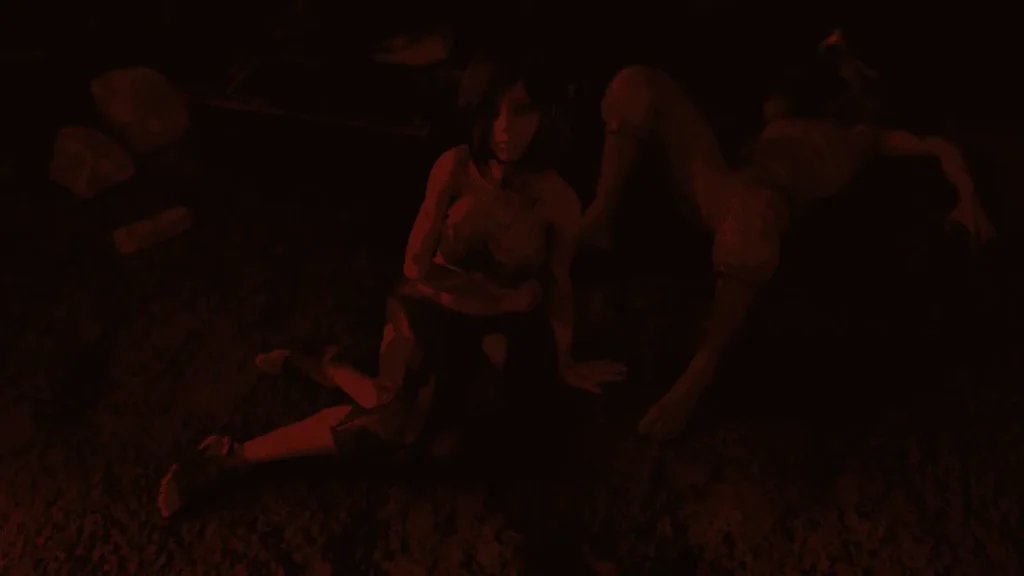


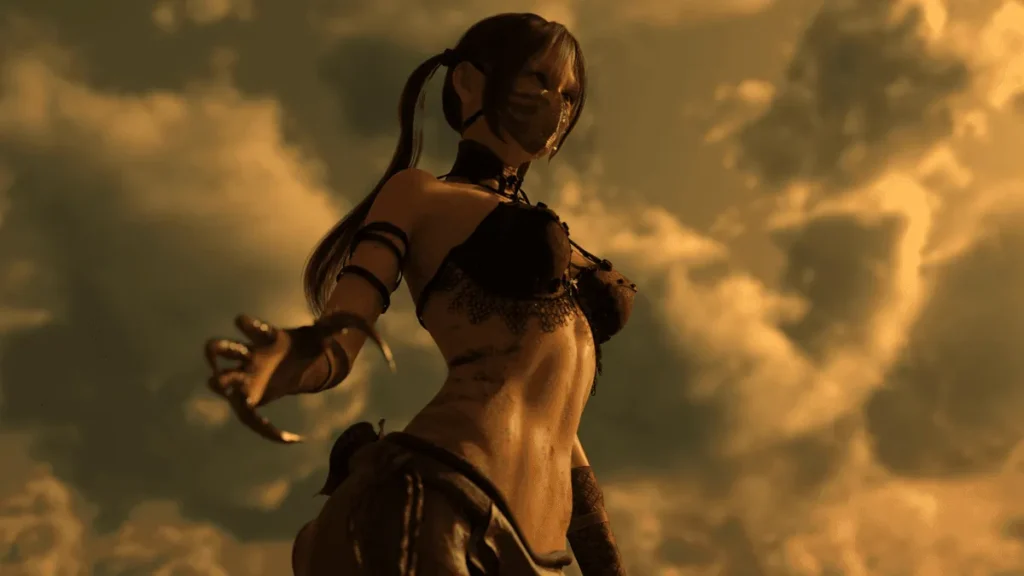
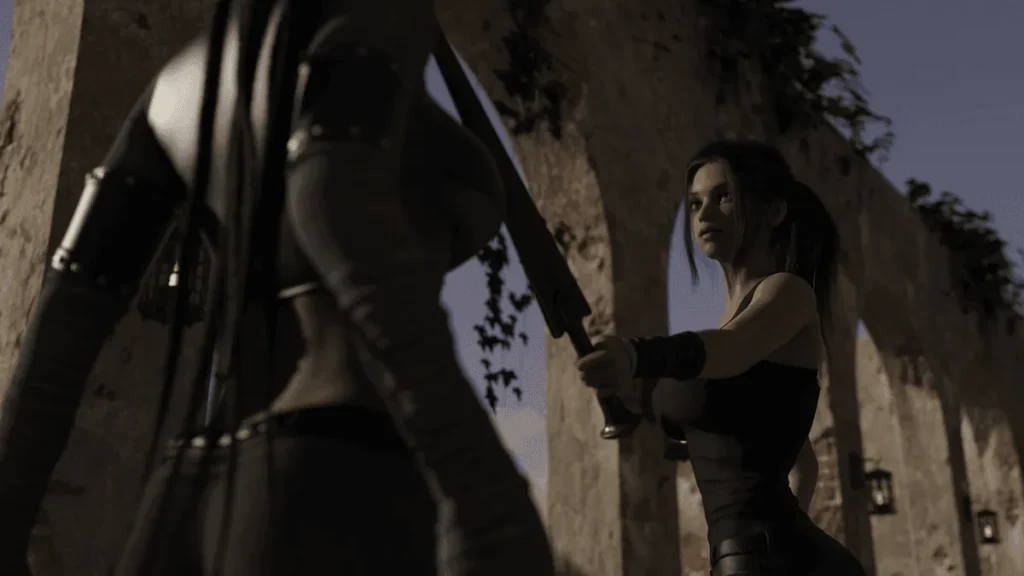


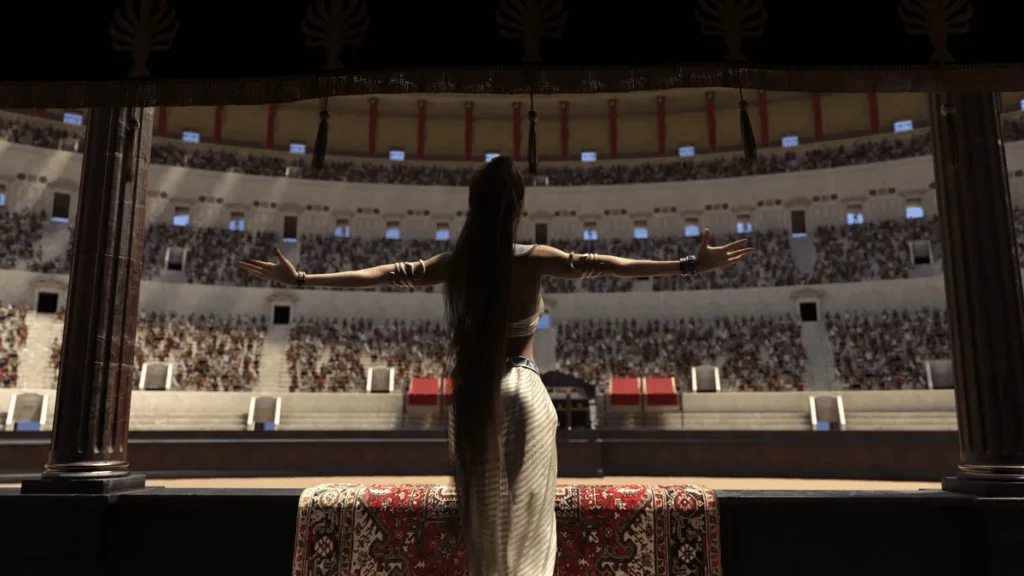
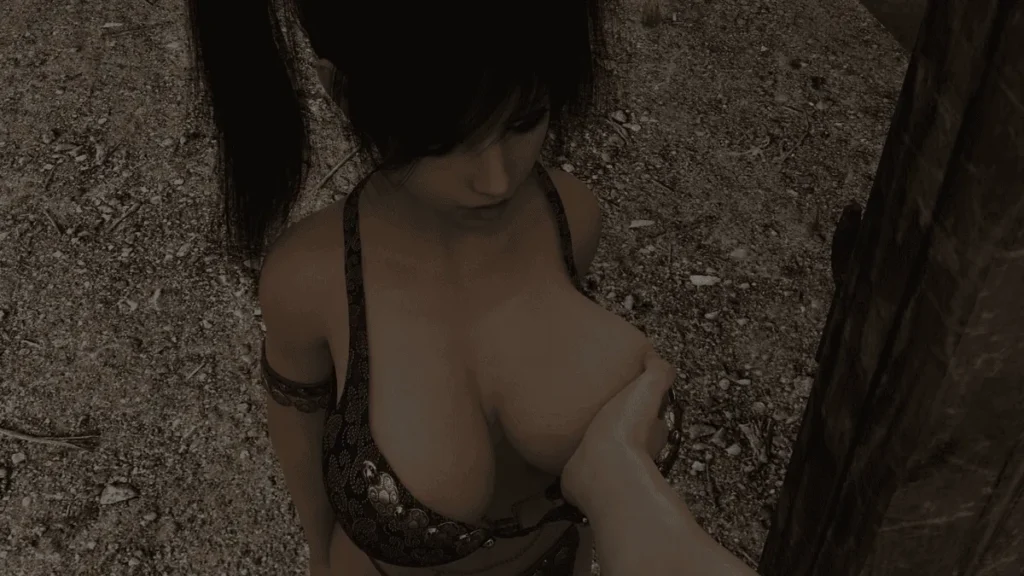
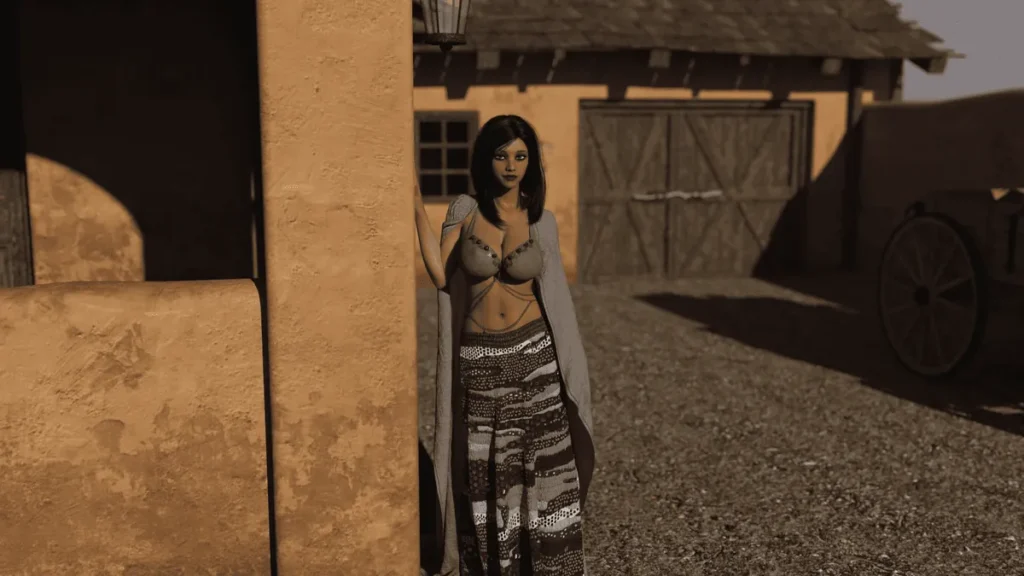

Desert Stalker review
Dive into the gritty world of artifact hunting, choices, and intimate encounters in Egypt’s ruins
Imagine scavenging the sun-baked ruins of post-apocalyptic Egypt, unearthing artifacts that could rewrite history while navigating a world of tough choices and steamy relationships. That’s the thrill of Desert Stalker, the adult visual novel RPG that’s hooked players with its gritty dystopian vibe and player-driven story. As a seasoned antiquity scavenger, your decisions shape everything—from dominating the wasteland to building a personal harem. I’ve sunk hours into it, and let me tell you, the mix of linear tales, free-roam quests, and cinematic scenes makes every playthrough addictive. Ready to explore this erotic adventure?
What Makes Desert Stalker a Must-Play RPG?
I still remember the first time I booted up Desert Stalker. 🏜️ I was scrolling through recommendations, my usual AAA blockbusters feeling a bit too polished, a bit too predictable. I craved something with teeth, something that felt lived-in. What I found was a revelation—a game that doesn’t just tell you a story but throws you into the heart of its sun-bleached, sand-scoured world and says, “Survive. Thrive. Choose.” If you’re asking yourself what is Desert Stalker, let me put it simply: it’s one of the most gripping, atmospheric, and player-driven visual novel RPG experiences I’ve had in years.
You step into the worn boots of an antiquity scavenger, a hunter of relics in a future where the pyramids watch over a shattered world. This isn’t the Egypt of history books; it’s a post-apocalyptic Egypt where survival is a currency and ancient artifacts hold the key to power. The Desert Stalker gameplay loop is intoxicating—a blend of tense exploration, consequential dialogue, and narrative branches that genuinely respond to your will. This game’s lore is brilliantly gritty, and its heart beats in the Desert Stalker choices you make, which ripple out to affect everything from faction politics to deeply personal relationships.
How Does the Post-Apocalyptic Egypt Setting Pull You In?
The genius of Desert Stalker starts with its setting. We’ve seen post-apocalyptic worlds before—gray, crumbling cities, zombie-infested forests. But a post-apocalyptic Egypt? That’s a masterstroke. 🐫 The game trades radioactive gloom for relentless, scorching sun. The ruins aren’t of skyscrapers, but of ancient temples and tombs, now repurposed as shelters or picked clean by scavengers. The atmosphere is thick with the ghosts of pharaohs and the desperation of those who came after the fall.
As you explore, the sound design immerses you completely. The whisper of shifting sands, the groan of a rusted metal door in an old research facility, the haunting, melodic score that plays as you gaze at a star-filled desert night—it all builds a world that feels both awe-inspiring and deeply lonely. You’re not just playing in this world; you’re trying to carve out a place in it. Your home base, a customizable living space, becomes a crucial refuge from the harshness outside, a place where the story’s more intimate moments can unfold. This unique post-apocalyptic Egypt backdrop isn’t just scenery; it’s a character that defines every interaction and every perilous journey you undertake as an antiquity scavenger.
Core Gameplay: Choices, Quests, and Free-Roam Freedom
At its core, Desert Stalker gameplay is a powerful hybrid. It follows a strong, linear narrative that guides you through a compelling main story, but it’s wonderfully punctuated by periods of free-roam quests in Desert Stalker. This structure is perfect. It gives you direction and purpose but also hands you the keys to explore side stories, build relationships, and tackle optional objectives that make the world feel vast and alive.
The true soul of the experience, however, lies in its Desert Stalker choices. This is a visual novel RPG where your decisions carry serious weight. We’re not talking about picking a “good” or “evil” dialogue option. We’re talking about nuanced decisions that affect:
* Story Branches: Major plot points can diverge dramatically based on your alliances, your discoveries, and how you treat key characters.
* Character Relationships: Every interaction builds or erodes trust, leading to different narrative paths and endings with the game’s distinct, well-written cast.
* World State: The fate of settlements and factions can hinge on the artifacts you recover and the deals you make.
Here’s a quick list of what makes the Desert Stalker gameplay so engaging:
* Meaningful Decision Branches that lock and unlock content based on your playstyle.
* Relationship Building that can range from forging deep bonds to pursuing a more collection-focused path with multiple characters.
* Robust Content Filters that let you customize the tone of your adventure, ensuring the experience matches your comfort level.
* A mix of cinematic story sequences and exploratory free-roam quests in Desert Stalker.
Let me give you a taste through a sample quest. Early on, you might hear rumors in a dusty outpost about a pre-collapse “Vault” hidden in a canyon. This triggers a free-roam quests Desert Stalker opportunity. You’ll need to:
1. Gather clues from locals (choices here affect their future willingness to help you).
2. Navigate the treacherous canyon, managing your supplies.
3. Use your wits (or force) to solve an environmental puzzle guarding the vault.
4. Inside, you’ll face the ultimate Desert Stalker choices: Do you take the artifact for your own gain, share it with a struggling community for their protection, or trade it to a powerful faction for future influence? Each decision writes a different future for that region.
Customization Options for Your Perfect Playthrough
One of the most respectful and clever aspects of Desert Stalker is how it hands you the reins to define your own adventure. 🎮 This goes far beyond simple difficulty settings. Right from the new game screen, you’re presented with options that tailor the world to your preferences.
The most significant tool is the content filter. This isn’t just an on/off switch; it’s a granular system that allows you to dial in the exact tone you want. You can opt for a purely gritty survival adventure, focus on the narrative and exploration, or enable additional layers of adult character interaction. This means two players can have vastly different experiences that are both “complete.” The game acknowledges that players have different tastes and empowers you to create the version of this post-apocalyptic Egypt you most want to inhabit.
This philosophy of customization extends into your narrative path. The game supports, but never forces, various playstyles. You might play as a lone-wolf antiquity scavenger, focused solely on survival and profit. Or, you might engage more deeply with the cast, exploring complex character arcs. The world reacts accordingly, making each playthrough feel unique.
Pro Tip: When you start a new game, take a moment in the settings. For the full, intended experience, I recommend enabling all content filters on your first playthrough. This gives you access to the complete narrative tapestry the developers wove. You can always replay with different settings later!
To help you visualize how these choices shape your journey, here’s a breakdown of common playstyles:
| Playstyle Focus | Key Choices & Actions | Resulting Game Experience |
|---|---|---|
| The Gritty Survivor | Prioritize resource-heavy decisions, be wary of strangers, keep artifacts for personal power. | A tense, isolationist story where trust is scarce and survival is the only victory. |
| The Community Builder | Share resources, help settlements, use artifacts for the common good. | A narrative about legacy and rebuilding, with stronger ally support but greater responsibility. |
| The Explorer of Bonds | Invest time in character-specific quests, choose dialogue that deepens relationships. | A character-driven story with rich interpersonal drama and multiple unique endings. |
A piece of practical, actionable advice I wish I’d known sooner: many of the game’s more intense or consequential scenes can be “disarmed” through prior choices and character development. Building rapport, choosing peaceful solutions when possible, and truly listening to characters can open up alternative resolutions that aren’t immediately obvious. It pays to be thoughtful, not just quick.
And a personal insight? This is a game best savored. I’ve had some of my most immersive sessions just relaxing in my living room after hours, the detailed visuals and atmospheric sound pulling me in. It’s the kind of experience that sparks curiosity, even from household members who peek over and ask, “What are you playing? That looks different.”
Why This Stands Tall
When I step back and compare, it’s clear Desert Stalker accomplishes what many bigger-budget titles struggle with: consistent, compelling writing and a clear directorial vision. The scenes, whether action-packed or quietly dramatic, are staged with purpose. The character models and aesthetics have a distinct, polished style that players rightly praise in reviews—they feel cohesive and expressive, adding to the world’s believability.
The Desert Stalker gameplay is fluent, with systems that support the story rather than complicate it. It understands that in a visual novel RPG, the player’s agency is sacred. Your journey as an antiquity scavenger in this ravaged post-apocalyptic Egypt will stick with you because you didn’t just witness it—you authored it, one hard, shimmering choice at a time.
Frequently Asked Questions
Q: How do I start a “full experience” playthrough of Desert Stalker?
A: On the new game screen, navigate to the settings or content menu. Ensure all optional content filters are enabled. This will give you access to every narrative branch and scene the developers created, providing the most complete understanding of the story and world.
Q: Is the game just a linear story, or is there exploration?
A: It’s a brilliant mix! The main story provides a strong through-line, but you’ll frequently have access to a free-roam map where you can undertake side quests, explore locations for resources and secrets, and initiate character-specific events at your own pace.
Q: Can I avoid conflict and intimate scenes if I want to?
A: Absolutely. The built-in content filters are very comprehensive. You can customize the game to minimize or alter these elements, allowing you to focus on the adventure, exploration, and core narrative of surviving as an antiquity scavenger.
Q: How impactful are the choices really?
A: Extremely. Choices affect immediate dialogue, long-term character relationships (locking or unlocking entire story arcs), the fate of locations and factions, and ultimately, which ending you achieve. Multiple playthroughs yield significantly different stories.
Q: What’s the best way to approach the game for the first time?
A: Go in blind and role-play. Don’t try to meta-game or find the “best” path. Make decisions that feel right for your character. Save often in different slots, and embrace the consequences. That’s where the most authentic and memorable Desert Stalker experience is found.
Desert Stalker stands out as a gripping blend of story-driven choices, immersive post-apocalyptic exploration, and deeply personal relationships that keep you coming back for more. From unearthing game-changing artifacts to shaping your harem and wasteland legacy, every decision feels meaningful and exciting. I’ve replayed it multiple times, tweaking paths for new outcomes, and it never gets old. If you’re into adult RPGs with real stakes and steamy twists, grab it now—start your scavenger journey today and see how far you’ll dominate the dunes. Your epic tale awaits!