Kingdom of Deception
Play Kingdom of Deception
Kingdom of Deception Screenshots
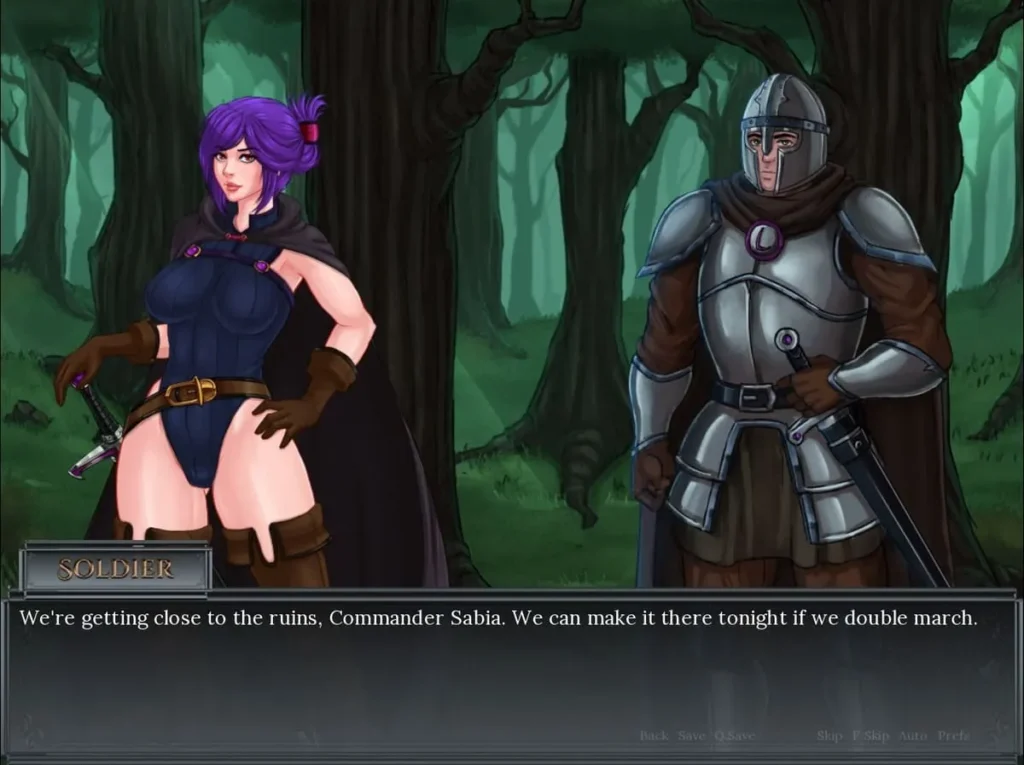
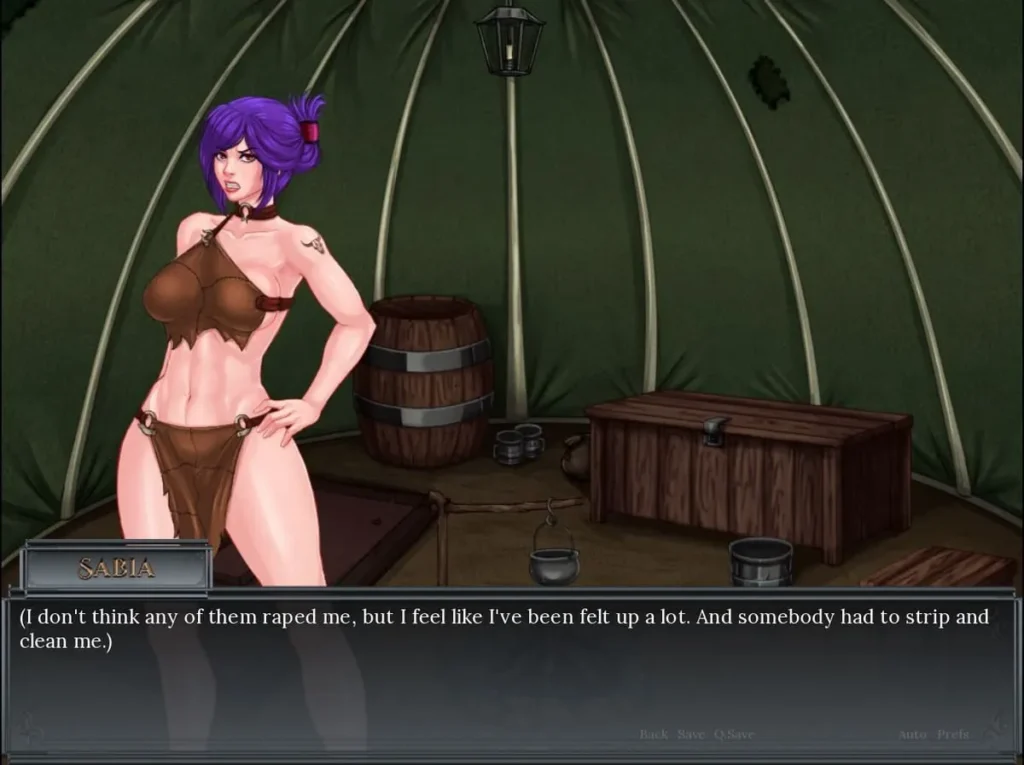
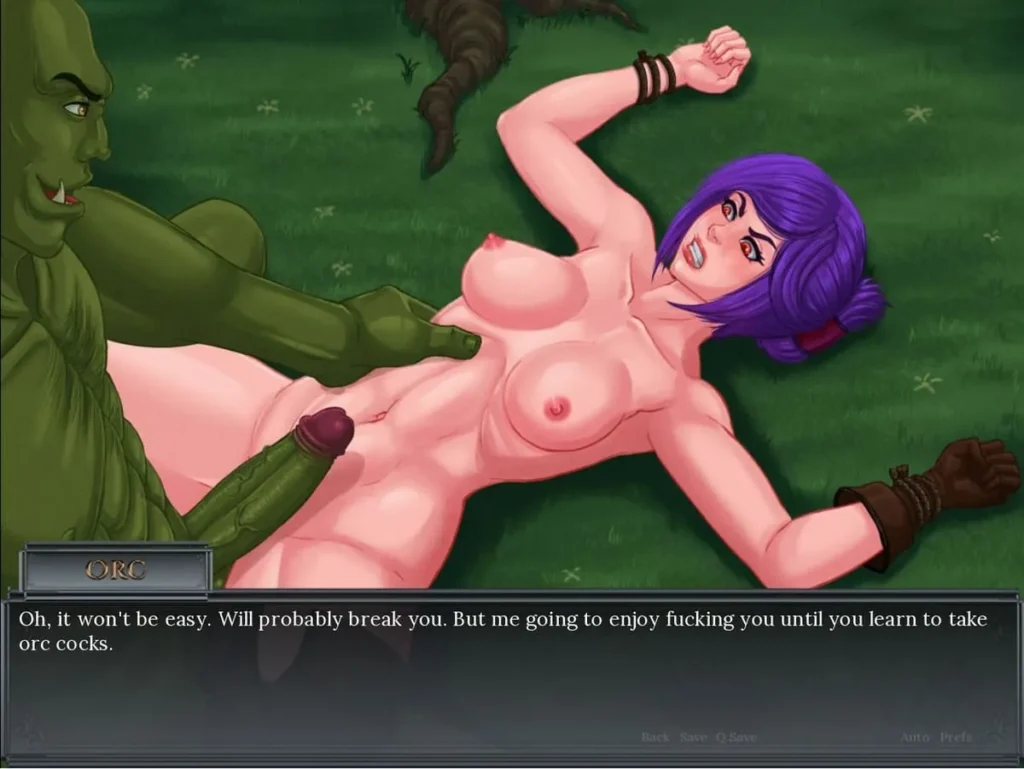
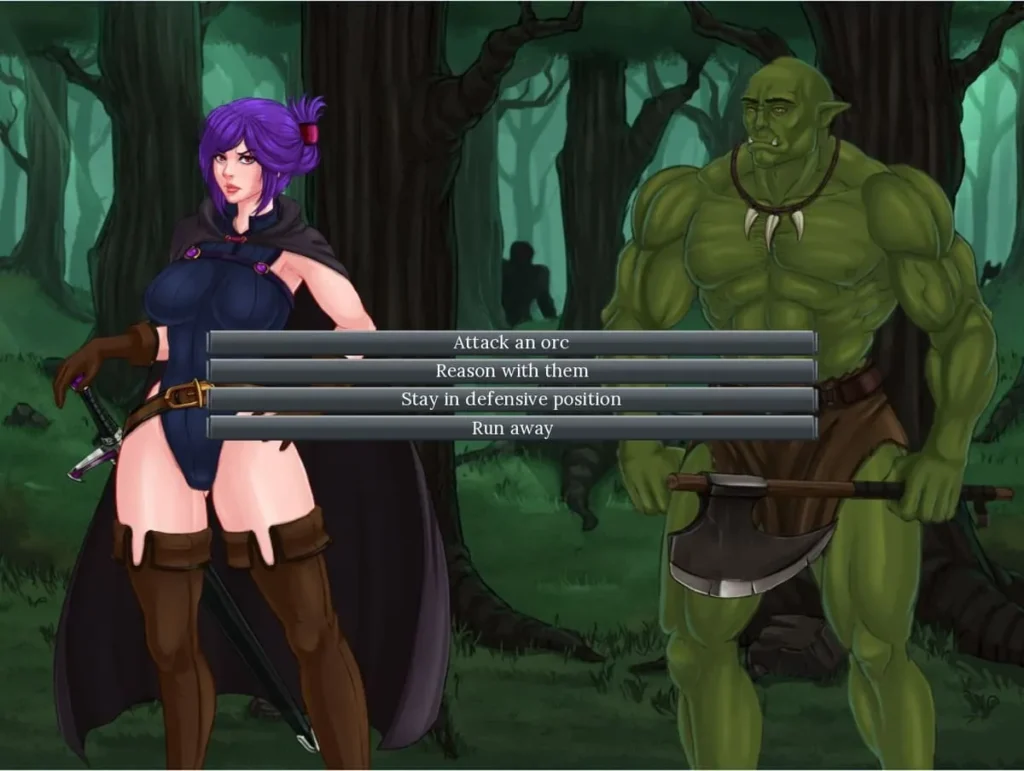
Kingdom of Deception review
Mechanics, story paths, and practical tips for getting the most from Kingdom of Deception
Kingdom of Deception is a dark fantasy game that blends tactical battles with branching story paths and complex character choices. If you have seen screenshots or brief descriptions and wondered how the systems really work in practice, this guide walks you through the core mechanics, the tone of the story, and the kind of player experience you can expect. Drawing on many hours of play and experimentation, I will share practical tips, personal impressions of key routes, and advice to help you decide how to approach your first run through Kingdom of Deception.
What Is Kingdom of Deception and How Does It Play?
So, you’ve heard the name Kingdom of Deception floating around in niche gaming circles, and you’re wondering what all the fuss is about. Is it just another fantasy RPG? 🤔 Let me tell you, it’s anything but. My first dive into this world was equal parts fascination and panic, a feeling I suspect many new players will share. This Kingdom of Deception overview will pull back the curtain on a game that delights in subverting expectations and demanding your full attention.
Think of a classic dark fantasy tale, then strip away any sense of heroic plot armor. That’s the essence of what is Kingdom of Deception. It’s a gritty, narrative-driven experience where every choice carries weight, and survival is a hard-fought prize, not a given.
Kingdom of Deception overview: setting, tone, and main premise
At its heart, Kingdom of Deception is a story of survival in a world that’s actively hostile. You aren’t a prophesied chosen one; you’re someone caught in the grinding gears of a power struggle between rival factions in a crumbling realm. The main premise is brilliantly straightforward yet deeply engaging: you must navigate this treacherous landscape, regain a semblance of control over your fate, and maybe—just maybe—come out on top. The keyword here is “maybe.” This adult fantasy game doesn’t guarantee a happy ending, and that’s a big part of its appeal.
The tone is unapologetically mature. We’re talking dark fantasy strategy game vibes through and through. Expect moral compromises, bleak circumstances, and consequences that range from subtly inconvenient to brutally catastrophic. 😈 It’s not all unrelenting gloom, though. The writing is sharp, and you’ll find moments of dark humor that feel earned, often arising from the absurdity of your desperate situation. It never feels like it’s trying to be “edgy” for its own sake; the maturity comes from a genuine commitment to its world and characters.
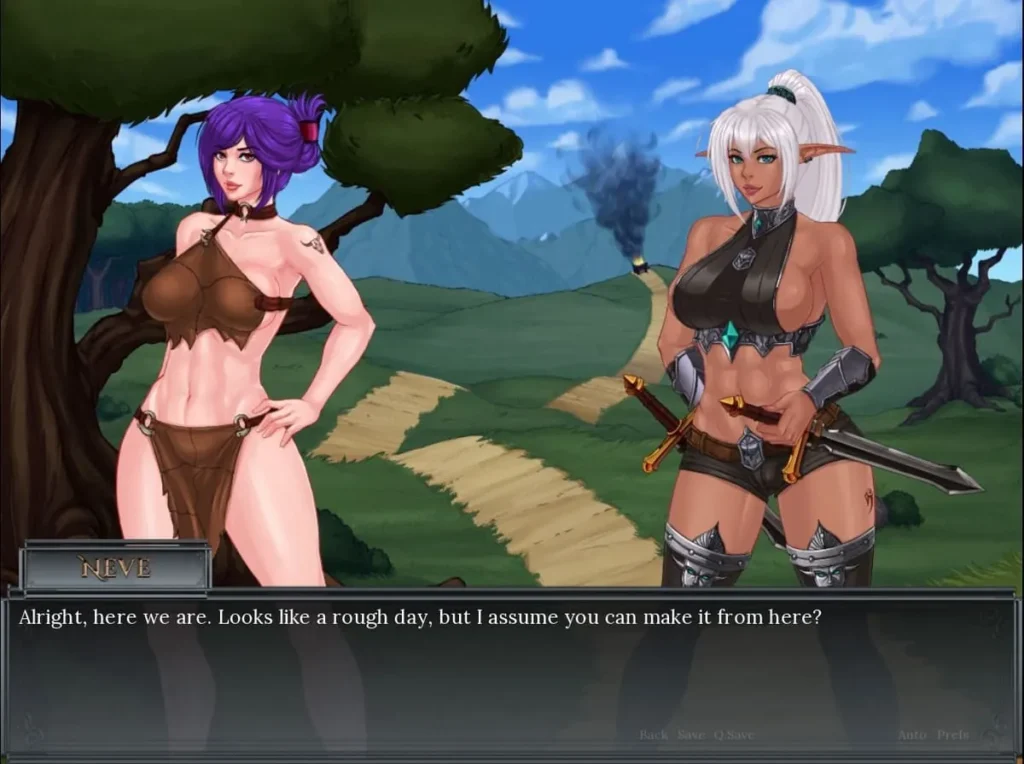
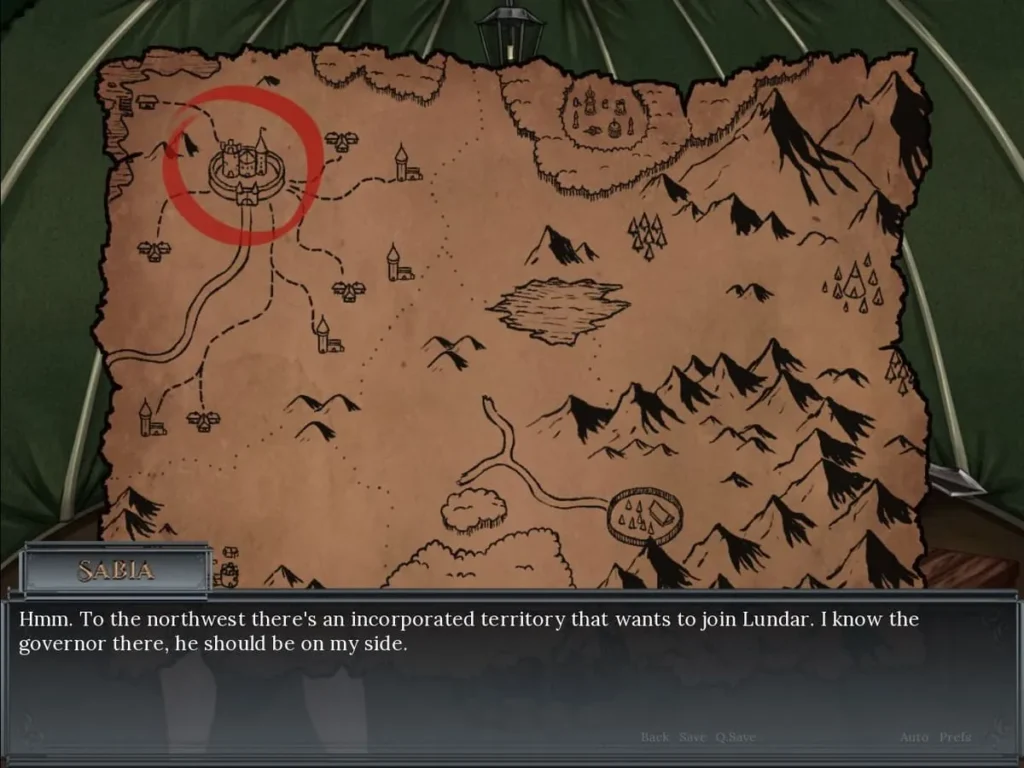
Visually, Kingdom of Deception leverages a beautiful 2D art style to build its atmosphere. The focus is on detailed character sprites, evocative event scenes, and moody environmental backdrops. Don’t come looking for flashy 3D effects or explosive particle spam. Instead, the game creates immersion through its consistent aesthetic and careful attention to detail in every illustration. It’s a world told through haunting portraits and tense, static scenes that leave just enough to your imagination. This isn’t a spectacle; it’s an illustrated storybook where you direct the (often terrible) plot.
Core gameplay loop: exploration, combat, and progression
Now, let’s dig into the meat of the experience: the Kingdom of Deception gameplay. How do you actually spend your time in this grim world? The core loop is a compelling mix of strategic planning and tense execution. You’ll primarily move between hub locations—a safe-ish tavern, a faction camp, a merchant’s post—and venture out into dangerous zones to complete quests, gather resources, and advance the story.
The moment-to-moment action is built on a foundation of resource management and turn-based encounters. Gold is perpetually scarce, health items are precious, and your equipment’s durability is a constant concern. An early Kingdom of Deception lesson is that you can’t just hack and slash your way to victory. You must prepare. Before heading into a new forest or ruin, you need to ask: Do I have enough healing salves? Is my weapon sharp enough? Can I afford to upgrade my armor? This constant calculus is central to the game’s strategic depth.
Progression feels tangible and hard-won. Upgrading your gear from a rusty dagger to a tempered shortsword is a major event. Learning new active skills or passive abilities can completely change your approach to combat. The game encourages you to optimize your build based on the challenges you anticipate, but it also loves to throw curveballs. A zone might be filled with enemies weak to piercing damage, only for the boss at the end to be heavily armored, forcing a last-minute tactical pivot.
Beyond the main path, the world is filled with side content that meaningfully alters your journey. Helping a minor character might grant you a crucial item later, or open a new dialogue option that avoids a deadly fight. Ignoring a plea for help could see that character return as an enemy, empowered by their desperation. These narrative choices are woven directly into the gameplay, making every decision feel consequential.
To summarize, the Kingdom of Deception experience rests on a few key pillars:
- Story & Choice: A mature, branching narrative where your decisions lock and unlock paths, change relationships, and shape the world.
- Combat & Tactics: Punishing, turn-based encounters that reward preparation, positioning, and understanding enemy patterns.
- Progression & Management: A constant, engaging struggle to upgrade your capabilities with limited resources.
- Consequence & Atmosphere: A cohesive, dark fantasy tone where failure has a cost and the world feels authentically hostile.
Here’s a quick breakdown of how these pillars interact during a typical gameplay session:
| Phase | Primary Actions | Key Considerations |
|---|---|---|
| Preparation (Hub) | Buy/Sell items, repair gear, accept quests, talk to NPCs | Gold management, inventory space, gathering intel on next area |
| Exploration (Zone) | Navigate map, trigger events, find hidden resources, avoid or initiate fights | Resource conservation, risk vs. reward of optional paths, event choices |
| Engagement (Combat/Event) | Turn-based combat, skill selection, narrative choice resolution | Enemy weaknesses, skill cooldowns, health/item usage, long-term choice impact |
| Result & Progression | Earn rewards, suffer consequences, unlock new story beats, return to hub | Applying new resources, understanding narrative shifts, planning next move |
This loop creates a fantastically tense rhythm. The quiet planning in the hub makes the danger of the exploration zones feel real, and the aftermath of a tough fight directly influences your next round of preparations.
My first hours in Kingdom of Deception: what surprised me most
My Kingdom of Deception first impressions were… humbling. 🫠 I went in thinking my experience with other tactical games would serve me well. The opening was slow, atmospheric, and heavy on setting the scene—exactly what I expected from a dark fantasy strategy game. I created my character, got a basic sense of the conflict, and was sent on my first real quest into the Whispering Woods. The game warned me it was dangerous. I, in my infinite wisdom, figured it was tutorial danger.
I was wrong.
The fight itself was against a few scavenger-type enemies. I won, but barely, burning through my two starting health potions. “A bit tough for an opener,” I thought, but pressed on deeper into the woods, lured by the promise of a hidden relic mentioned in the quest text. That’s when I triggered an ambush by a completely different type of creature I hadn’t seen before. Its attacks inflicted a nasty bleed effect, and my remaining health vanished in two turns. The game didn’t reload a checkpoint. Instead, I “awoke” back in the hub town, having been left for dead. I was poorer, my gear was damaged, and an NPC later made a snide comment about my failure. The game had moved on, and I was left with the consequences.
“I stared at the screen after that first devastating loss in the Whispering Woods. My health was gone, my gold was lighter, and a smug herbalist charged me double for a poultice. That’s when it clicked: Kingdom of Deception wasn’t just testing my combat skills; it was testing my ego. It forced me to slow down, to respect its world, and to understand that preparation isn’t a suggestion—it’s the only law that matters.”
This experience completely reshaped my approach. I started actually talking to every NPC for hints, saving my gold for specific upgrades instead of impulse buys, and treating every expedition like a careful heist. I learned that Kingdom of Deception is a game of patience and observation. It rewards players who enjoy complex systems, who relish the challenge of a difficult dark fantasy strategy game, and who see failure not as a setback but as a new narrative branch to explore. The potential for multiple, wildly different playthroughs is huge, and that’s a major draw.
Conversely, if you dislike games with a steep initial learning curve or where choices have permanent, high-stakes consequences, you might find the experience frustrating. This isn’t a power fantasy. It’s a survival narrative where you earn every victory.
So, what is Kingdom of Deception in the end? It’s a compelling, challenging, and deeply atmospheric adult fantasy game that merges strategic gameplay with a consequential narrative. It asks for your attention and respect, and in return, offers a uniquely immersive and memorable journey through a world where deception is the only true currency. If you’re ready for a game that doesn’t hold your hand, your first foray into the Kingdom of Deception awaits. Just remember to pack extra bandages. 😉
Kingdom of Deception rewards players who enjoy dark fantasy settings, layered decisions, and the thrill of planning ahead before each risky encounter. Once you understand how its systems connect—story choices, resource management, and tactical battles—the experience becomes far more satisfying and less punishing. If you are ready for a challenging, mature game that asks you to live with the consequences of your decisions, Kingdom of Deception is worth exploring with patience and curiosity. Take your time, experiment with different paths, and treat each setback as information for your next, more successful run.