Luna’s Fall from Grace
Play Luna’s Fall from Grace
Luna’s Fall from Grace Screenshots
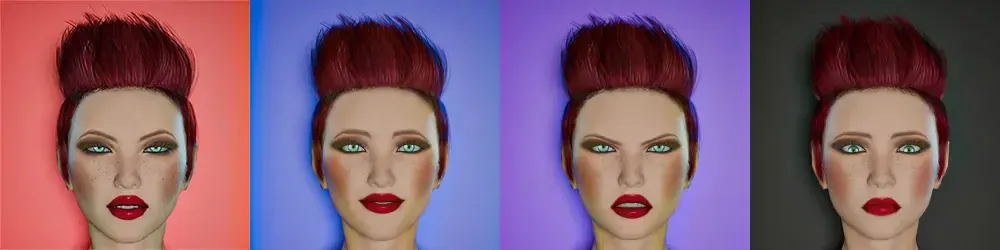




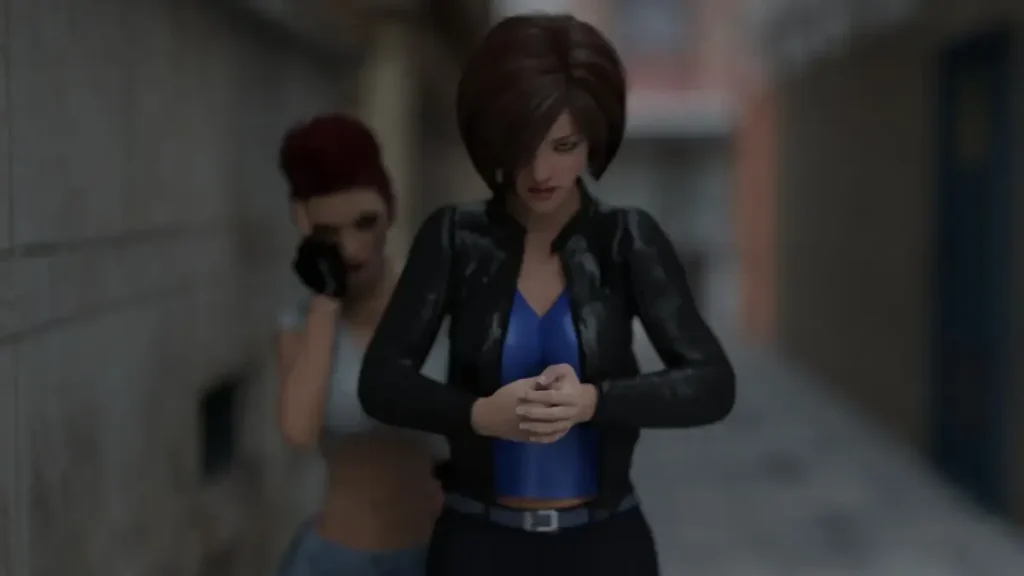
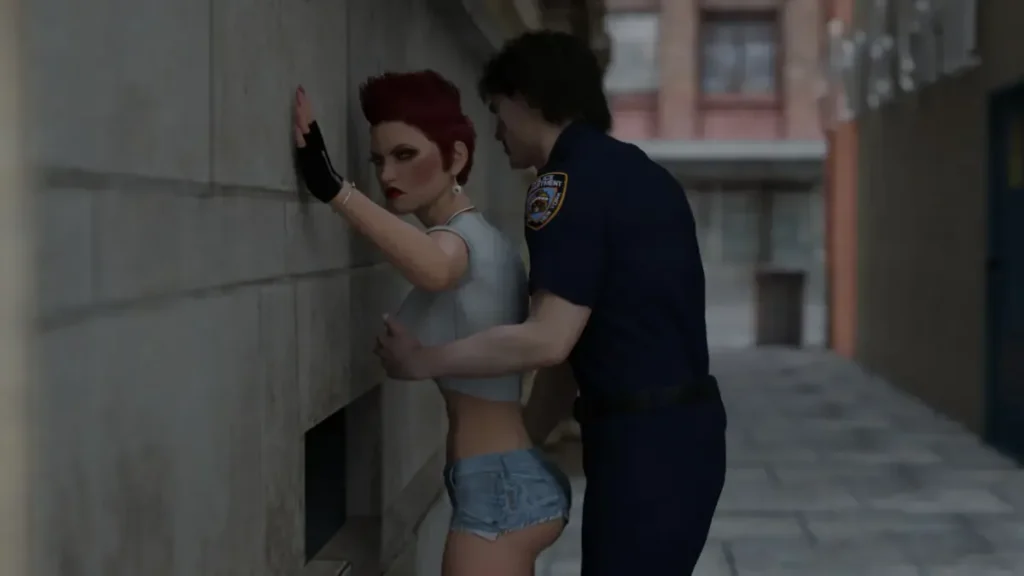
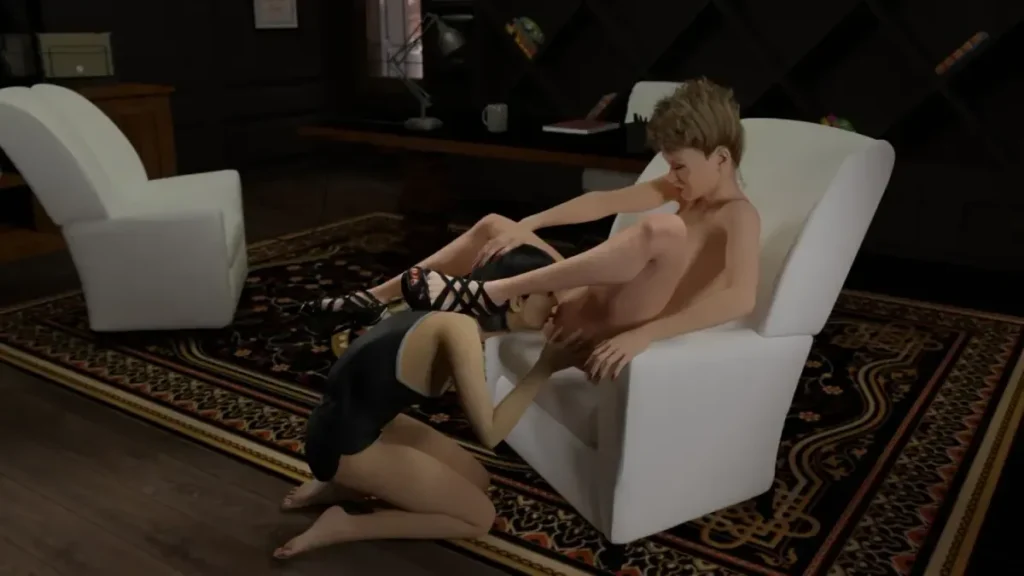

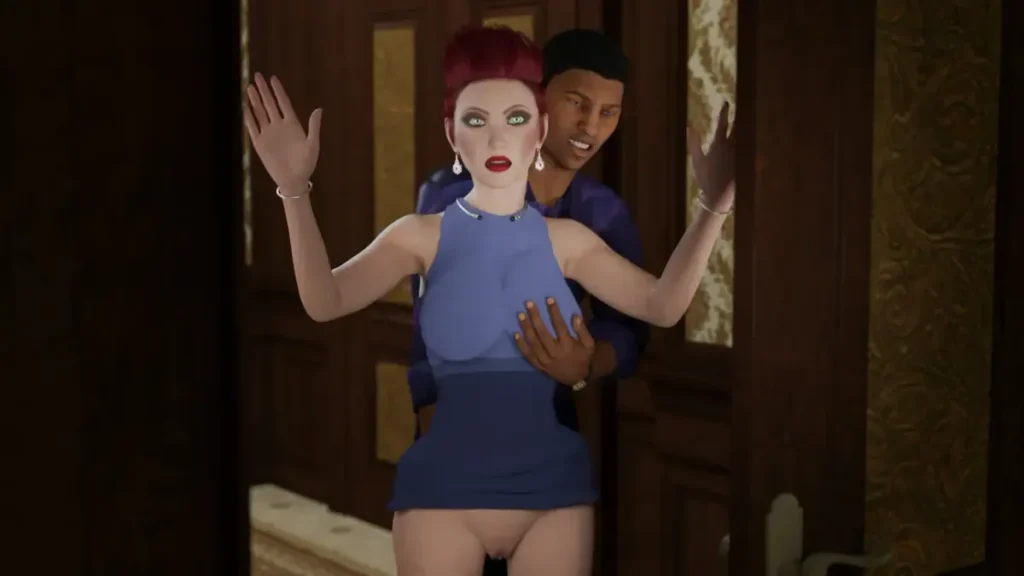


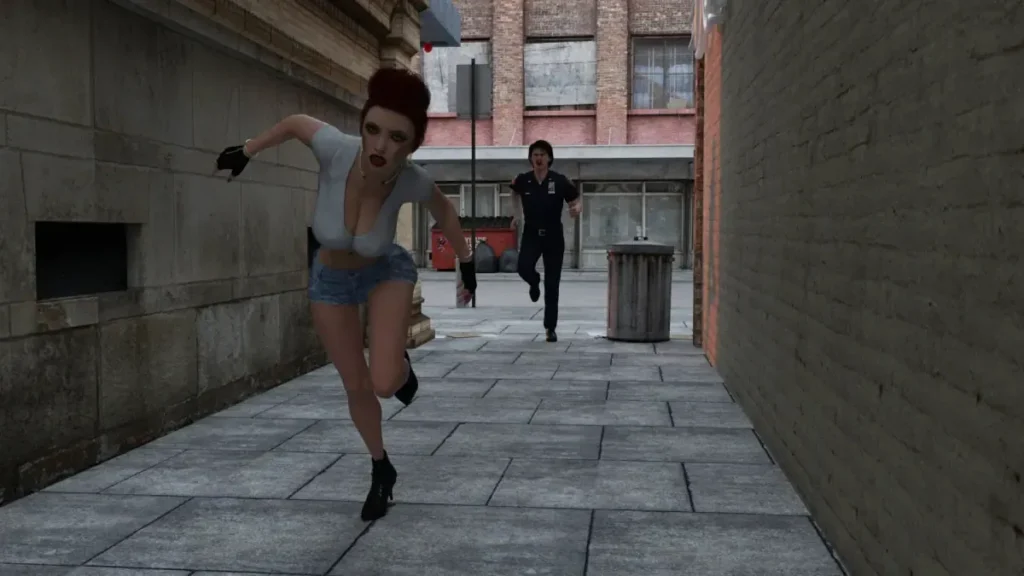

Luna’s Fall from Grace review
Dive into the captivating story and steamy choices of this adult visual novel
Ever stumbled upon a game that hooks you with its mix of dark fantasy and intense personal drama? Luna’s Fall from Grace is that thrill ride, where you guide a noblewoman through temptation and tough choices in a richly detailed world. This adult visual novel packs stunning artwork, branching narratives, and moments that keep you coming back. Whether you’re new to Luna’s Fall from Grace or replaying for hidden paths, I’ll share my firsthand tips from countless hours sunk in. Let’s uncover what makes this game a standout in the genre and how to master its twists.
What Makes Luna’s Fall from Grace So Addictive?
I remember the first time I stumbled upon Luna’s Fall from Grace. It was one of those aimless, late-night scrolls through a gaming forum, and a single screenshot stopped me cold. 🖼️ It wasn’t just the stunning art—though that was a huge part of it—it was the raw emotion on the character’s face. I downloaded it on a whim, telling myself I’d just check out the first few minutes. Fast forward five hours, and I was completely lost in its world, my coffee cold and my heart racing over a fictional noblewoman’s fate. That’s the magic of this Luna visual novel; it doesn’t just tell a story, it pulls you into one.
So, what is Luna’s Fall from Grace? At its core, it’s a masterclass in narrative-driven choice. You guide Lady Lunaria, a woman of high birth and seemingly higher morals, through a gilded cage of a society. The game asks a deceptively simple question: what are you willing to sacrifice to get what you want? Your dignity? Your friendships? Your very soul? This Luna corruption story is a slow, deliberate burn, and its addictiveness lies in how it makes you, the player, complicit in every step of the journey.
Who Is Luna and Why Follow Her Journey?
Lunaria—Luna for short—isn’t your typical damsel in distress. When we meet her, she’s poised, educated, and bound by the stifling expectations of her noble house. 🏰 She has dreams, but the path to them is blocked by a society that sees her as a bargaining chip. This initial setup is genius because it makes her relatable. Who hasn’t felt trapped by circumstances, yearning to break free?
Her journey is the heart of Luna’s Fall from Grace game. You’ll guide her through glittering balls and shadowy alleyways, navigating relationships with a captivating cast. There’s the steadfast knight sworn to protect her, the charming foreign diplomat with dubious intentions, and other nobles each with their own agendas. Every interaction isn’t just conversation; it’s a potential step on a new path.
What makes following Luna so compelling is the agency you’re given. You’re not watching her fall or rise—you’re deciding the direction, the speed, and the rationale. The corruption isn’t cartoonish villainy; it’s a series of understandable compromises, small moral surrenders that slowly reshape who she is. One moment you’re telling a white lie to avoid a scandal, the next you’re leveraging a secret for political power. The line between “doing what’s necessary” and “becoming what you feared” beautifully blurs.
Key Gameplay Mechanics Explained
The brilliance of Luna’s Fall from Grace is how its systems are invisibly woven into the story. You’re not crunching numbers; you’re living Luna’s life, and the game quietly keeps score. Here’s how it works:
The two primary Luna game mechanics are the Corruption and Affection systems. Think of them as the twin compasses guiding Luna’s soul and her relationships.
- The Corruption Meter: This is the central pillar of the Luna corruption story. Almost every significant choice you make will nudge this hidden meter up or down. Choosing to assert dominance, indulge in a taboo, or embrace a ruthless political tactic adds points. Opting for mercy, upholding tradition, or choosing a pure-hearted path subtracts them. This meter doesn’t just lock endings; it subtly changes dialogue options and even how certain characters perceive Luna throughout the game.
- Affection Meters: Key characters have their own relationship scores. Your choices in dialogues and actions with them—be it the loyal knight, the sly rival, or the mysterious outsider—determine how they feel about Luna. These meters are crucial for unlocking specific story branches and, ultimately, whose path you end up on for the finale.
Then there’s the practice every seasoned player learns: save-scumming. Because the branches are so plentiful and the consequences so permanent, the game almost encourages you to save constantly. I learned this the hard way after a single, off-hand remark locked me out of a character’s route for the rest of that playthrough! 😅 The strategic use of save files is part of the fun, allowing you to explore “what if” scenarios from key decision points.
To visualize how these mechanics feed into the Luna’s Fall from Grace endings, here’s a simplified breakdown:
| Mechanic | What It Tracks | Primary Influence On |
|---|---|---|
| Corruption Meter | Luna’s moral alignment and worldly indulgence. | Whether you get a Pure, Compromised, or Fully Fallen ending. |
| Affection Meters | Relationship depth with individual characters. | Which character’s ending sequence you experience (if any). |
| Key Plot Choices | Major narrative decisions, often irreversible. | Access to specific story branches and late-game events. |
After spending countless hours with it, here are my top 5 reasons why this Luna visual novel stands head and shoulders above the crowd:
- Art That Breathes: The CGs (computer graphics) are breathtaking. From lavish gowns to intimate moments, the art doesn’t just illustrate the story—it elevates it. 🎨
- Narrative Depth: This is far more than a simple tale. It’s a psychological exploration of power, desire, and identity.
- Meaningful Choices: There are no “right” answers, only consequential ones. Every decision carries weight, making you pause and truly think.
- Voice Acting Snippets: While not fully voiced, key emotional lines are delivered by talented VAs, adding a powerful punch to pivotal scenes.
- Replayability: With over ten distinct endings, your first playthrough is just the beginning. The game begs to be revisited.
How Choices Shape Your Luna’s Fall from Grace Experience
Let me tell you about a choice that haunts me. Midway through the game, Luna’s family is on the brink of ruin. A powerful, morally questionable figure offers a deal: his support in exchange for a private evening. The “good” choice is to refuse, to face poverty with dignity. The “pragmatic” choice is to accept, securing your family’s future at a personal cost. I sat there, mouse hovering, for a solid ten minutes. That moment wasn’t about pixels on a screen; it was about my values projected onto Luna.
This is how choices shape your Luna’s Fall from Grace experience. They aren’t binary good/evil flags. They are nuanced, often lose-lose scenarios that define who Luna becomes. Will she be a beacon of hope in a corrupt world, or will she master the game and become its most ruthless player? Perhaps she’ll find a twisted middle ground, securing power but losing her light.
Your management of the Corruption and Affection meters directly dictates your access to the various Luna’s Fall from Grace endings. A low corruption score and high affection with the knight might lead to a sweet, “Pure Heart” ending. High corruption and a tangled web of affections could unlock the notorious “Gilded Cage” or “Harem’s Crown” conclusions. There are tragic ends, triumphant ones, and everything in between. With an average of 5-7 hours per route, each ending feels like a complete, emotional novel in itself.
My practical, actionable advice? Save like a paranoid historian. 📚 Before any major conversation or event, create a new save file. Label them clearly (e.g., “Before the Masquerade Ball” or “Choice: The Duke’s Proposal”). This saves you hours of replaying if you want to explore a different branch and is essential for experiencing the full scope of what this Luna’s Fall from Grace game has to offer.
So why is it so addictive? Because it makes you care. It combines gorgeous art, a compelling Luna corruption story, and a choice system with real teeth. You’re not just pursuing endings; you’re uncovering the multifaceted story of a woman named Luna, and in doing so, you might just learn something about the choices we all face. It’s a captivating, steamy, and deeply engaging experience that stays with you long after you close the game.
FAQ
What do I need to play Luna’s Fall from Grace?
The game is very accessible! It’s a PC title available on major visual novel platforms. System requirements are minimal—almost any modern computer can run it smoothly. All you need is the game file and a few gigabytes of free space.
How long does it take to see everything?
To experience all major Luna’s Fall from Grace endings and story branches, you’re looking at 25-35 hours of gameplay. A single, blind playthrough typically takes 5-7 hours, making it a perfect experience for multiple evenings.
Any tips for a first-time player?
Go in blind for your first run! Don’t look up guides. Make choices that feel true to you and embrace the consequences. That initial, unspoiled journey is magical. After you get one ending, then dive into guides to navigate toward the other fascinating conclusions you’ve missed.
Luna’s Fall from Grace masterfully blends choice-driven storytelling with immersive adult themes, offering endless replayability through its branching paths and deep character arcs. From my sessions navigating Luna’s dilemmas, it’s clear this game rewards bold decisions and exploration. If you’re craving a narrative that pulls you in deep, grab it now, experiment with routes, and share your favorite endings in the comments. Your next obsession awaits—what path will you choose?