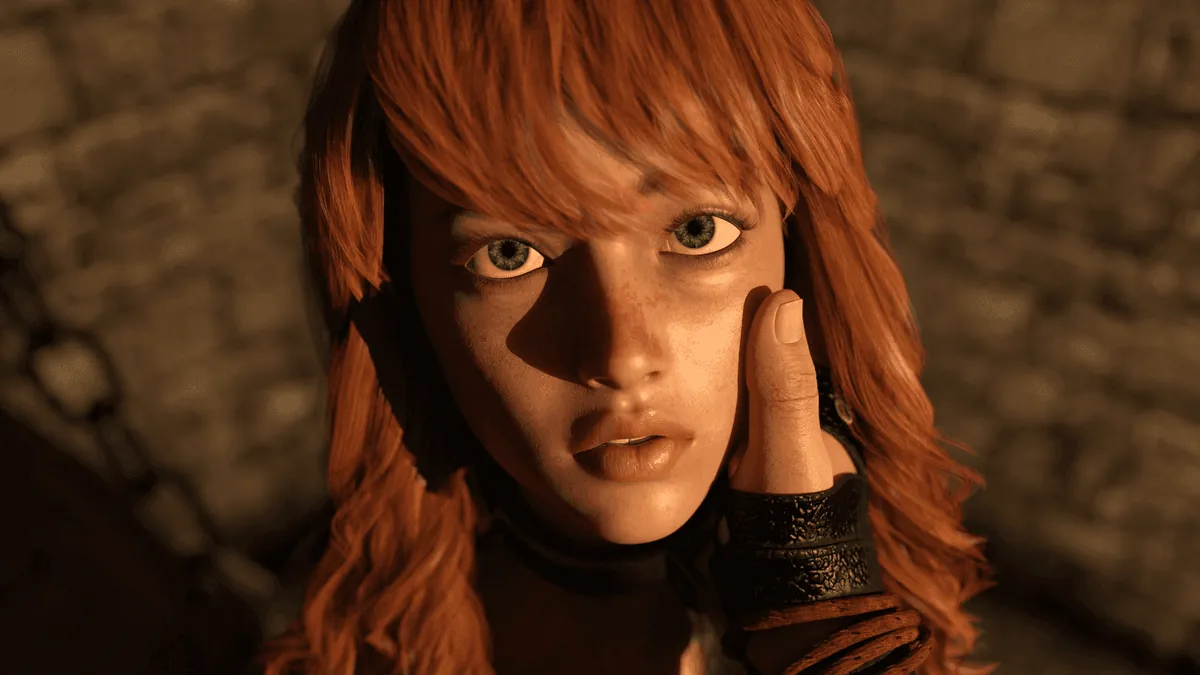
Once in a Lifetime
Play Once in a Lifetime
Once in a Lifetime Screenshots







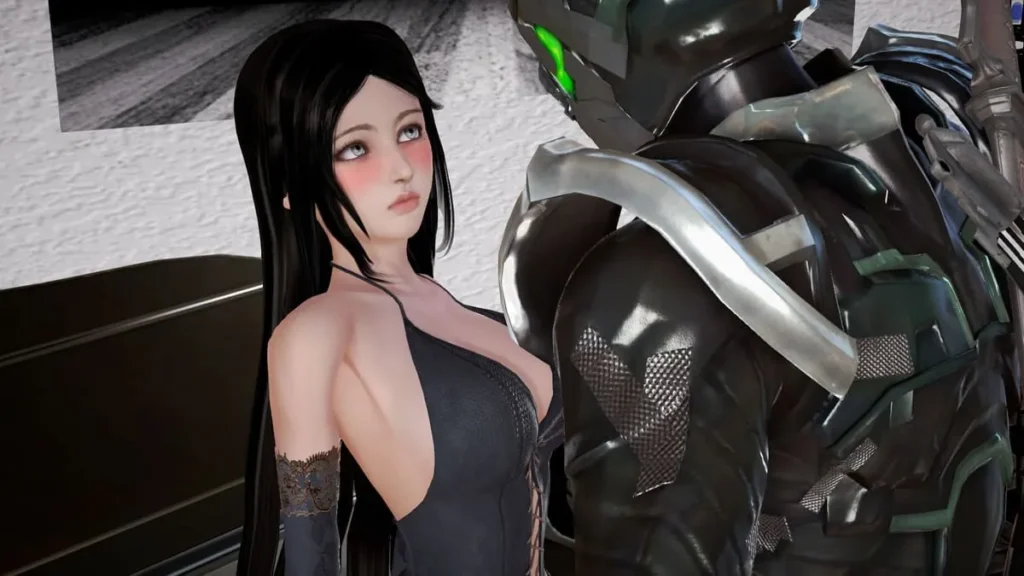

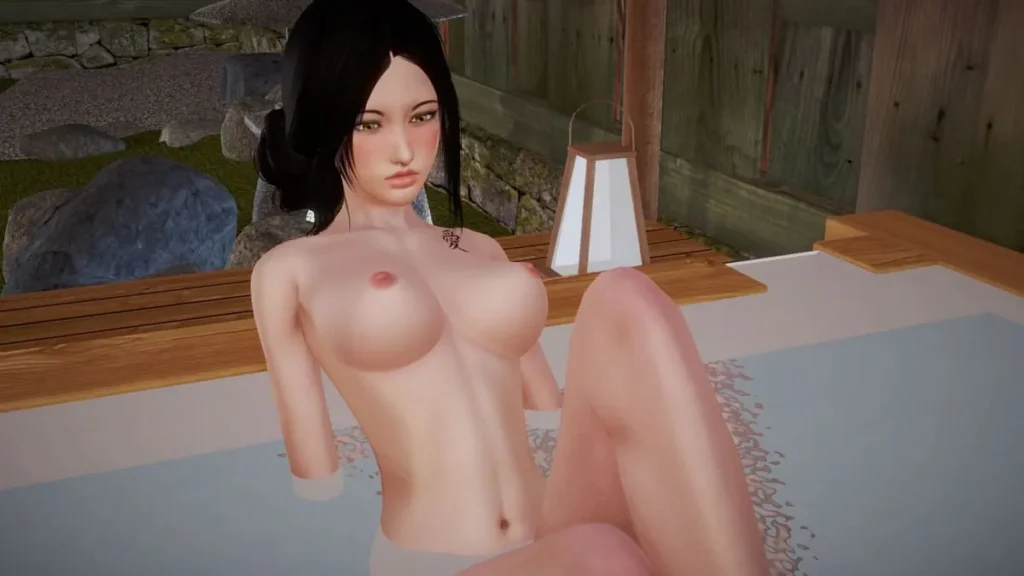

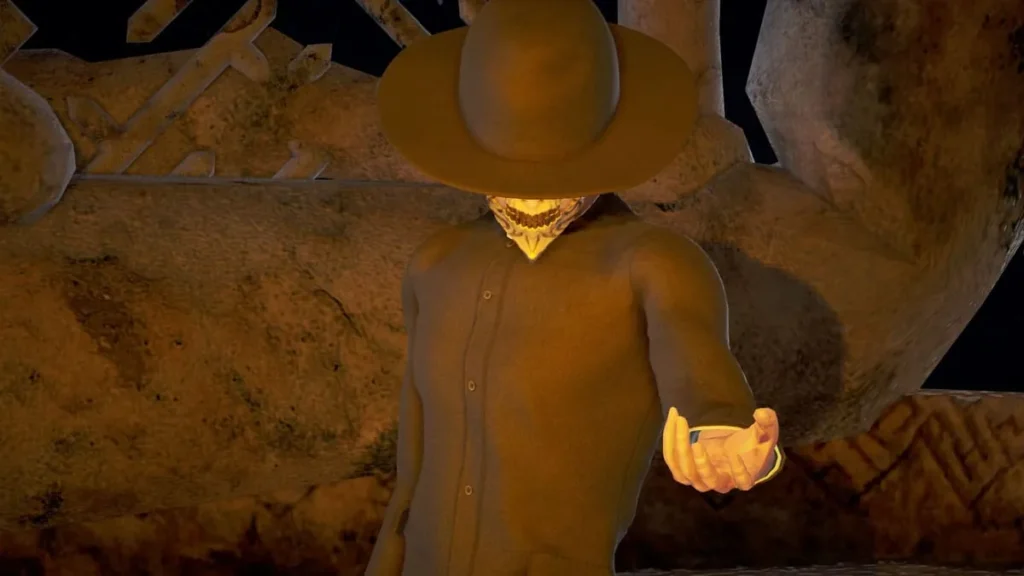
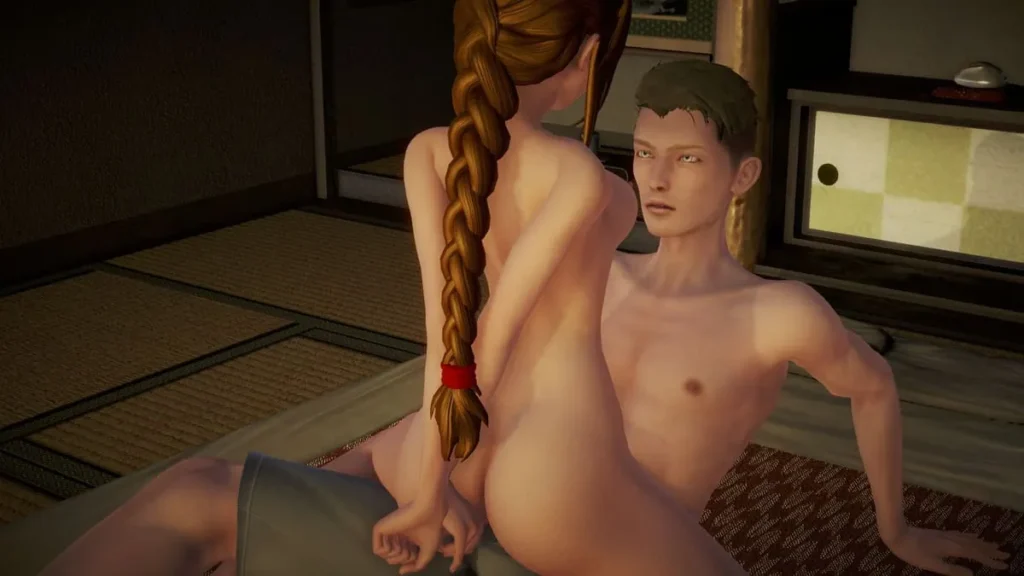

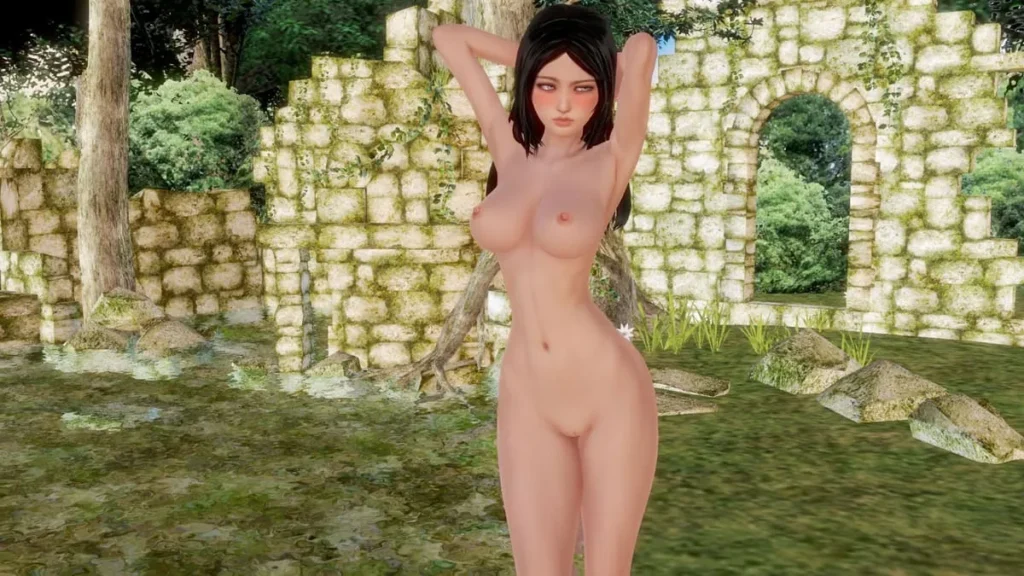
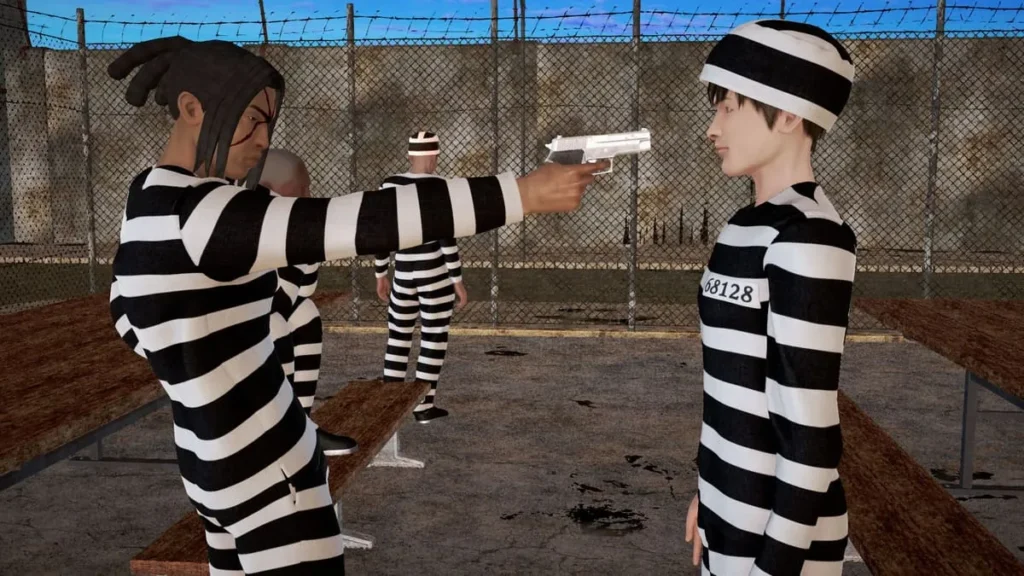
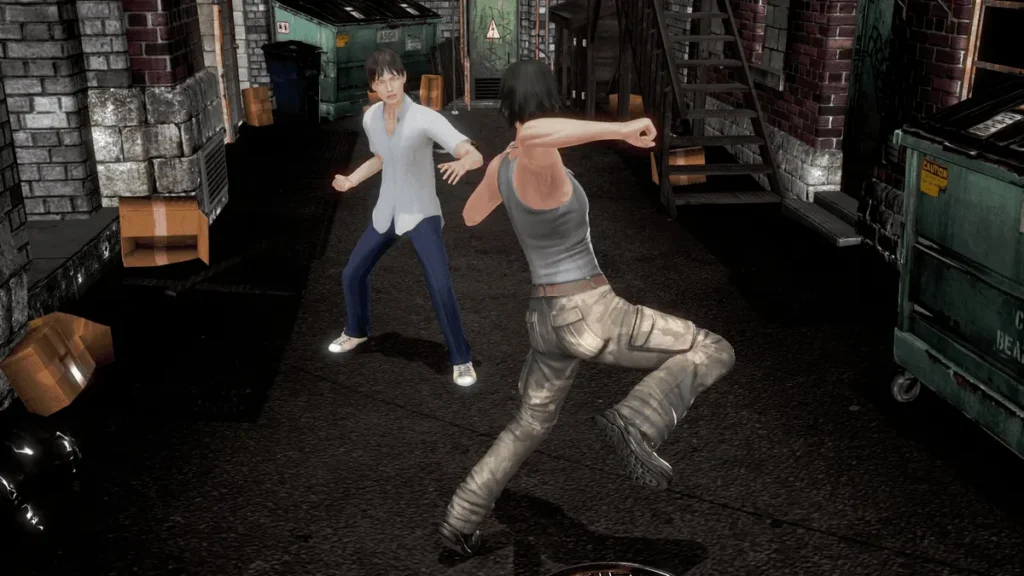
Once in a Lifetime review
A deep dive into the narrative-driven visual novel that blends conspiracy, humor, and character development
Once in a Lifetime stands out as a narrative-driven visual novel that combines mystery, humor, and character-driven storytelling in ways that resonate with players seeking more than surface-level entertainment. Set in the mysterious town of Mistbury, this story-driven adventure invites players to uncover dark secrets, navigate complex relationships, and shape their own path through meaningful choices. Whether you’re curious about the game’s plot progression, character dynamics, or what makes it worth your time, this comprehensive guide explores what makes Once in a Lifetime a memorable experience for visual novel enthusiasts.
Story, Plot, and Narrative Structure in Once in a Lifetime
So, you’ve just hit ‘New Game’ on Once in a Lifetime. Maybe you’re expecting a classic small-town romance or a quirky slice-of-life tale. I certainly was. What you get instead is one of the most brilliantly structured, genre-bending narratives in the story-driven adventure game landscape. It’s a masterclass in how to lull a player into a false sense of security before pulling the rug out from under them—all while making you care deeply about every single character involved. 😊
This Once in a Lifetime game review chapter is all about deconstructing that magic. We’re going on a deep dive into the Once in a Lifetime story plot, examining its unique visual novel narrative structure, and seeing how it transforms the quiet hamlet of Mistbury into a unforgettable Mistbury mystery game.
### How Does the Story Begin? Understanding the Early Game Experience
You start as a blank slate—a young adult returning to your sleepy, somewhat dreary hometown of Mistbury after years away. The mood is instantly relatable: that mix of nostalgia, boredom, and slight unease that comes with revisiting a place you outgrew. The game doesn’t rush you. It lets you breathe in the atmosphere, reintroduce yourself to old faces, and meet the new residents who will soon become central to your world.
This early phase is crucial. The character relationship progression here is deceptively natural. You’re not bombarded with love interests or dramatic backstories immediately. Instead, you have casual conversations at the local bar, awkward run-ins at the grocery store, and hesitant reconnections with childhood friends. It feels real. The pacing is a deliberate slow-burn, allowing you to form genuine opinions about characters before the plot demands you trust them with your life.
From a practical standpoint, I advise players to talk to everyone and explore every nook in these early hours. The game is planting seeds—little hints of oddities, strange town gossip, and character quirks—that will bloom spectacularly later. Pay attention to the local lore and the slightly off-kilter comments from townsfolk.
The visual novel narrative structure in this opening act is brilliantly deceptive. It uses familiar tropes—the returning hero, the charming local hangout, the cast of potential romantic partners—to create a cozy, predictable framework. You’re lulled into thinking you know the rules of this world. You’re making choices about who to spend time with, based on who you like, not who you might need for a future demon-hunting squad. This organic foundation is what makes everything that follows so impactful.
### The Turning Point: When the Conspiracy Plot Takes Center Stage
And then, the turn happens. It’s not a subtle shift; it’s a narrative detonation. Without spoiling the glorious details, the game introduces its antagonist and the core conspiracy plot visual novel elements in a way that completely reframes everything you’ve experienced.
One moment you’re worried about a date or a local festival; the next, you’re uncovering a sinister plot that stretches from the depths of Hell to the highest echelons of Mistbury’s society. The tone morphs from playful and relaxed to tense, mysterious, and often hilariously apocalyptic. What’s masterful is that this shift doesn’t abandon the characters or relationships you’ve built—it weaponizes them. Suddenly, your connection to the shy bookworm or the confident bartender isn’t just about romance; it’s about forming a ragtag team to confront a literal existential threat.
This is where the Once in a Lifetime story plot truly separates itself. The conspiracy is both absurdly grand and deeply personal. It involves ancient demons, secret societies, and cosmic horror, but it’s always grounded in how it affects the people of Mistbury. The antagonist isn’t a distant evil; their machinations are felt in the town’s disappearing residents, the creeping sense of dread, and the very fabric of reality beginning to fray at the edges.
The game’s balance is impeccable. A scene of genuine horror or tense investigation can be immediately followed by a character making a perfectly timed, sarcastic quip that releases the pressure without breaking the immersion. Recurring gag characters, like certain… inept occult investigators, provide consistent comedic relief that actually enhances the world-building rather than undermining it.
“I went in expecting a fun romance sim and came out feeling like I’d lived through a cult-busting, demon-slaying epic with my closest friends. The genius is that it never feels like it’s making fun of the genre—it feels like it’s expanding what a visual novel can be. It respects its characters too much to let them be clichés, even when the world is ending.” – A player’s experience.
### Themes of Mystery, Demons, and Imagination Throughout the Game
Beneath the laughs and the scares, Once in a Lifetime is weaving a rich tapestry of themes. The core of the Mistbury mystery game isn’t just “what’s happening?” but “why is it happening here, and to us?” The narrative explores ideas of belonging, the baggage of home, and the power of found family. Your protagonist is literally rebuilding their life in a town that is itself coming apart at the seams, creating a powerful parallel journey.
The demonic and conspiracy elements are treated with a surprising amount of clever lore. It’s not just generic “evil”; there are rules, hierarchies, and a twisted logic to it all. This gives the conspiracy plot visual novel a satisfying weight. Your choices in uncovering the truth feel meaningful because the mystery is well-constructed.
Most strikingly, the game possesses a fairy tale-like quality. It’s a modern, R-rated fairy tale, mind you, but the structure is there: an ordinary person thrust into an extraordinary world, facing symbolic evils with the help of allies each possessing unique “gifts.” It avoids clichés by subverting expectations at every turn—the destined hero might be a sarcastic layabout, the magical helper might be profoundly unhelpful, and true love’s kiss might be grossly misinterpreted by everyone present.
The overall narrative pacing is a work of art. It knows exactly when to let you relax and enjoy character moments, when to drop a chilling clue, and when to launch into a full-blown action or horror sequence. It maintains engagement by constantly evolving the stakes while never losing sight of its heart: the characters.
To understand the pillars holding up this incredible Once in a Lifetime story plot, look at these key narrative elements:
- The Central Mystery: The engine of the plot. It’s compelling enough to drive the action but flexible enough to allow for extensive character-focused detours.
- Character-Driven Humor: The soul of the experience. The comedy stems from who the characters are, ensuring jokes deepen relationships rather than interrupt the story.
- Meaningful Character Development: Every major character has a complete arc that intertwines with the main plot. Their motivations are clear, personal, and evolve naturally.
- Consequential Choices: This isn’t an illusion of choice. Your decisions significantly affect character relationship progression, the fates of secondary characters, and which of the game’s multiple endings you will unlock.
Let’s break down how the visual novel narrative structure manages its tone and pacing:
| Narrative Phase | Primary Tone | Player Focus | Pacing Style |
|---|---|---|---|
| Act 1: Homecoming | Slice-of-Life, Nostalgic, Light Comedy | World-building & Social Links | Deliberate Slow-Burn |
| Act 2: The Reveal | Mystery, Thriller, Absurdist Horror | Unraveling the Conspiracy | Accelerating, with Peaks of Tension |
| Act 3: Confrontation | Epic, Emotional, Cathartic | Team-Building & Final Choices | High-Stakes, Climactic |
In the end, the Once in a Lifetime game review consensus on its story is overwhelmingly positive for a reason. It’s a story-driven adventure game that understands its medium perfectly. It uses the player’s expectation of visual novel conventions as a tool, not a constraint. The Once in a Lifetime story plot is a wild, heartfelt, and unforgettable ride that proves a story can have demons and dick jokes while still having more soul, clever writing, and genuine emotional payoff than most “serious” narratives. It doesn’t just tell you a story; it makes you a vital part of a strange, wonderful, and deeply human (and inhuman) adventure. 😈✨
Once in a Lifetime delivers a compelling visual novel experience that successfully balances narrative depth with entertainment value. The game’s strength lies in its conspiracy-driven plot, memorable characters, and ability to blend serious storytelling with genuine humor that keeps players engaged throughout their journey in Mistbury. While the early relationship progression moves quickly, the overall narrative quality and character development more than compensate, creating an experience that resonates with players seeking meaningful visual novel storytelling. The game’s visual design and animation quality further enhance the experience, making it a standout title in the visual novel genre. If you’re looking for a story-driven adventure with compelling characters, mystery elements, and moments that will make you laugh, Once in a Lifetime offers a worthwhile experience that justifies the time investment.