
Play Stellar Dream
Stellar Dream Screenshots













Stellar Dream review
Master the mechanics, characters, and narrative paths in this immersive sci-fi adventure
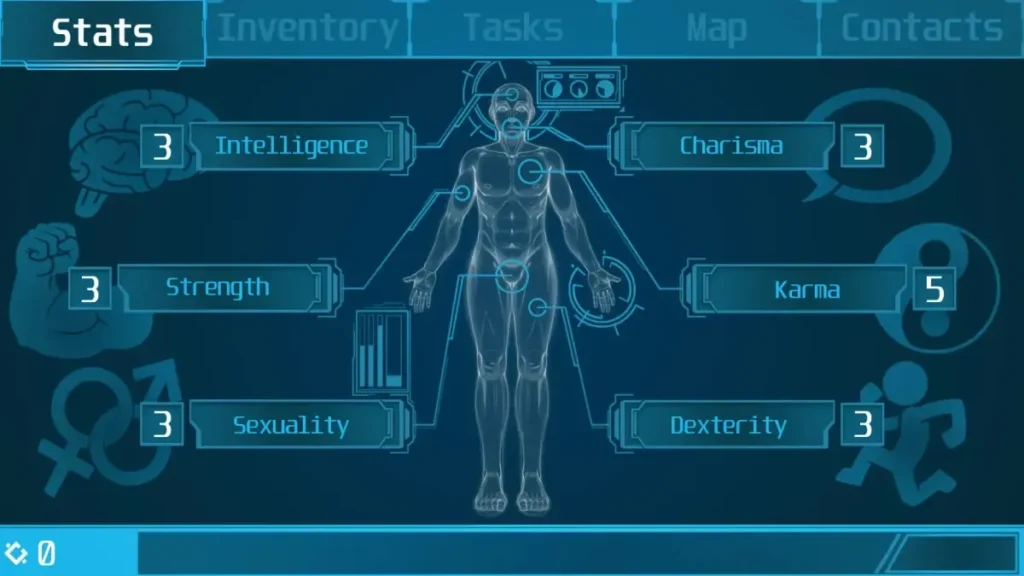
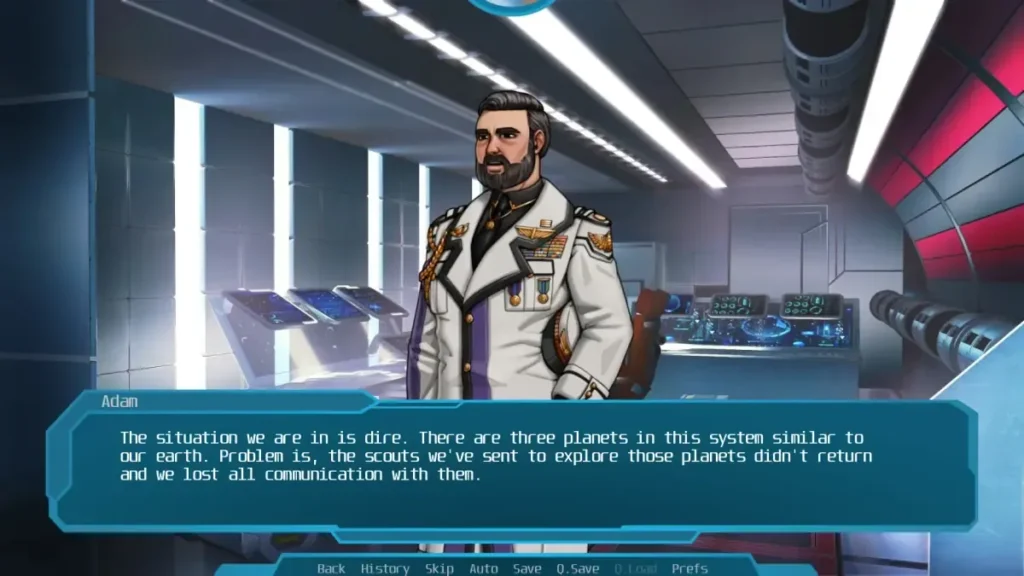
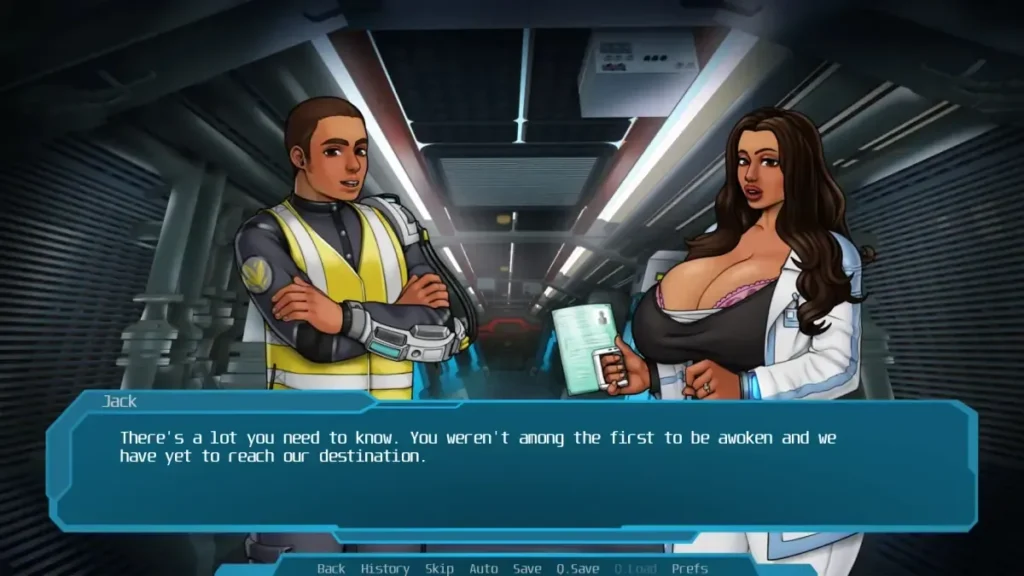
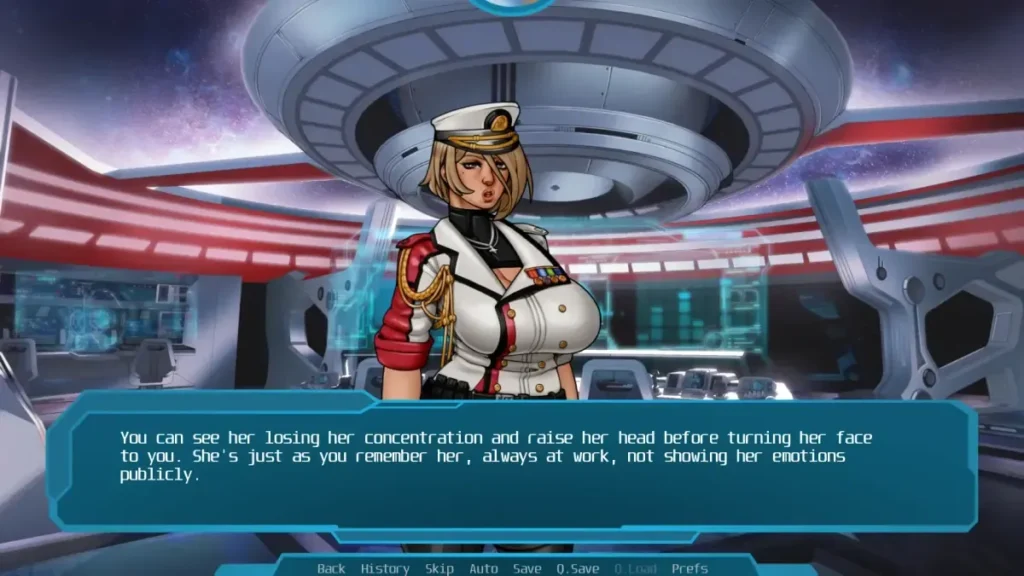
Stellar Dream stands out as an immersive sci-fi visual novel that combines rich storytelling with strategic gameplay mechanics. Players board a colossal colony ship on a desperate mission to save humanity by exploring alien worlds, managing resources, and building relationships with over 10 unique characters. Whether you’re drawn to romance-focused paths or darker corruption routes, this game delivers meaningful choices that shape your journey across fascinating alien landscapes. Understanding the core mechanics, character dynamics, and strategic approaches will help you unlock all the secrets and maximize your enjoyment of this captivating experience.
Understanding Stellar Dream’s Core Gameplay Mechanics
Ever booted up a game, stared at the screen, and felt that wonderful mix of excitement and sheer terror? That’s the magic of Stellar Dream. You’re waking up with no memory on a sentient starship, the Stardrifter, floating above an alien world that looks equal parts gorgeous and deadly. Where do you even begin? Don’t worry, pilot. I’ve been there, staring at those mysterious scanner readouts and wondering if I should spend my last canister of Hydra-Gel on repairing the life support or bribing a shady trader. This guide is here to break down the brilliant, sometimes brutal, Stellar Dream gameplay mechanics so you can thrive, not just survive. 🚀
The heart of this adventure isn’t about mastering complex combos; it’s about mastering yourself and your decisions. Every choice, from a whispered conversation to a risky resource allocation, ripples outward. By the end of this, you’ll know exactly how to navigate its systems, turning that initial overwhelm into confident command of your own cosmic destiny.
The Central Gameplay Loop and Resource Management
At its core, Stellar Dream operates on a beautifully tense loop: Explore, Gather, Decide, Survive, Repeat. Think of it as a cosmic dance where every step matters. You’ll chart a course to a planet from your ship’s stellar map, touch down in your lander, and then the real work begins.
This is where resource management Stellar Dream becomes your lifeline. Your ship, the Stardrifter, isn’t just a pretty backdrop; it’s your mobile base, your lab, and your most vulnerable asset. Every expedition is a calculated gamble. You need to ask: What’s my goal? What do I need to bring back? And what can I afford to lose?
Resources are categorized, and each is precious:
* Volatiles: Fuel for the Stardrifter and your lander. No fuel, no exploration. It’s your primary throttle on progress.
* Biomaterials: Used for crafting medical supplies, unique gear, and sometimes for diplomatic “gifts” with certain alien flora-fauna societies. I once traded a rare luminous spore cluster for a map to a hidden archeological site—best deal I ever made.
* Metallics & Synthetics: The bread and butter for repairing ship systems, upgrading your scanner, and crafting tools. A hull breach waits for no one.
* Data Fragments: Perhaps the most crucial. These are gleaned from scanning artifacts, translating alien monoliths, or completing character quests. They unlock new tech, story revelations about your past, and navigation coordinates to more dangerous—and rewarding—worlds.
The genius of Stellar Dream ship management is that it’s deeply personal. Allocating power, for instance, isn’t a one-time setup. Heading into a nebula? You might shunt power from weapons to shields. Running low on oxygen after a long surface scan? Divert energy from the research lab to life support. The ship’s status screen is a story of your priorities. I learned this the hard way when I prioritized the entertainment console over the carbon scrubbers and nearly choked on my own CO2. A memorable, if embarrassing, lesson in strategic decision-making. 🤖
This constant juggling act means there’s no “perfect” build, only the build that serves your current goal and narrative path. Do you hoard fuel to reach a distant, rumored world, or spend it on local jumps to thoroughly scavenge a sector? Your call, Captain.
Exploration Systems and Scanner Mechanics
If resource management is the heartbeat of the game, then exploration is its soul. Each alien world is a hand-crafted puzzle box, waiting for you to crack it open. This isn’t about clearing fog from a map; it’s about active discovery. And your key to everything is the Stellar Dream scanner system.
Your multi-tool scanner is your best friend. Pulling it up (I remapped mine to an easy-access key) paints the world in layers of data. At its basic level, it highlights resources: glowing deposits of metallics, shimmering patches of biomatter. But its true power is in its upgrades and your skill in using it.
Think of scanning in three tiers:
1. Passive Ping: Your general sweep. It shows major resource nodes and obvious points of interest. Essential for starting your alien world exploration guide routine on any new landing.
2. Active Deep Scan: This consumes a bit of your tool’s battery but reveals hidden details—weak points on a sealed door, the energy signature of a cloaked creature, or the subtle textural difference of a camouflaged archeological panel. I found an entire underground grotto because my deep scan noticed a “thermal anomaly” behind a waterfall.
3. Specialized Modes: As you invest Data Fragments into the tech tree, you unlock modes like Bio-Spectral (tracking creature life signs) or Artifact Resonance (finding story-critical relics). These turn the scanner from a tool into a narrative device.
A practical alien world exploration guide tip? Scan, then scan again. When you first enter a new biome, do a broad sweep. Mark a few key resources. But before you sprint to them, stop. Look at the architecture, the plant life, the strange rock formations. The game’s environments tell stories. A cluster of crystalline growths might indicate a nearby energy source to scan. Peculiar weathering on a monolith might hint at a switch hidden by time. The Stellar Dream scanner system rewards the curious and the patient.
Remember, exploration is risk vs. reward. That canyon rich with Volatiles might be home to predatory Skitter-Crabs. That ancient temple full of Data Fragments might have unstable gravity. Your scanner can warn you of some dangers, but not all. Sometimes, you just have to take the leap. 🌌
Choice-Driven Narrative and Consequence System
This is where Stellar Dream truly ascends. Every mechanic feeds into one glorious, terrifying idea: choice and consequence gameplay. The game has a memory like a steel trap. That off-hand comment you made to your engineer about not trusting synthetic life? It’ll come back hours later when you need an AI to override a door. The medical supplies you “borrowed” from the ship’s locker to heal a wounded alien? The doctor will confront you, and their trust will be permanently altered.
The narrative branches not from a few big, obvious “YES/NO” prompts, but from hundreds of small, often mundane decisions. This creates an unparalleled sense of interactive narrative choices that feel organic. You’re not picking “Good Dialogue Option 3”; you’re deciding how you, a lost amnesiac, would react in a impossible situation.
The two most prominent narrative paths that emerge are the Romance of Discovery and the Path of Pragmatic Control (often called the “Corruption” path by players, though the game never judges you with that label). Your alignment isn’t chosen from a menu; it’s baked into your actions.
| Aspect | Romance of Discovery Path | Path of Pragmatic Control |
|---|---|---|
| Dialogue Choices | Emphasize curiosity, empathy, and preservation. You seek to understand alien cultures and form bonds. | Emphasize efficiency, dominance, and survival. You view resources and beings as tools for your ascent to power. |
| Character Quests | Resolve conflicts peacefully, often sacrificing resources for knowledge or ally well-being. You help crewmates heal old wounds. | Exploit conflicts for personal gain, command obedience, and secure the most profitable outcome. You remind crewmates of their debt to you. |
| Resource Allocation | Share supplies with settlers or aliens in need. Invest in cultural and ecological research projects on the ship. | Stockpile resources, trade ruthlessly, and invest in security, surveillance, and ship weaponry. |
| Ultimate Outcomes | Unloves endings focused on unity, new alliances, and understanding the galaxy’s mysteries. Your legacy is one of connection. | Leads to endings where you command immense power, having subjugated or manipulated factions. Your legacy is one of control, often at a great cost. |
👽 The beauty is, you can mix and match. Maybe you’re empathetic to your crew but ruthless to outsiders. The game tracks it all. This extends to your Stellar Dream ship management. Choosing to build a lush hydroponics bay for the crew’s morale versus a fortified armory changes the tone of shipboard conversations and can even open or close certain questlines.
My biggest piece of advice? Save often, and in multiple slots. This isn’t just a technical tip; it’s a philosophical one for choice and consequence gameplay. Sometimes you’ll make a decision, play for two hours, and only then see its devastating second-order effect. Having a save to return to lets you explore different branches of this incredible story without losing everything. Consider one “main” progression save and a “chapter” save at the start of each major new world or story beat.
Practical Gameplay Tips to Master the Mechanics:
- Scanner Savant: Get in the habit of a quick scan every time you enter a new area. Charge your deep scan for investigating anything unusual—walls, flora, strange rocks. Your scanner is your eyes and ears.
- Save File Strategy: Maintain at least three rotating saves. Overwrite your oldest one as you go. Before a major story decision or a risky planetary landing, create a new manual save. Trust me.
- Exploration Efficiency: On a new world, prioritize securing your landing zone and locating a primary objective. Then, spiral your exploration outward. Don’t be afraid to leave resources behind for a later, better-equipped visit.
- Conversation is Key: Talk to your crew after every major event. Their opinions shift, and new interactive narrative choices appear based on what you’ve done and seen. They are your compass.
- Resource Wisdom: Never deplete a resource to zero on the ship. Always keep a small buffer for emergencies. When planet-side, gather a variety of resources, not just the one you came for. You never know what you’ll need next.
Mastering Stellar Dream gameplay mechanics is about embracing their interconnected nature. Your scanner guides your exploration, which nets you resources, which power your ship and influence your choices, which weave your unique story. It’s a symphony of systems where you are the conductor. Now, get out there, pilot. The stars are waiting, and they remember everything. ✨
Stellar Dream delivers a sophisticated gaming experience that goes far beyond surface-level entertainment. By mastering the core gameplay mechanics, understanding character relationship systems, and appreciating the visual craftsmanship, you unlock the full potential of this immersive sci-fi adventure. The game’s strength lies in its commitment to meaningful choices and consequences—every decision you make shapes your unique narrative across alien worlds. Whether you pursue romance, corruption, or balanced paths, the hundreds of story variations and multiple endings ensure that no two playthroughs feel identical. The strategic depth of resource management, combined with the emotional weight of character relationships, creates an experience that rewards both careful planning and spontaneous exploration. As you embark on your journey to save humanity and discover your protagonist’s true identity, remember that the game remembers everything you do. Dive in with these strategies and insights to maximize your enjoyment and uncover all the secrets this captivating experience has to offer.