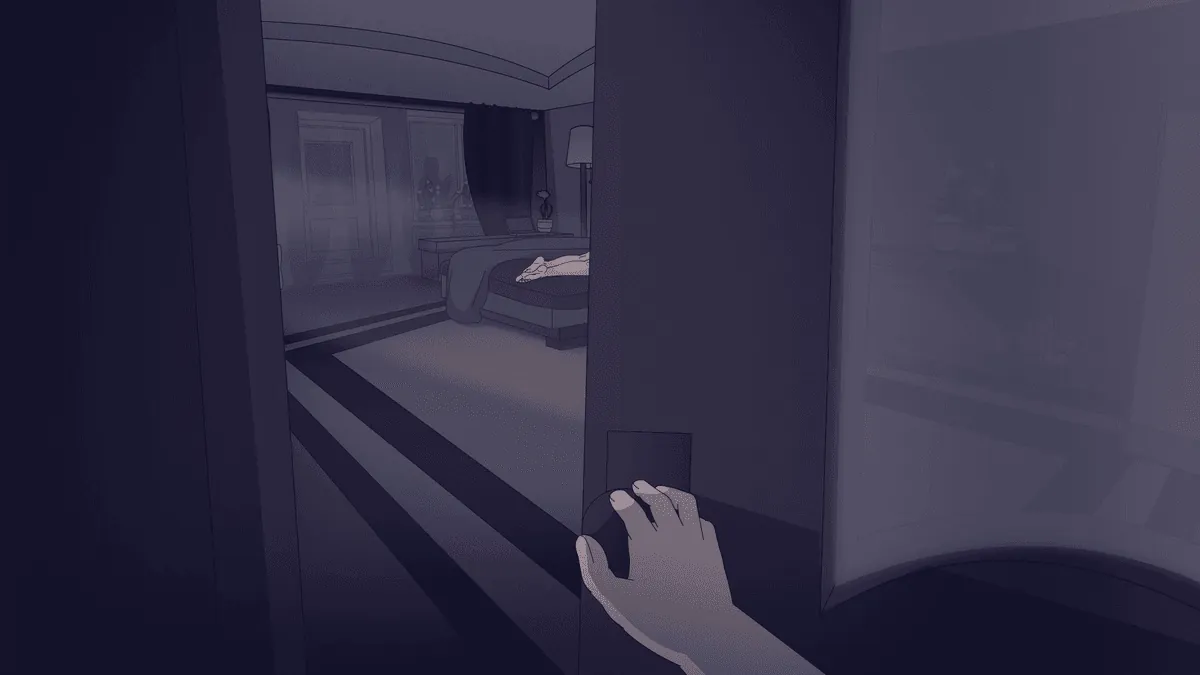
The Arson Betrayal
Play The Arson Betrayal
The Arson Betrayal Screenshots



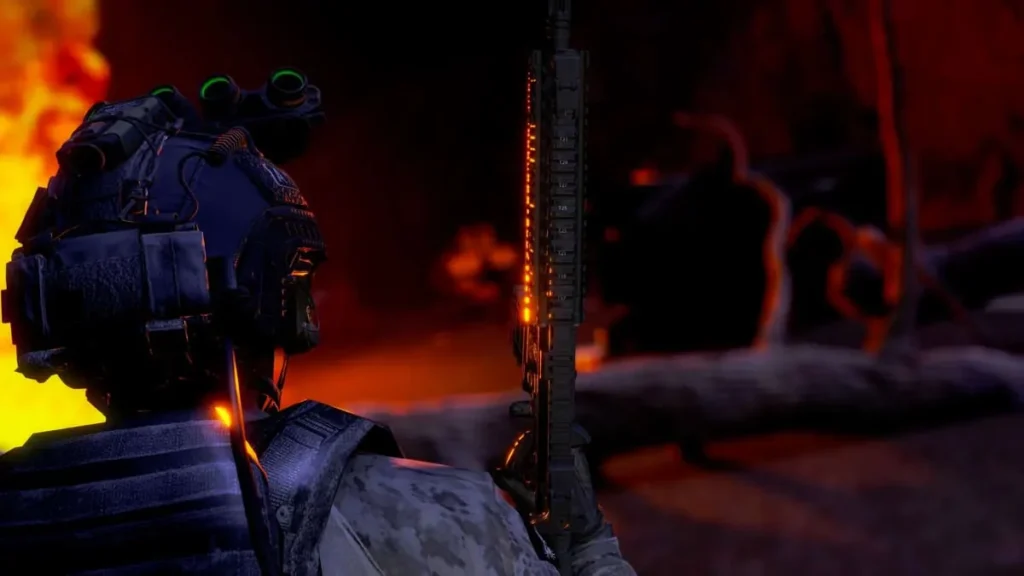

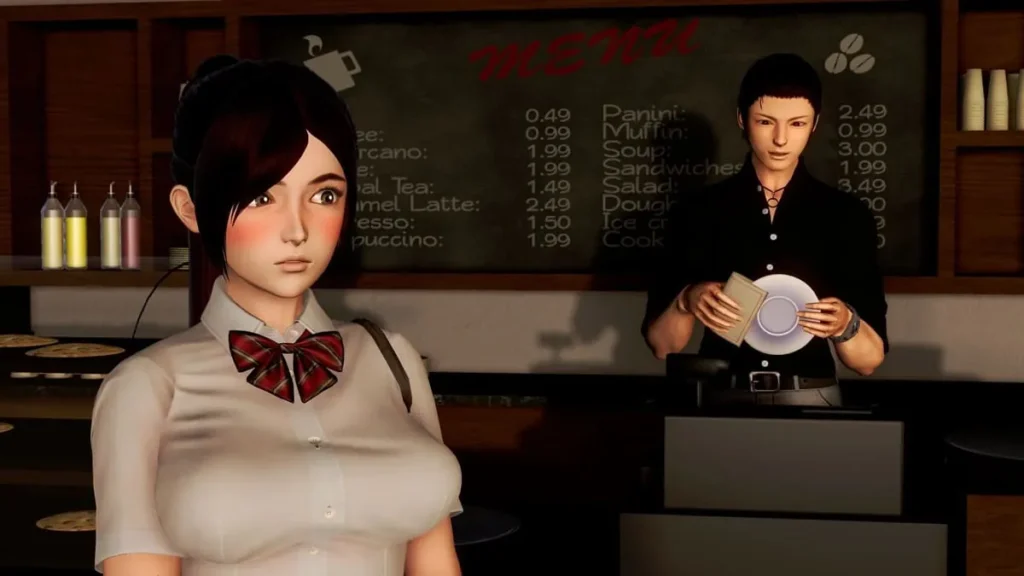

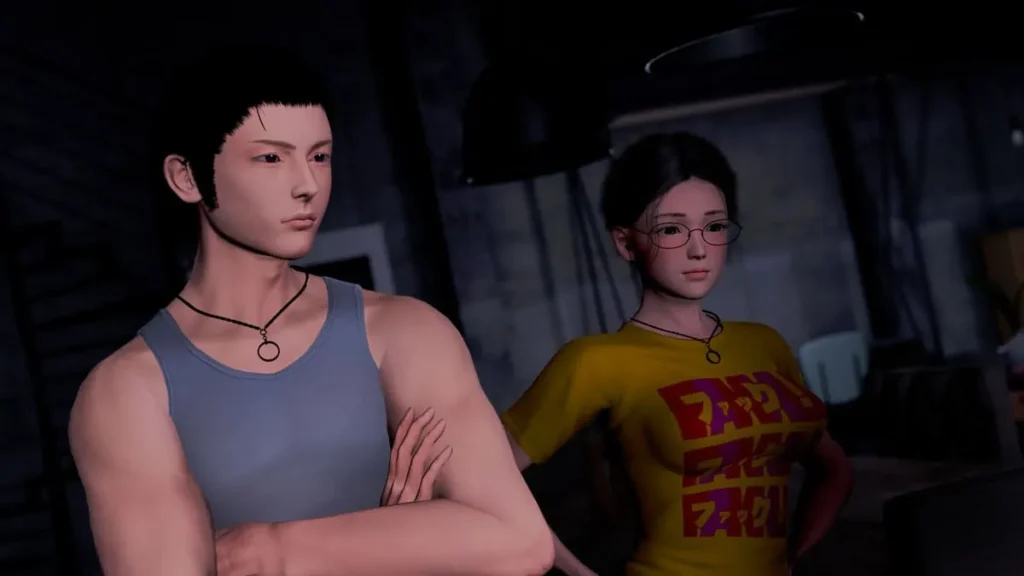
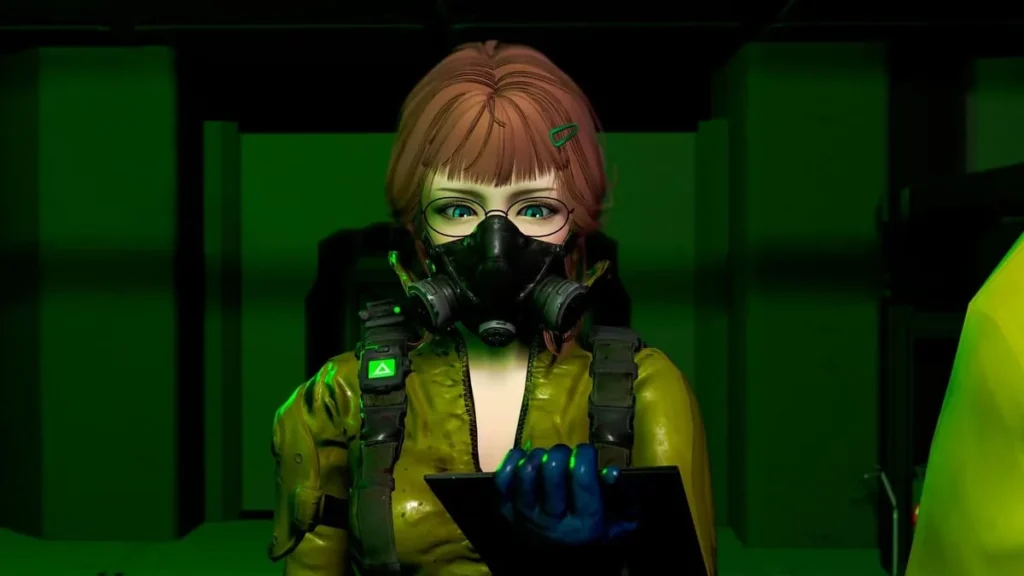



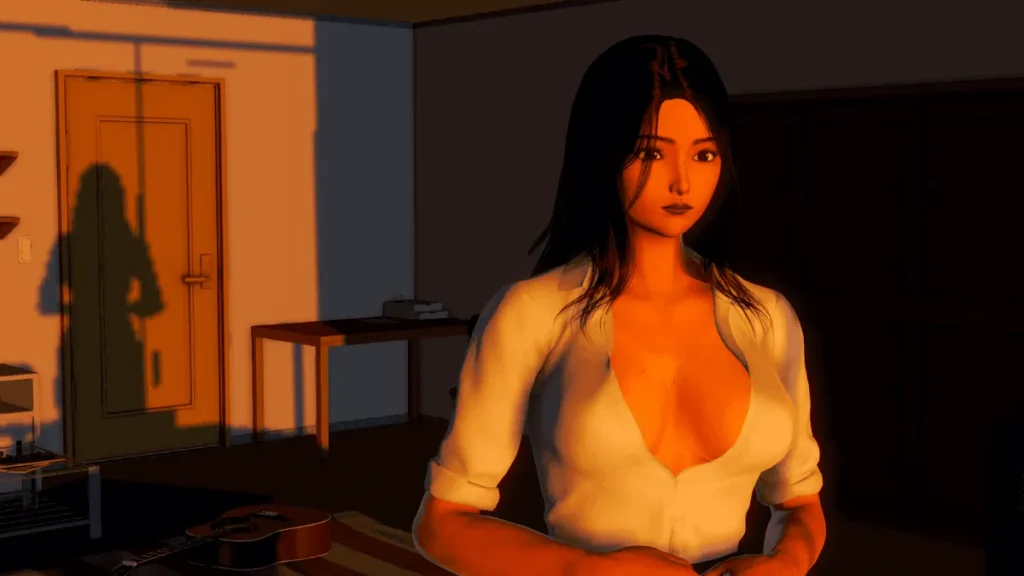
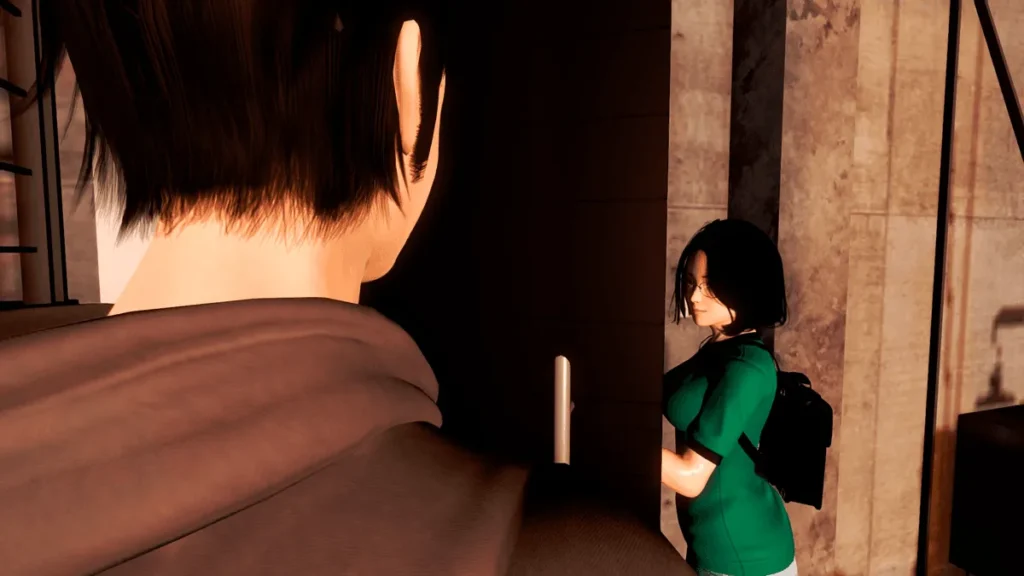
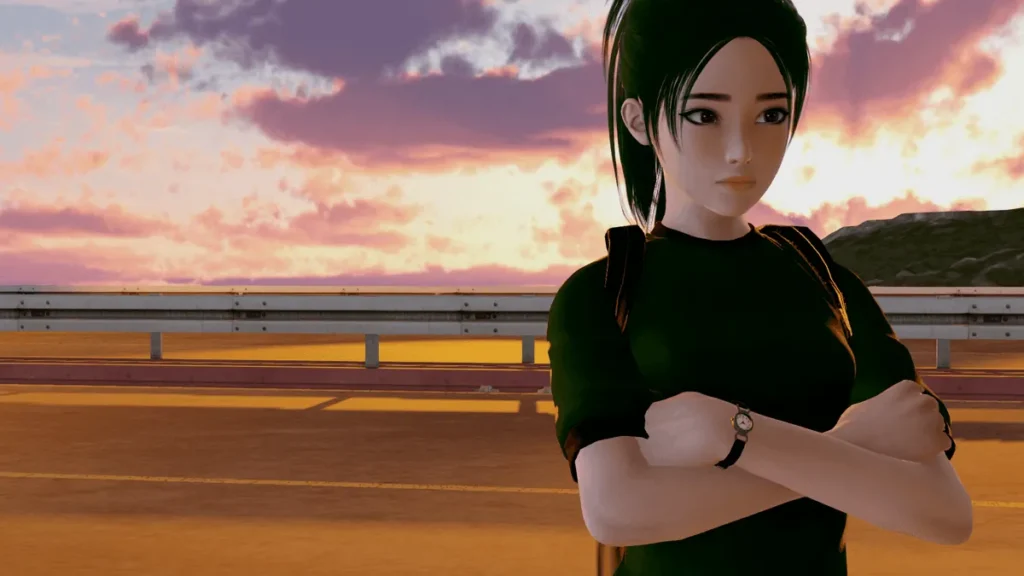


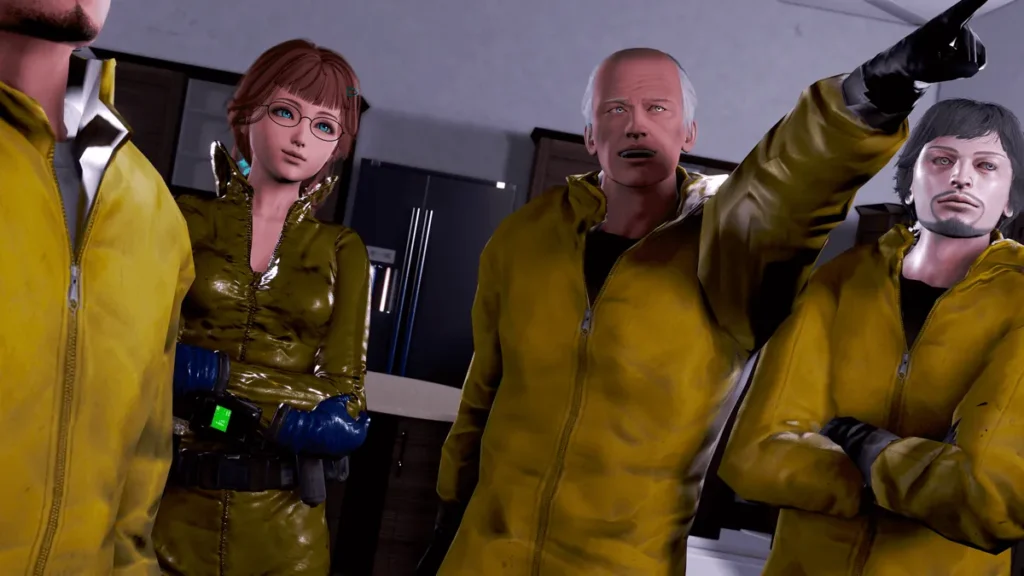
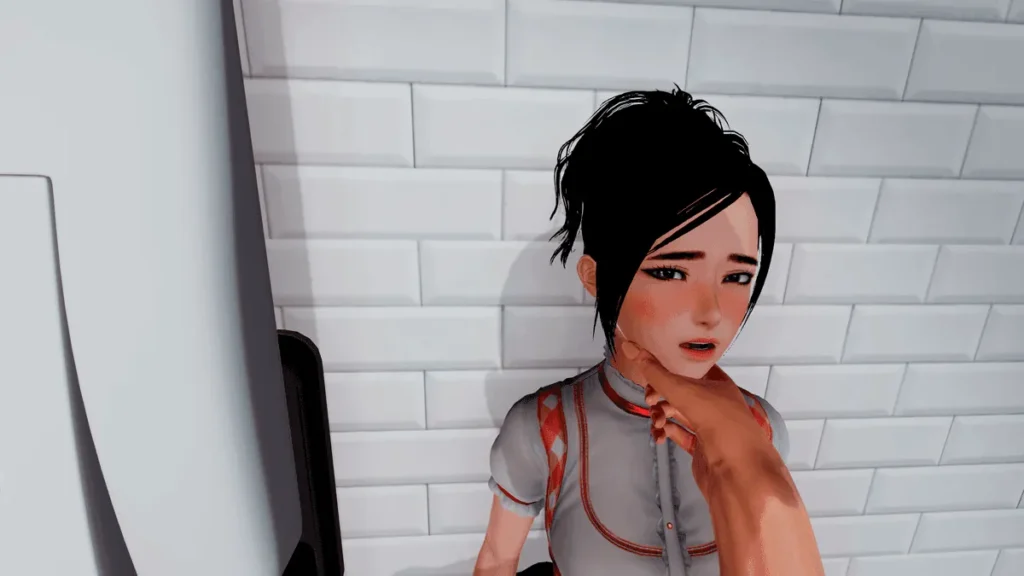




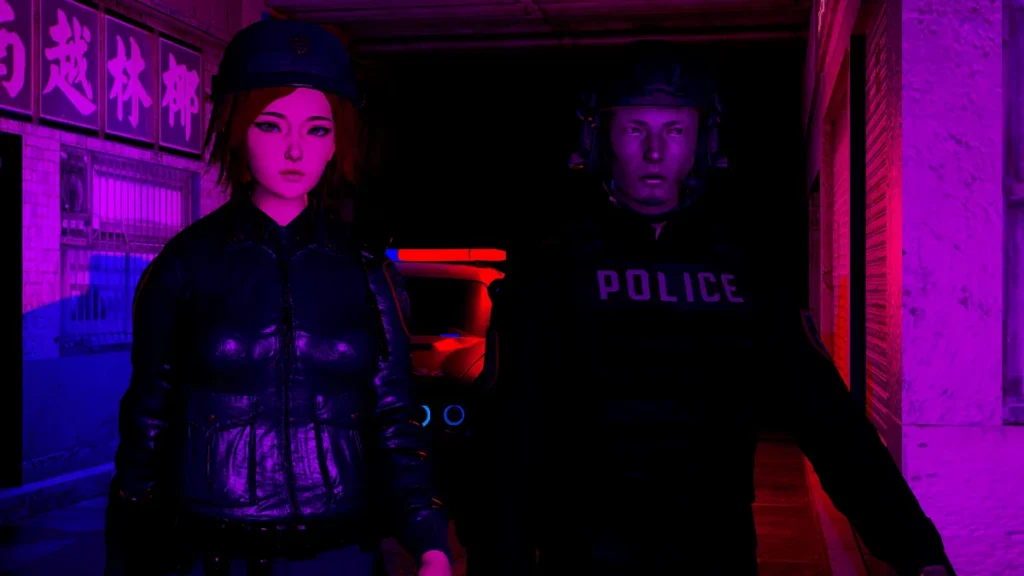

The Arson Betrayal review
A practical, player-focused guide to story, mechanics, and tips for The Arson Betrayal
The Arson Betrayal is a narrative-driven indie game that places you in the role of Leo (or a custom name) as you navigate a conspiracy-filled city while managing relationships, choices, and mature-themed encounters; this article unpacks the game’s story, mechanics, platforms, and player strategies for The Arson Betrayal. Hook: I spent several evenings playing through different paths to see how choices change outcomes, and this guide distills those hands-on findings into actionable tips and a clear map of what to expect. Read on for a full walkthrough of key systems, character arcs, content warnings, and optimization suggestions to get the most from The Arson Betrayal.
Story, Setting, and Characters in The Arson Betrayal
What is the central plot and setting?
Welcome to Ablesmith City. It’s a place where the rain washes the grime from the towering corporate spires down into the cracked concrete of the old districts. It’s a character in itself—a sprawling, breathing entity of inequality and whispered secrets. This is the Ablesmith City setting, a perfect stage for a story of smoke and mirrors.
So, what’s The Arson Betrayal story all about? 🕵️♂️ You step into the worn-out boots of Leo, a freelance fire investigator just trying to scrape by. The Leo protagonist background isn’t one of glamour; he’s a man haunted by a past fire he couldn’t stop, now taking any job to pay the bills. His world is turned to ash when a seemingly standard warehouse fire reveals a meticulously staged murder. The victim? A low-level data runner with ties to powerful corporate interests Leo can’t even fathom.
This discovery is the lit match. Suddenly, Leo is thrust into a widening conspiracy that snakes through every level of Ablesmith City—from corrupt city officials and rival fire departments to ruthless corporate enforcers. The core themes hit hard: trust is a currency, deception is the common language, and survival means knowing who to believe when everyone has a motive to lie. It’s a gritty, mature, noir-tinged journey where the truth is as fragile as a burnt piece of paper.
Who are the main characters and their motivations?
In a tale called The Arson Betrayal, understanding character motivations The Arson Betrayal is your most important tool. Everyone has an angle, and your relationships with them are the kindling for the plot’s major fires. Let’s meet the key players.
Leo (or Your Custom Name): Our protagonist. His primary motivation is uncovering the truth, both for the current case and to quiet the ghosts of his past failure. Beneath that, it’s simple survival. As you guide him, you’ll shape whether he remains an idealist seeking justice, hardens into a pragmatist doing what’s necessary, or becomes a manipulator playing the same dirty games as his enemies.
Captain Mara Vance: Leo’s former superior at the Ablesmith City Fire Department. A by-the-book career officer whose motivation is protecting the institution’s reputation. She can be a reluctant ally, a formidable obstacle, or something in between, depending on how you handle the delicate politics of the investigation.
Tomas “Fixer” Bell: A cynical, tech-savvy information broker who operates in the city’s underbelly. His motivation is strictly profit and self-preservation. He’ll sell you the data you need, but can you ever trust the source? He represents the game’s central question: is a useful betrayal still a betrayal?
Anya Petrova: A sharp investigative journalist with a personal vendetta against one of the mega-corporations. Her motivation is exposing corruption, whatever the cost. Aligning with her can open doors and public sympathy but also paint a massive target on your back.
Councilman Alden Rhys: A charismatic city official overseeing the redevelopment district where the fire occurred. His motivation is political power and legacy. Is he a visionary cleaning up the city or a snake using the conspiracy for his own gain? Your read on him drastically alters the late-game political landscape.
Kai: A mysterious freelancer with exceptional combat and infiltration skills, who appears to have their own stake in the conspiracy. Their primary motivation is vengeance, a deeply personal drive that makes them an unpredictable and potentially dangerous wild card.
To help you keep track of this complex web, here’s a breakdown of how your choices can steer their paths:
| Character | Role | Core Motivation | Key Decision That Alters Their Arc |
|---|---|---|---|
| Leo (You) | Protagonist / Investigator | Truth & Survival | Choosing to publicly expose evidence early vs. building a private case. |
| Captain Mara Vance | Authority Figure / Potential Ally | Institutional Integrity | Handing her the corrupted fire report or hiding it. |
| Tomas “Fixer” Bell | Information Broker | Profit & Self-Preservation | Paying his premium for “verified” info or strong-arming him for a discount. |
| Anya Petrova | Journalist / Agitator | Exposing Corruption | Granting her an exclusive interview or refusing to go on the record. |
| Councilman Alden Rhys | Politician / Power Broker | Power & Legacy | Supporting his redevelopment plan or investigating his financial backers. |
| Kai | Wild Card / Freelancer | Vengeance | Intervening to save their target or stopping them to preserve evidence. |
How do choices shape narrative branches?
This is where The Arson Betrayal truly shines. The game narrative branches aren’t just about a “good” or “bad” ending; they’re about crafting a unique story based on who you trust, what you prioritize, and which lines you’re willing to cross. The core design principle is simple: choices affect outcomes in tangible, often unexpected ways.
Let’s look at three concrete branching points that send ripples through your entire playthrough.
1. The Evidence Locker (Act 1): After the initial fire, you find a data chip in the victim’s effects. Do you:
* Log it officially with the Fire Department? This builds immediate trust with Captain Vance, who later may provide official resources. However, it alerts the conspiracy within the department, making your investigation more dangerous.
* Keep it for yourself? This allows Tomas or Anya to analyze it off-book, revealing deeper layers early. It strains your relationship with Vance to near-breaking point, closing off certain “official” paths later.
2. The Factory Showdown (Act 2): You track a key enforcer to an industrial site. Kai is there, moments from executing them for revenge.
* Let Kai finish the job? You gain a fiercely loyal (if unstable) ally, and a violent thread of the conspiracy is cut. However, you lose a vital source of information forever, and this act of brutality will horrify more principled allies like Anya.
* Stop Kai to arrest/question the enforcer? This upholds a sense of justice and pleases your lawful contacts. You get crucial info, but Kai sees this as the ultimate betrayal, potentially turning them into a vengeful antagonist.
3. The Press Conference (Act 3): Councilman Rhys offers you a platform to present your findings, promising reform.
* Stand with Rhys and endorse his plan? This can lead to a publicly celebrated “victory” and city-wide reforms, but it may mean letting the deepest conspirators escape justice in a political deal.
* Denounce Rhys as part of the cover-up? This triggers public unrest and a much messier, violent finale where you must dismantle the conspiracy root-and-stem yourself, with no institutional support.
A Personal Anecedent: In my first playthrough, I viewed Tomas as just a sleazy informant. I constantly strong-armed him for info, never paying his fees. 🤨 I didn’t think much of it—until a critical late-game moment where I needed a specific door bypassed. Instead of helping, he sold my location to hitmen. “A deal’s a deal, Leo,” he said over comms. “You never made any with me.” That small, repeated choice to disrespect his business model completely altered that scene and my available options. It was a brilliant lesson in how the game tracks relationship currency.
Actionable Roleplaying Advice:
* The Empathetic Idealist: Prioritize saving lives and exposing the truth for the public good. This path builds strong bonds with Anya and earns public support, but you’ll often be outmaneuvered by more ruthless players.
* The Pragmatic Survivor: Focus on hard evidence and your own safety. You’ll work with anyone (Vance, Tomas, Rhys) if it gets results. This is the most flexible path, offering multiple endings, but you may sacrifice personal loyalties.
* The Cynical Manipulator: Play all sides against each other, lie, and exploit weaknesses. This can lead to the most “powerful” ending where you come out on top, but at the cost of being utterly alone, mirroring the game’s central theme of betrayal.
A Quick but Vital Note on Tone: The Arson Betrayal deals with mature themes including violence, corruption, and psychological manipulation. The settings can be intense. The game offers a content warning toggle in the initial settings menu. I highly recommend enabling it, as it allows you to mentally prepare for heavier scenes, ensuring your immersion isn’t broken by unexpected distress.
Understanding the complex character motivations The Arson Betrayal presents is your ultimate guidebook. When you know what someone wants—whether it’s power, redemption, money, or revenge—you can start to predict how they’ll react to your actions. This foresight lets you navigate the game narrative branches with purpose, shaping an outcome that feels uniquely yours. Remember, in Ablesmith City, every choice is a spark, and you get to decide what catches fire. 🔥
The Arson Betrayal is a layered narrative experience that rewards thoughtful choices, careful management of relationships, and deliberate replaying to reveal alternate storylines. By understanding the core characters, mastering dialogue and investigation systems, and using save strategies you can explore a wide range of outcomes while managing exposure to mature themes. If you’re curious, download a legitimate build, back up your saves, and try the three-run plan in this guide to see how different approaches change the story; feel free to share your experiences or questions in a respectful community space.