
The Theater of Sinners
Play The Theater of Sinners
The Theater of Sinners Screenshots
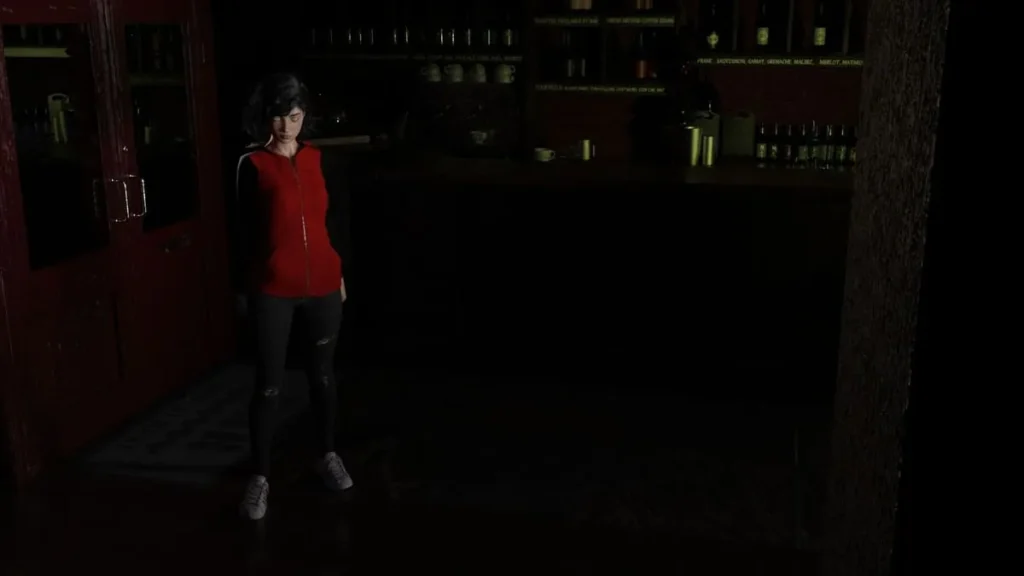
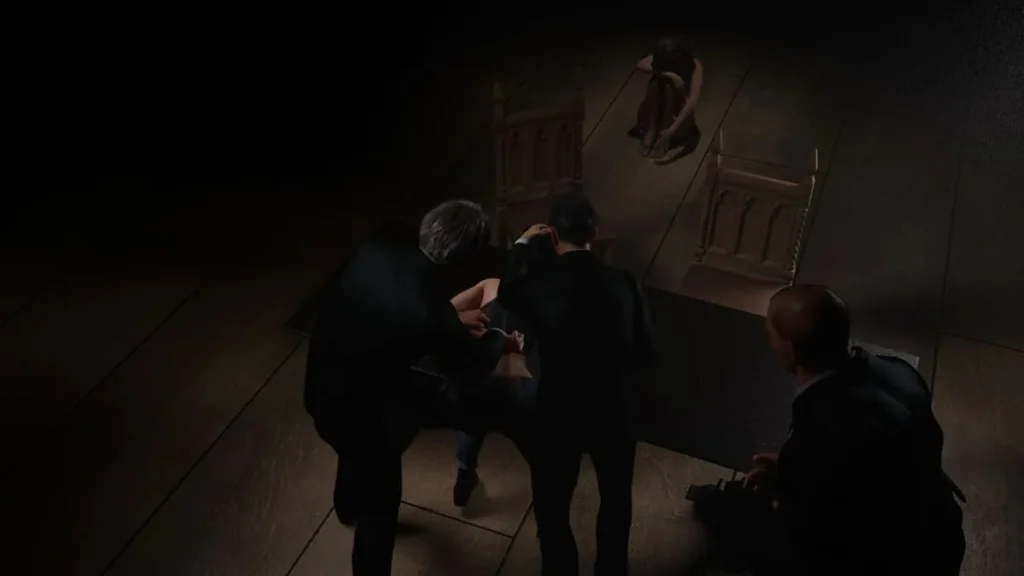
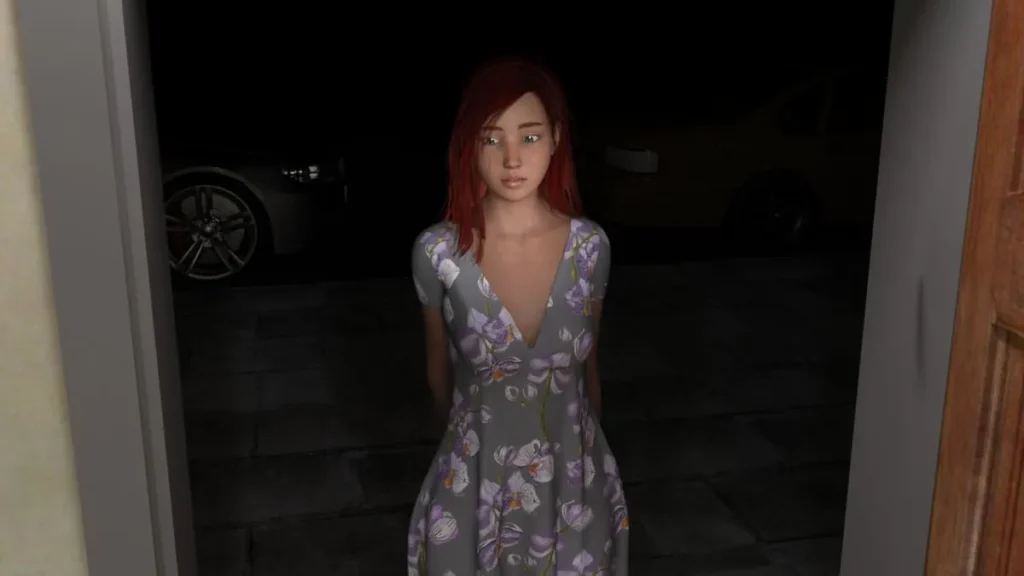



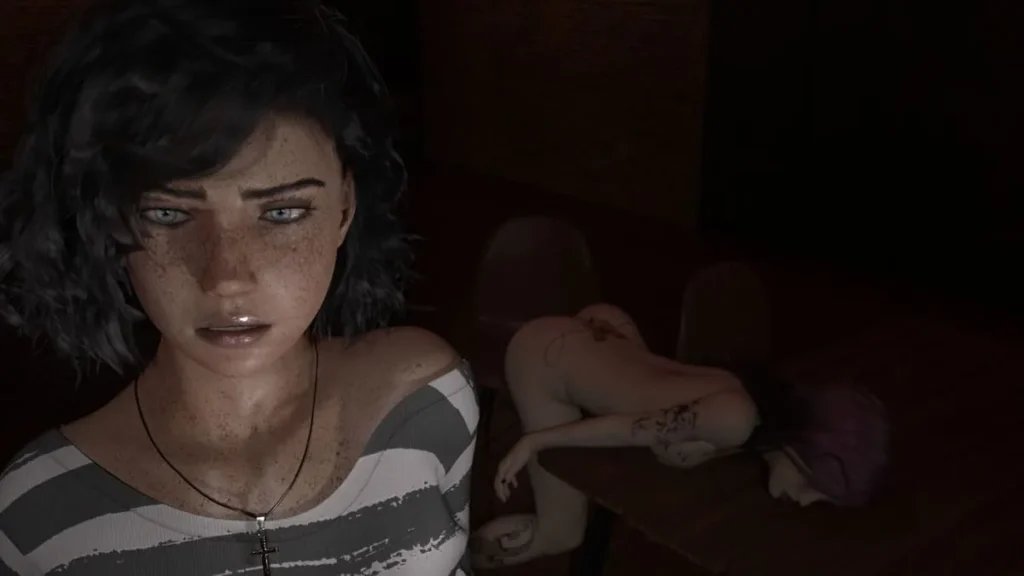








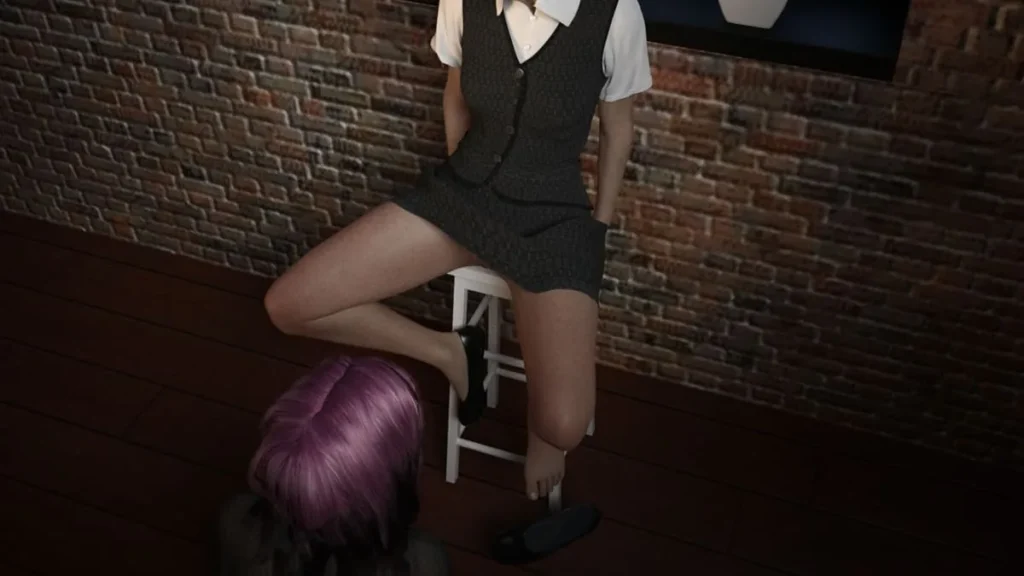

The Theater of Sinners review
Dive into the twisted tales of humiliation and choice in this gripping Ren’Py game
Imagine stumbling into a shadowy theater where every curtain hides a sin, and your choices script the downfall or redemption of broken souls. That’s The Theater of Sinners, the chilling Ren’Py visual novel by JustXThings that’s captivating players with its raw exploration of humiliation, corruption, and blurred morality. In this Theater of Sinners game, you weave through the lives of protagonists like Paula and Rebecca, facing brutal decisions that echo long after the screen fades. I first loaded it up late one night, expecting light thrills, but hours vanished as I unraveled their tormented paths. If you’re drawn to psychological depth in adult games, this one’s a must—stick around as we break down its haunting world, mechanics, and why it lingers.
Unveiling the Twisted World of The Theater of Sinners
It was one of those nights where the internet feels endless and every click leads you deeper down a rabbit hole. I stumbled across a forum thread describing a game where choices felt less like power and more like poison, where every “right” decision could unravel into something terrible. That’s how I first discovered The Theater of Sinners, a Ren’Py experience that hijacked my next several evenings. I was immediately hooked not by flashy graphics, but by a simple, chilling premise: what happens when people are pushed to their absolute breaking point, and the lines between victim and perpetrator blur into nothing? This isn’t your typical horror story with monsters jumping from closets; the terror here is human, psychological, and deeply personal. So, what is The Theater of Sinners about? At its core, it’s a masterclass in psychological horror visual novel design, weaving two devastating tales of corruption that ask you not just to watch, but to participate in the fall.
What Makes This Game’s Narrative So Addictive? 🎭
The magic—or perhaps the menace—of this game lies in its structure. Forget linear A-to-B storytelling. The Theater of Sinners narrative is a fractured, non-linear puzzle. You’ll experience pieces of Paula’s life, then be thrown into a pivotal moment from Rebecca’s past, with the timeline jumping between past and present. This isn’t just a stylistic choice; it’s the heart of the experience. You’re constantly connecting dots, understanding how a searing humiliation in one character’s youth directly fuels a cruel decision in another’s present.
This interleaving makes the Theater of Sinners storyline incredibly addictive. You’re never passive. Each flashback is a clue, each scene a piece of evidence in understanding the profound damage shaping these women. The game’s central metaphor, the Grand Théâtre des Ombres (Grand Theater of Shadows), isn’t just a location; it represents the stage upon which their deepest sins and traumas are performed and re-performed. The supernatural hint of this theater suggests our choices and pains might be part of a larger, darker play, elevating the personal horror to something eerily cosmic. It’s this blend of raw human psychology with a whisper of the otherworldly that defines the game’s unique pull.
Key Protagonists: Paula and Rebecca’s Dark Journeys 👥
The story’s power is forged in the fire of its two protagonists. Their paths are parallel studies in corruption, yet they feel devastatingly unique.
-
Paula’s Descent: The Paula Theater of Sinners arc is a story of privilege turned into a prison. As the daughter of a powerful, influential figure, her life seems gilded. But this status makes her a target. Bullied relentlessly by teen delinquents, Paula isn’t just beaten down; she is systematically broken and pushed into acts of deviance. Her journey is about the terrifying pivot from being a victim of external cruelty to internalizing that cruelty, asking if a soul can be so fractured that it adopts the very violence used against it. Playing her sections feels like witnessing a tragic, inevitable collapse.
-
Rebecca’s Crucible: In stark contrast, the Rebecca Theater of Sinners story begins in the grit of outright deprivation. Raised by an addict mother and a viciously abusive step-father, her world is one of survival from the start. Her tragedy is a classic, gut-wrenching cycle of abuse: she is becoming what she hates most. Her narrative explores how love can be twisted by trauma, how the desire for control can morph into cruelty, and whether someone forged in hell can ever recognize heaven. Rebecca’s choices often feel more actively fierce than Paula’s, making her path a compelling study in tragic agency.
Seeing their stories intertwine is where the Theater of Sinners storyline truly becomes brilliant. Their conflicts and connections create a complex web where blame is ambiguous and sympathy is constantly challenged.
| Character | Core Conflict | Catalyst for Change | Defining Theme |
|---|---|---|---|
| Paula | Victim of targeted bullying exploiting her social status | Being coerced from humiliation into active deviance | Corruption of Innocence, Twisted Identity |
| Rebecca | Survivor of foundational childhood abuse and neglect | The cycle of becoming the abuser to gain power | Cycle of Abuse, Tragic Empowerment |
Themes of Corruption and Moral Gray Areas Explored ⚫️⚪️
If you crave games that live in the shadows between right and wrong, this is your zenith. The Theater of Sinners is the ultimate moral ambiguity game. It refuses to give you easy outs or morally pure choices. You are navigating a landscape defined by:
* Humiliation & Brutality: These aren’t casual plot points; they are the engines of change. The game forces you to sit with uncomfortable scenes that explore how degradation can reshape a person’s core.
* Cycles of Abuse: From Rebecca’s childhood to Paula’s torment, the game meticulously charts how pain is inherited and perpetuated.
* Guilt & Redemption: Is redemption even possible in this world? The game poses the question but is often merciless in providing an answer, leaving the weight of guilt heavy on both the characters and the player.
* Complex D/S Dynamics & Twisted Romance: The game incorporates elements of BDSM not as titillation, but as a narrative language for power, control, surrender, and deeply damaged forms of connection. These dynamics are windows into the characters’ psyches.
As the developers themselves stated, this focus is intentional: > ‘This is a story of humiliation, corruption and brutality in a world where morals are grey.’
This commitment to gray areas is what cements its status as a premier psychological horror visual novel. The horror isn’t just in what you see; it’s in the questions it makes you ask yourself. “What would I do?” becomes a much scarier question than “How do I escape?”
To truly get the most from this dense, branching narrative, here’s my actionable advice:
Savor the Dialogue: Every line is a clue. Pay attention to what is not said, to the hesitations and the barbs. The truth of the Theater of Sinners narrative is often hidden between the lines.
Embrace Replays: The non-linear story is built for multiple playthroughs. Different choices don’t just lead to new endings; they reveal missing pieces of backstory that completely recontextualize character motives. To fully grasp the Theater of Sinners storyline, you must walk its various paths.
Sit with the Discomfort: Don’t rush through tense scenes. The game’s power is in its atmosphere—the unsettling, minimalist imagery, the haunting soundscape, the palpable silence. Let it all sink in.
In a landscape of visual novels, The Theater of Sinners stands out precisely because it doesn’t try to comfort you. It uses its non-linear flashbacks, its deeply flawed protagonists like Paula and Rebecca, and its unflinching look at dark themes to create an experience that is less about “winning” and more about understanding a beautifully painful tragedy. It’s a challenging, thought-provoking journey into the theater of the human soul at its most vulnerable and vicious, and that is an unforgettable performance.
We’ve journeyed through the shadows of The Theater of Sinners, from its gripping protagonists Paula and Rebecca to the moral mazes that define every choice. This Ren’Py gem shines by making you complicit in their corruption or salvation, blending psychological horror with raw human struggles in ways few games dare. My own playthroughs left me replaying branches, haunted by the consequences—it’s that powerful. If its twisted allure calls to you, download the latest 0.3 ALPHA 1 version today, dive in, and shape the sins on stage. Your decisions await; what path will you forge?