The Void of Deviance
Play The Void of Deviance
The Void of Deviance Screenshots
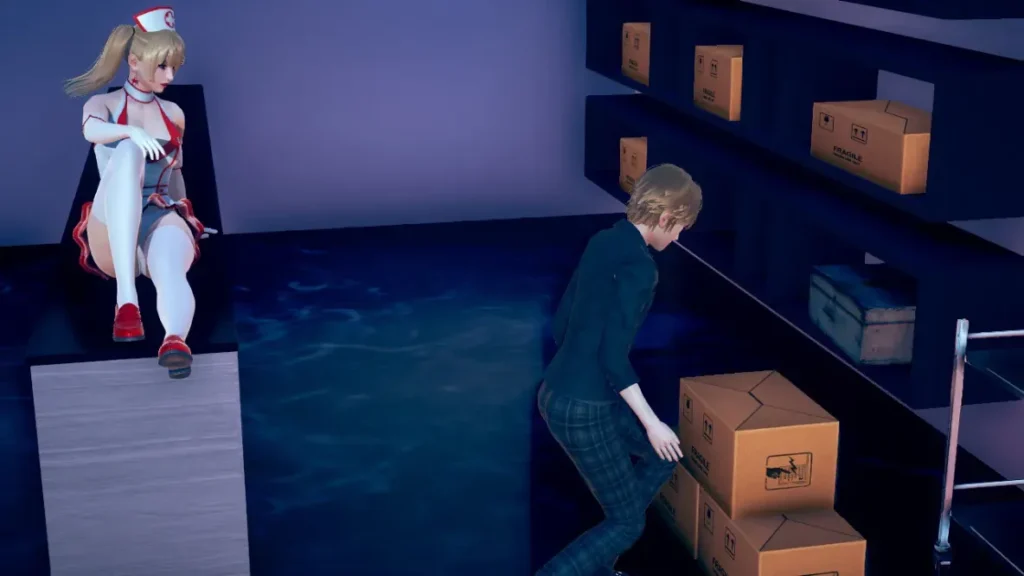
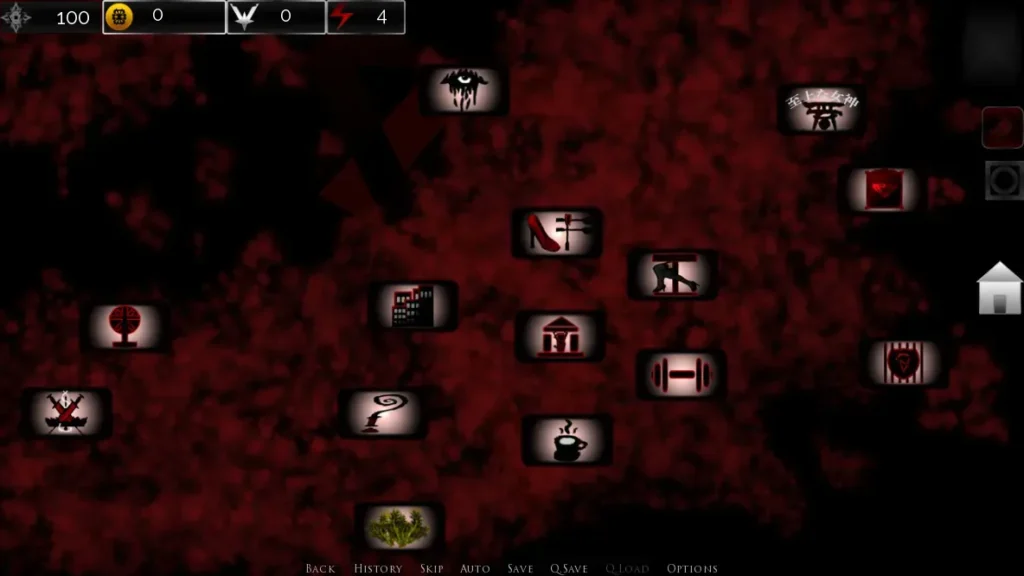
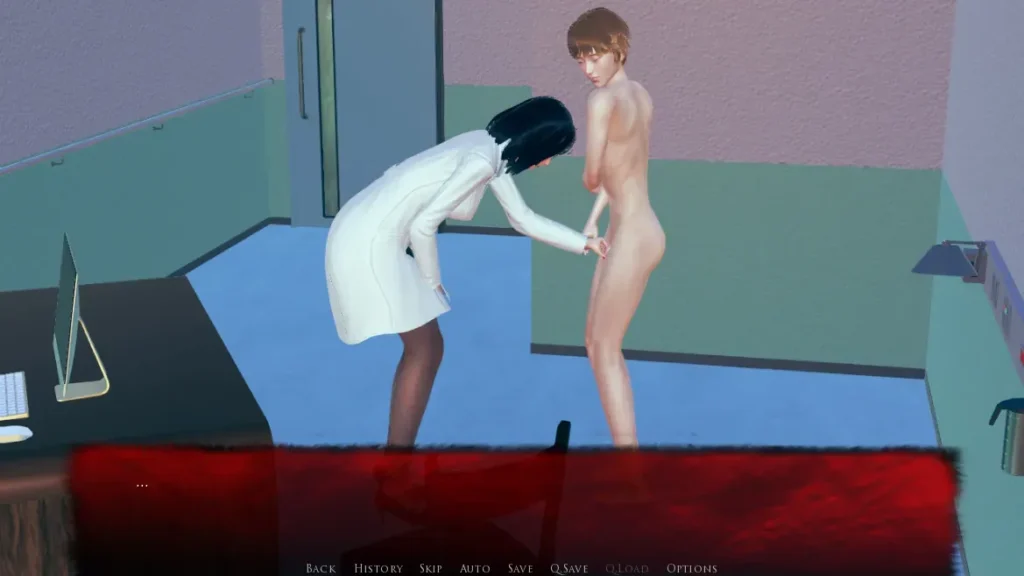
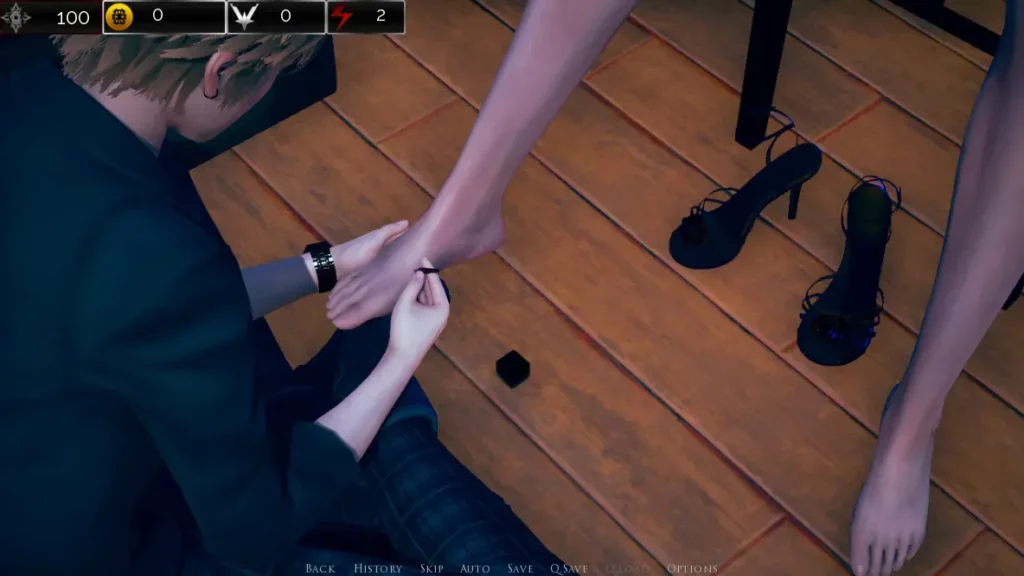
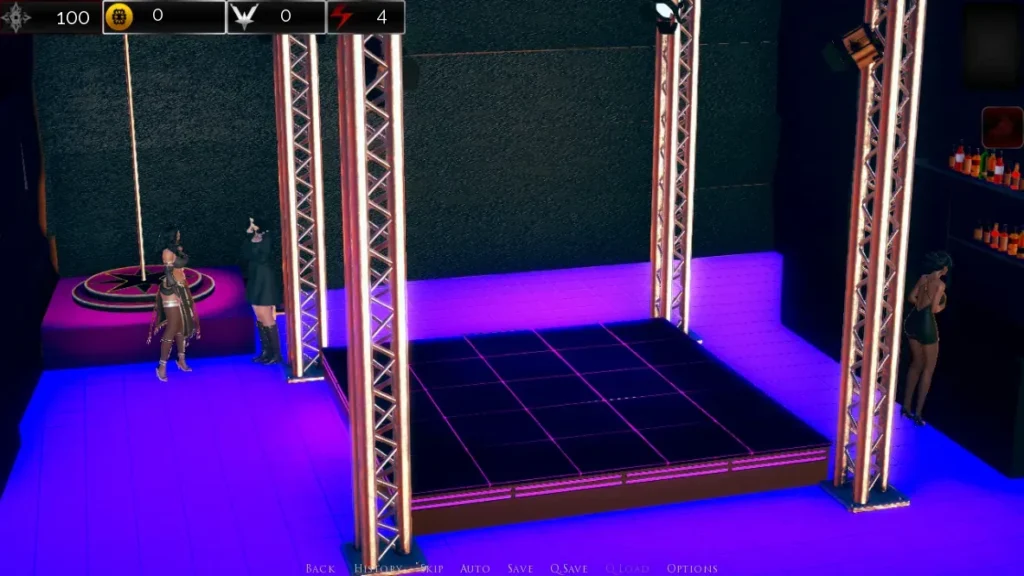
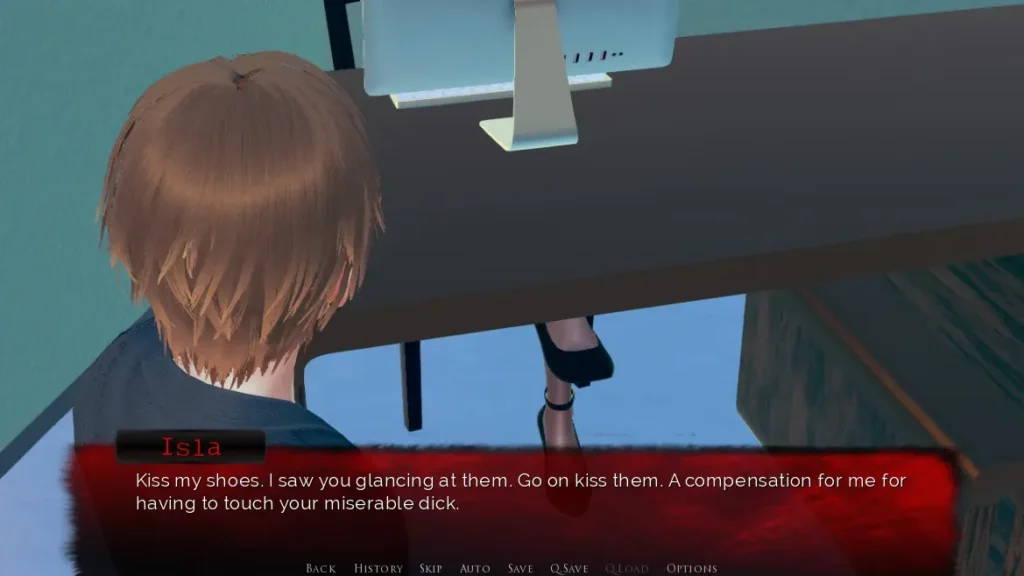
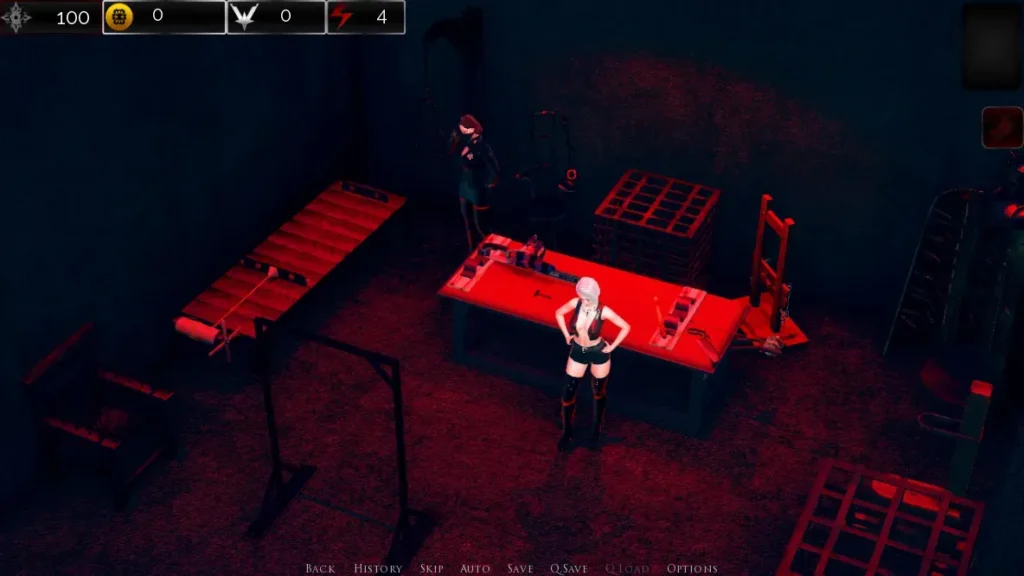
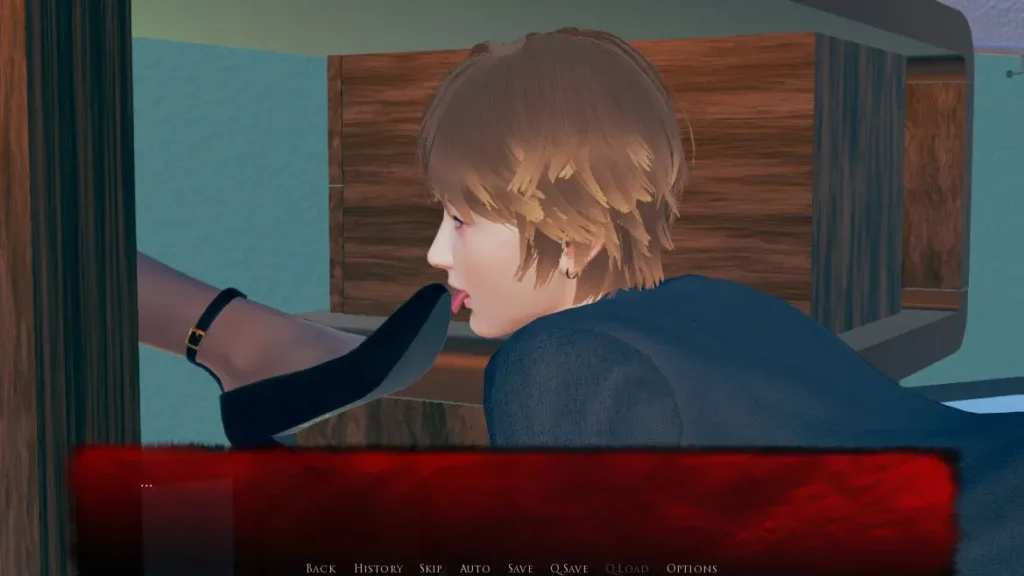
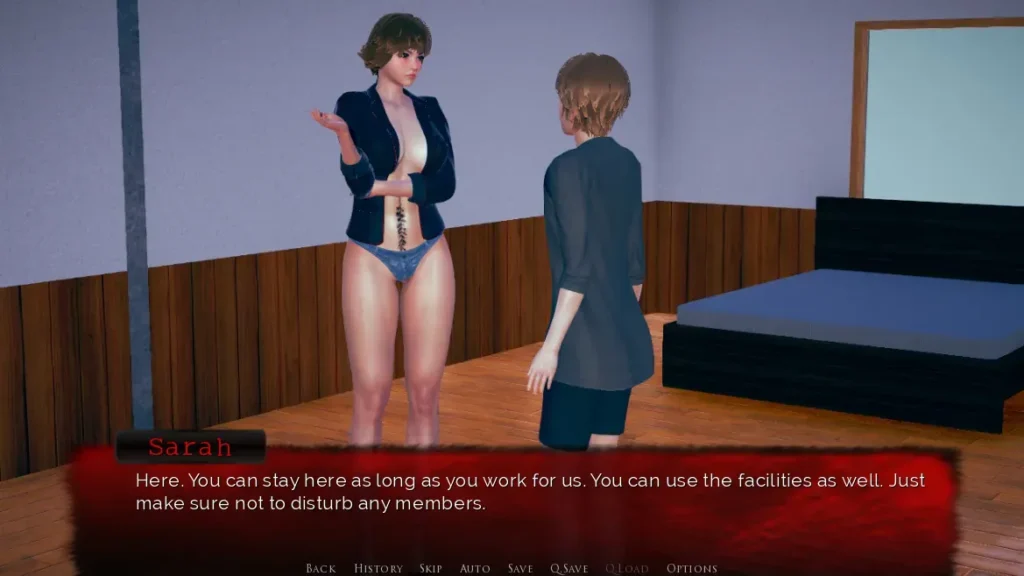
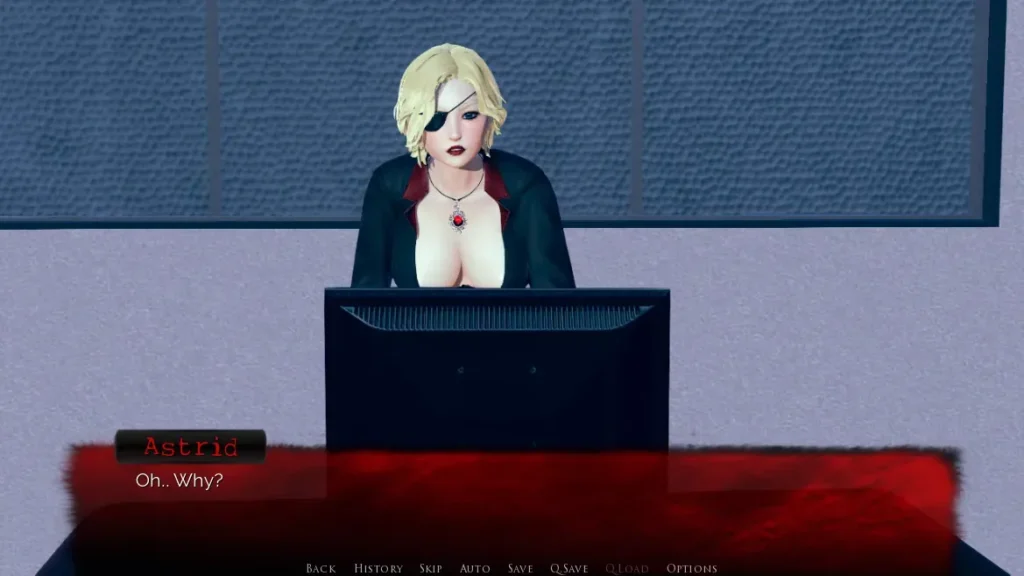
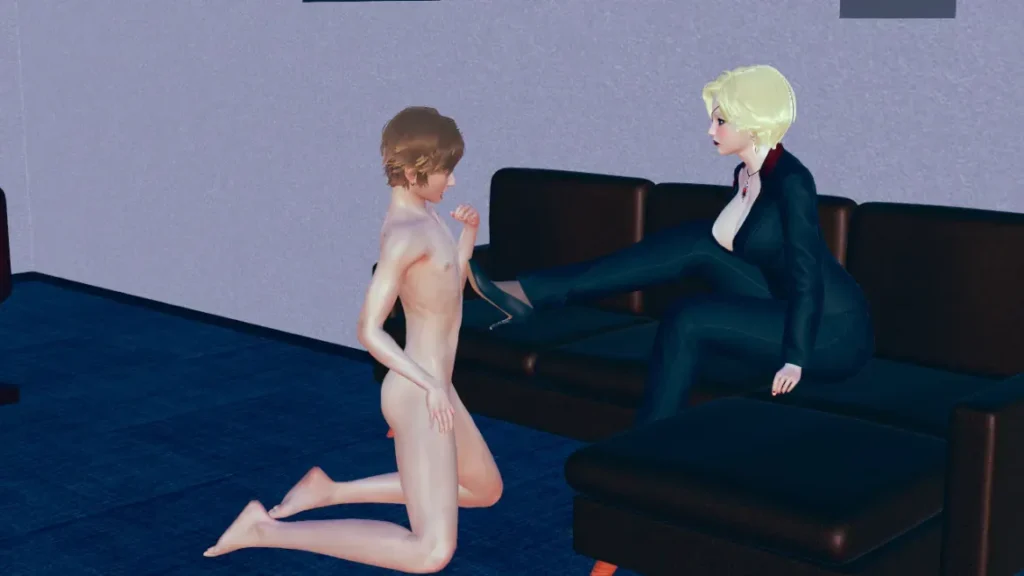
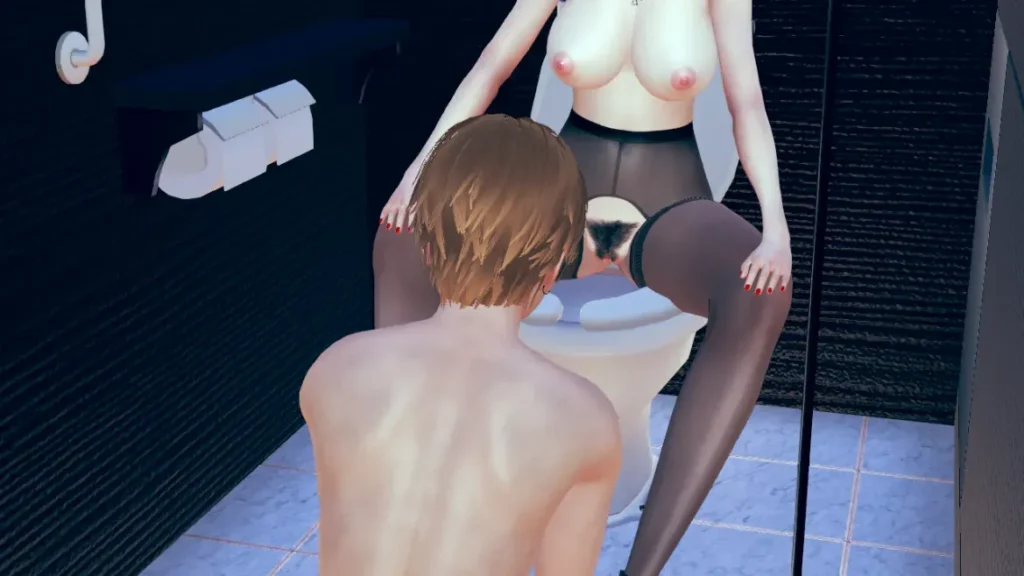

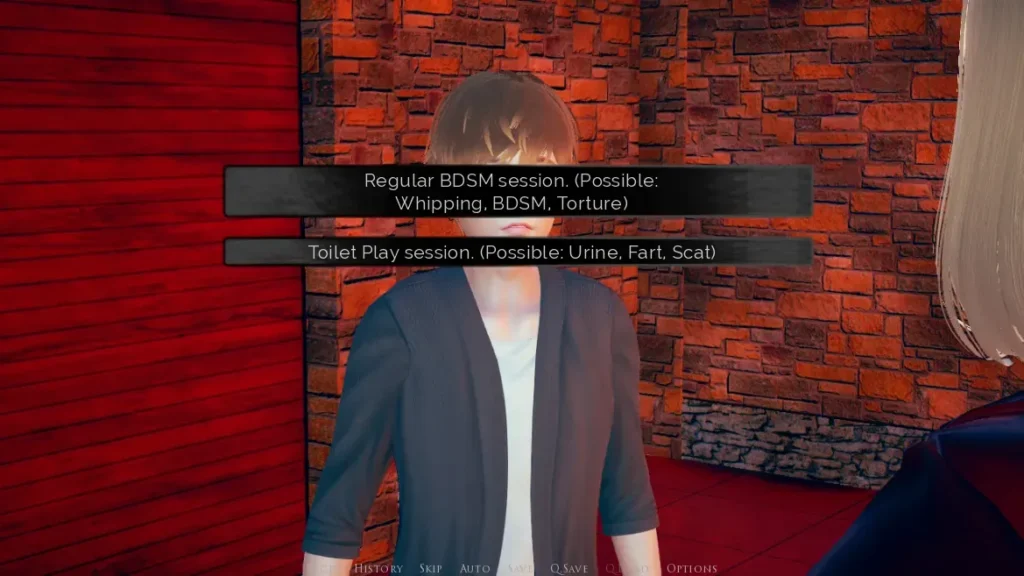
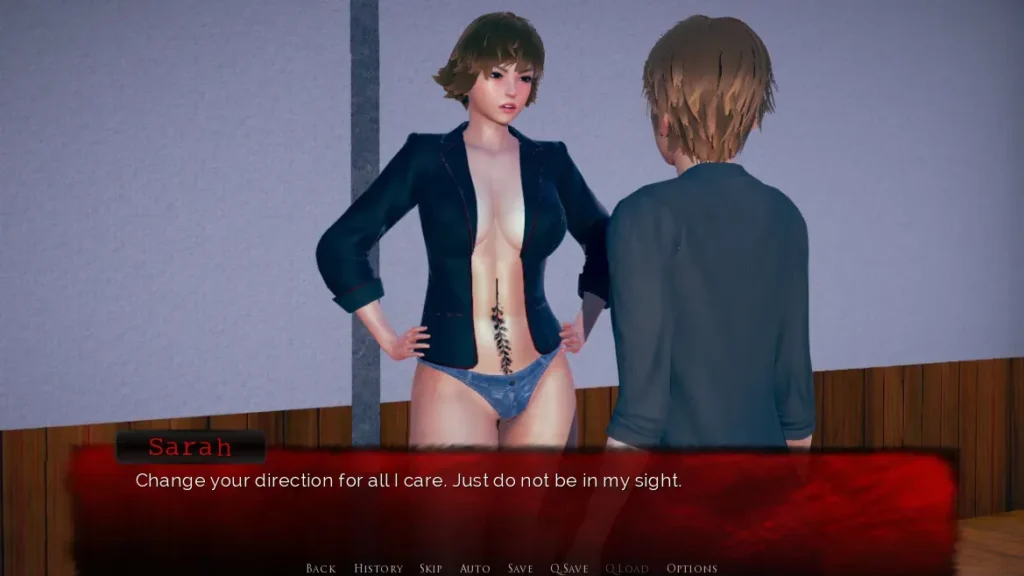
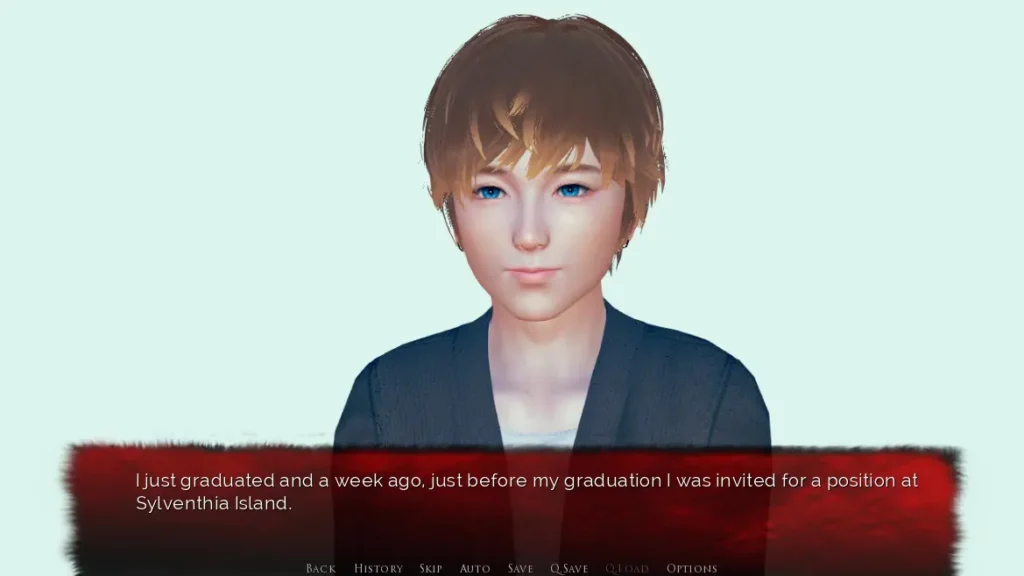
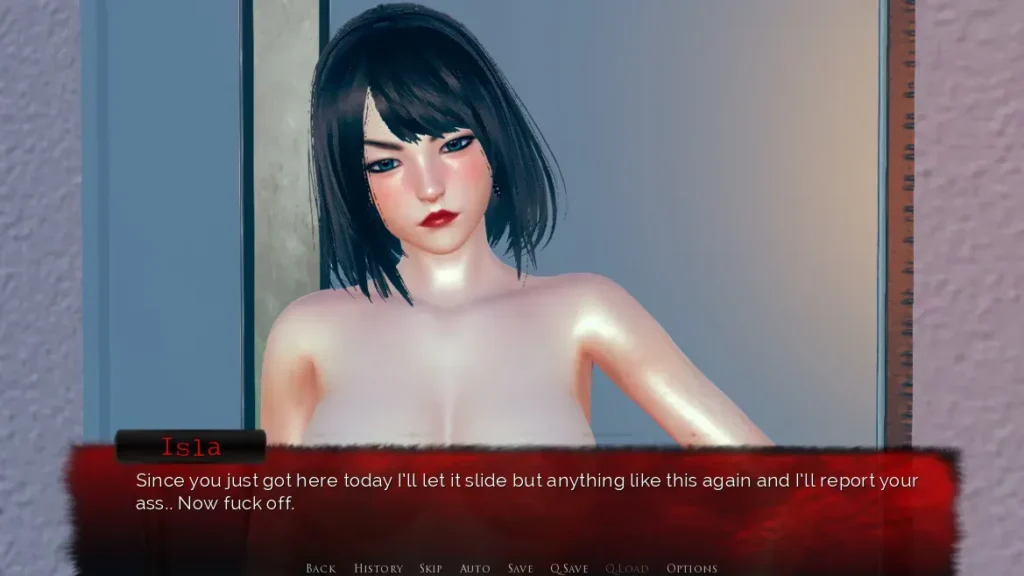

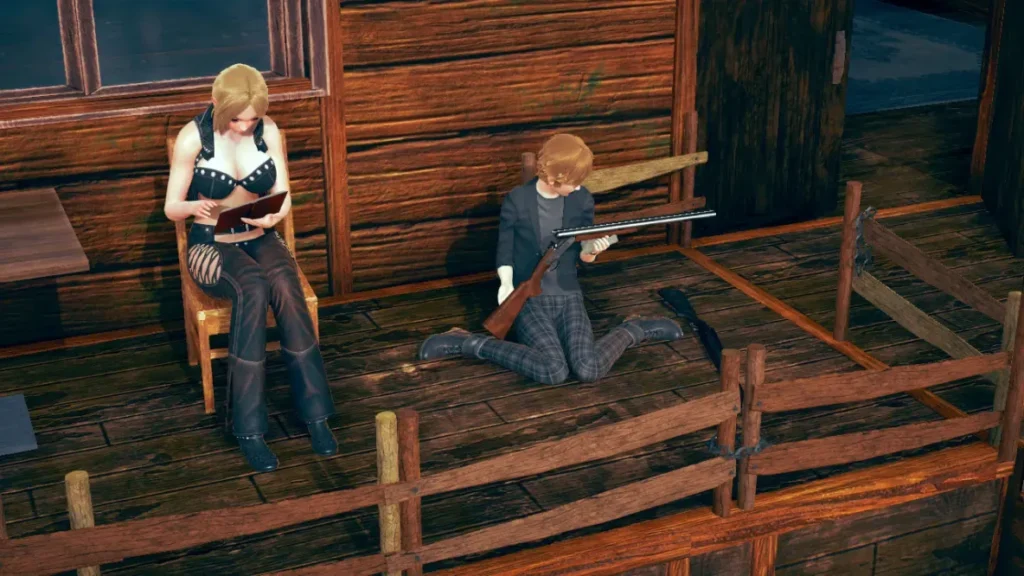
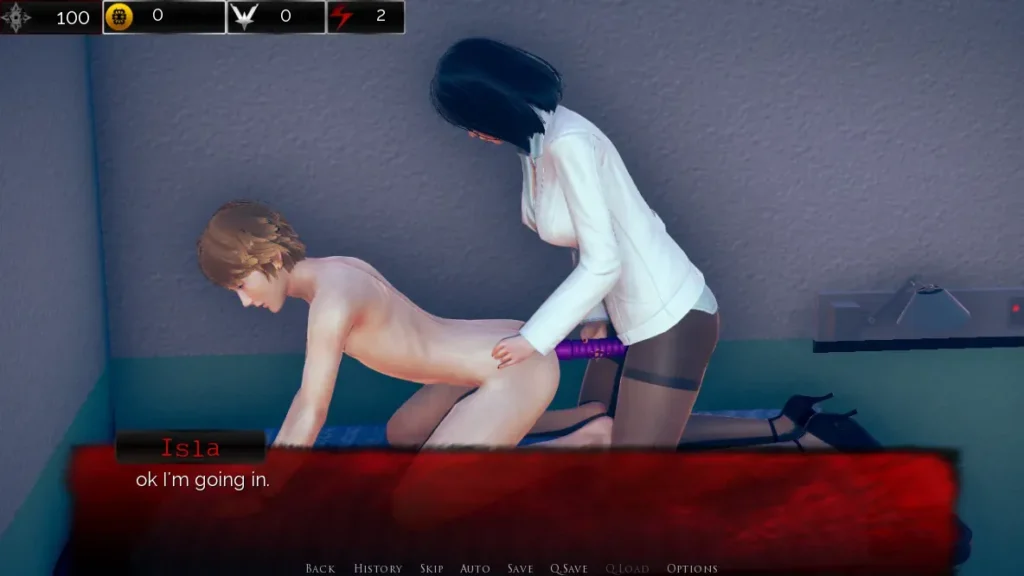
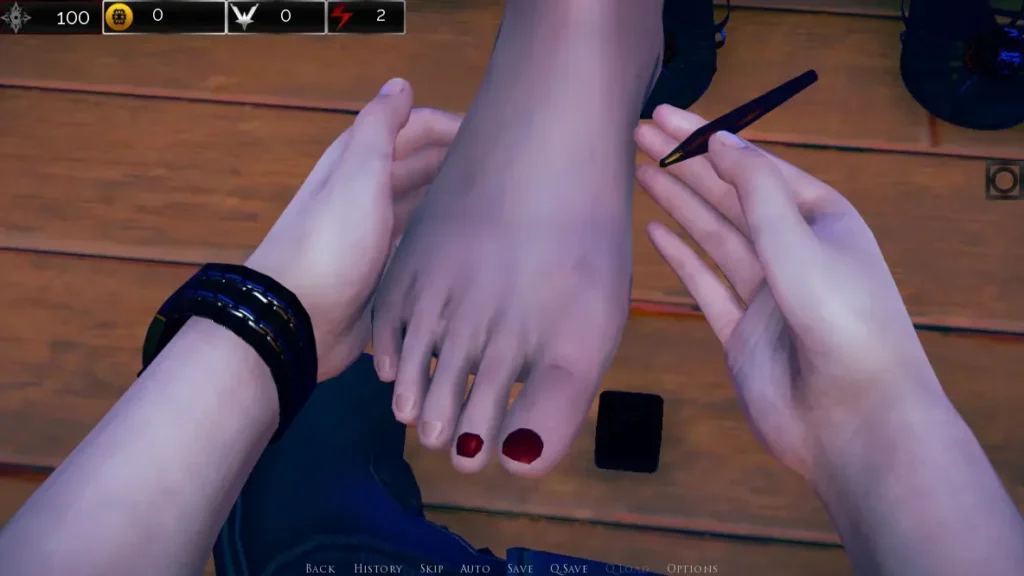
The Void of Deviance review
Exploring gameplay, themes, and player experience in The Void of Deviance
The Void of Deviance has become one of those underground titles that people whisper about in gaming forums, sharing screenshots, tips, and strong opinions. If you have ever stumbled across the name and wondered what this game actually offers, you are not alone. In this article, I will walk you through the core experience of The Void of Deviance, what it does well, where it stumbles, and how it feels to play from a personal, hands-on perspective. Whether you are deciding if it is worth installing or simply curious about its mechanics and themes, this breakdown will give you a clear, honest overview.
What Is The Void of Deviance and Who Is It For?
So, you’ve heard the name whispered in certain corners of the gaming web, a title that promises something more intense, more atmospheric, and decidedly for mature players only. You’re wondering: just what is The Void of Deviance? 🤔 Is it another fleeting distraction, or is there a substantial experience beneath its provocative surface? In this chapter, we’re pulling back the curtain to define this unique title and figure out exactly who it’s speaking to. Forget the hype and the hushed rumors; let’s talk plainly about what this game is and whether you might find a home in its haunting world.
At its core, The Void of Deviance game is a narrative-driven, choice-based experience that sits comfortably in the visual novel realm, but with a strong emphasis on interactive relationship-building and environmental exploration. You won’t be managing complex stats or engaging in real-time combat. Instead, you step into a carefully crafted, oppressive world where your decisions—from intimate dialogue choices to moral quandaries—directly shape the story and your connections with its deeply flawed inhabitants. The moment-to-moment gameplay is a blend of exploration, conversation, and pivotal decision-making, all wrapped in a stunning, moody visual presentation.
The premise drops you into a decaying, neo-noir metropolis, a place where glamour and grit are two sides of the same tarnished coin. The tone is persistently melancholic and tense, achieved through a masterful blend of muted, shadow-drenched art direction, a somber, haunting soundtrack, and prose that focuses on internal turmoil and atmospheric dread. This isn’t a world of heroes; it’s a world of survivors, manipulators, and those searching for fractured connections in the dark. It’s crucial to state upfront that The Void of Deviance is designed explicitly for adults. Its content, including mature themes, strong language, and explicit intimate scenes, is integral to its storytelling and is not suitable for younger audiences.
Regarding that adult content, it’s woven directly into the narrative fabric rather than feeling tacked-on. The frequency varies based on your choices, but it never feels gratuitous within the context of the story. The game uses these moments to reveal character vulnerability, power dynamics, and narrative consequences. Think of it as a mature drama where the intimate scenes are a part of the character development, not the sole purpose of the plot.
To quickly summarize the essence of The Void of Deviance, here are its core traits:
* Genre Style: A choice-driven visual novel with light exploratory elements.
* Narrative Focus: Heavy, character-centric storytelling where your decisions branch the plot and relationships.
* Target Audience: Mature players (18+) seeking an atmospheric, story-rich experience.
* Tone: A melancholic, neo-noir thriller with psychological and romantic elements.
How would you describe The Void of Deviance to a new player? 🎮
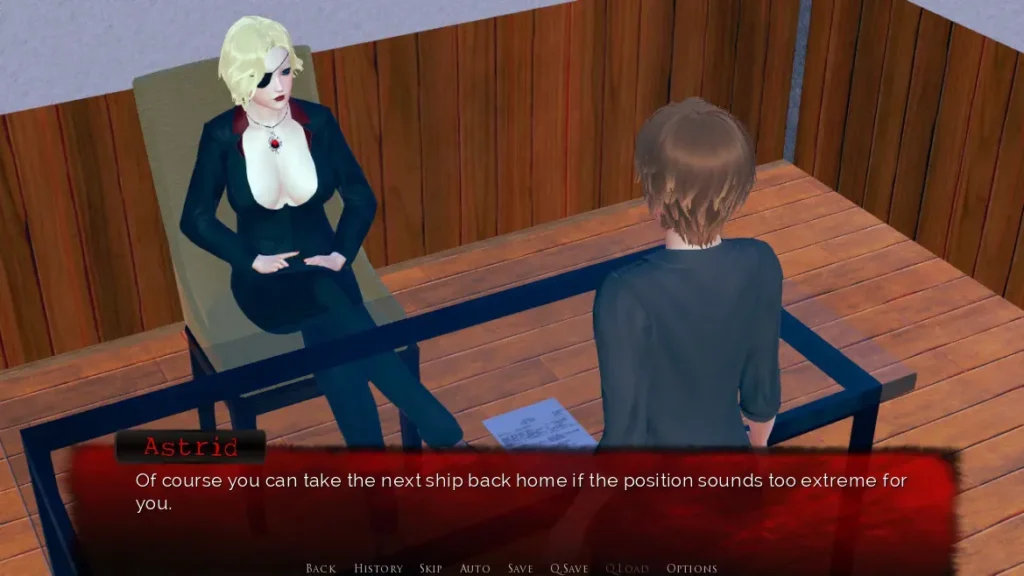
If I had to explain The Void of Deviance to a friend over coffee, I’d say: Imagine you’re the protagonist of a deeply atmospheric, psychologically tense graphic novel. Your controller (or mouse) is your agency, used to navigate through beautifully painted, gloomy locations, choose your words carefully in conversations that crackle with subtext, and make decisions that feel heavy with consequence. You’re not just watching a story about damaged people in a broken city—you’re actively navigating the fragile alliances and risky attractions between them.
What do you actually do? You’ll spend your time:
1. Exploring: Moving between key locations in a district, soaking in the detailed backgrounds and occasionally clicking on environmental details to learn more about the world or discover small narrative secrets.
2. Conversing: Engaging in dialogues that are the true heart of the game. Choices here aren’t just about being “nice” or “mean”; they’re about vulnerability, strategy, desire, and self-preservation. A single reply can alter a character’s trust in you or open up a new story path.
3. Choosing: Facing major narrative crossroads. These are the big moments the game builds toward, often with a timer ticking down to pressure your instinct. There are no clear “good” or “bad” endings, only outcomes that feel earned based on the relationships you’ve cultivated.
This gameplay overview for The Void of Deviance highlights an experience that is deliberate, thoughtful, and immersive. It’s for players who want to inhabit a role and a world, not just blast through it. The “game” is in the act of role-playing and managing the delicate ecosystem of the story.
My first impressions after a few hours with The Void of Deviance ✨
Bootinag up The Void of Deviance for the first time, I was immediately struck by its confidence. The menu is minimalist, accompanied by a slice of that gorgeous, sorrowful soundtrack. There’s no bombastic intro movie—just you, a “New Story” option, and a palpable sense of mood.
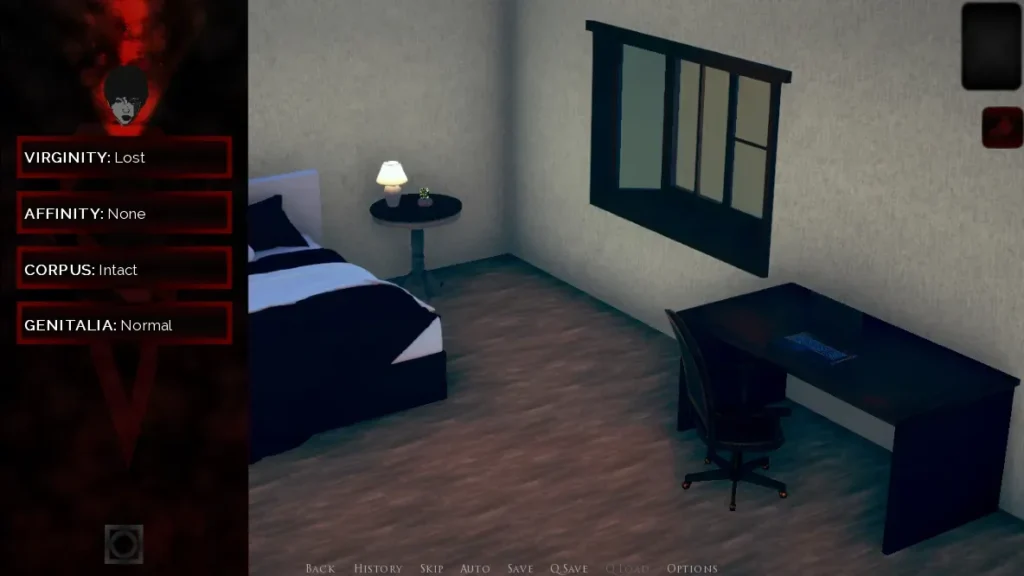
The opening sequence is a masterclass in environmental storytelling. You’re placed in your character’s modest apartment as rain streaks down the window. The game doesn’t yell its plot at you; it whispers. Through internal monologue and the simple act of looking at objects—a half-empty bottle, a missed call on a retro-style phone, a flickering neon sign across the street—the game establishes a profound sense of loneliness and world-weariness within minutes. The tone isn’t just revealed; it descends upon you. I was surprised by how quickly I felt settled into this character’s shoes, not because I knew their backstory, but because I understood their feeling.
An early choice that stood out involved a chance encounter in a rain-slicked alley. A character, who clearly had their own dangerous problems, offered a seemingly simple favor. The game presented three responses, none labeled clearly as the “safe” option. I chose the one that felt cautiously empathetic, and the subtle shift in the character’s expression—a slight easing of their defensive posture—felt like a genuine reward. It proved that the The Void of Deviance gameplay mechanics were finely tuned to deliver nuanced feedback.
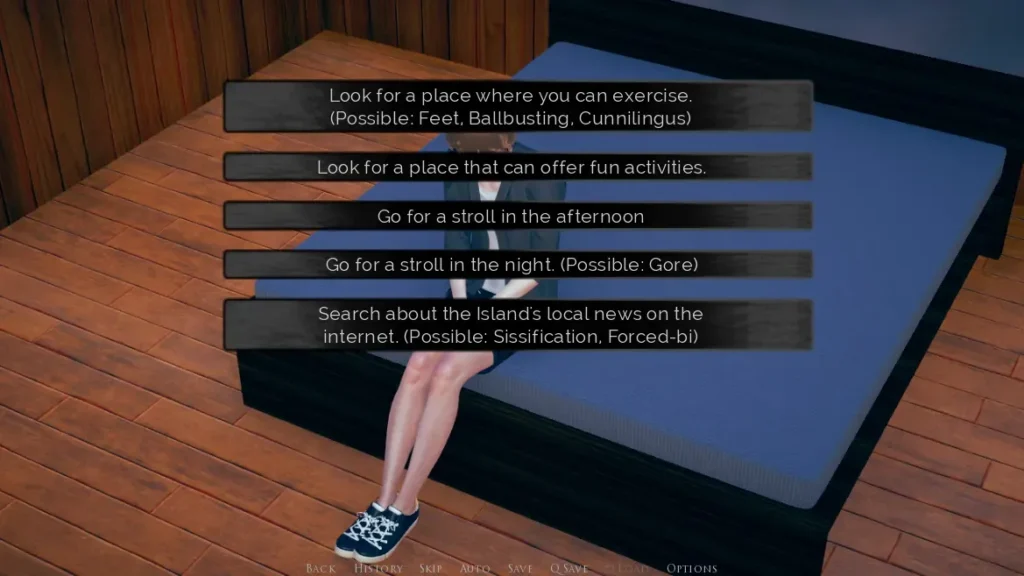
The interface is mostly clean, with dialogue options clearly displayed. However, I’ll note an early weakness: the backlog/scene history feature felt a bit tucked away, and during a rapid-fire emotional conversation, I wished I could more easily re-read a previous line. Onboarding is smooth for players familiar with visual novels, but someone entirely new to the genre might need a moment to adjust to the entirely cursor-driven, choice-based pace.
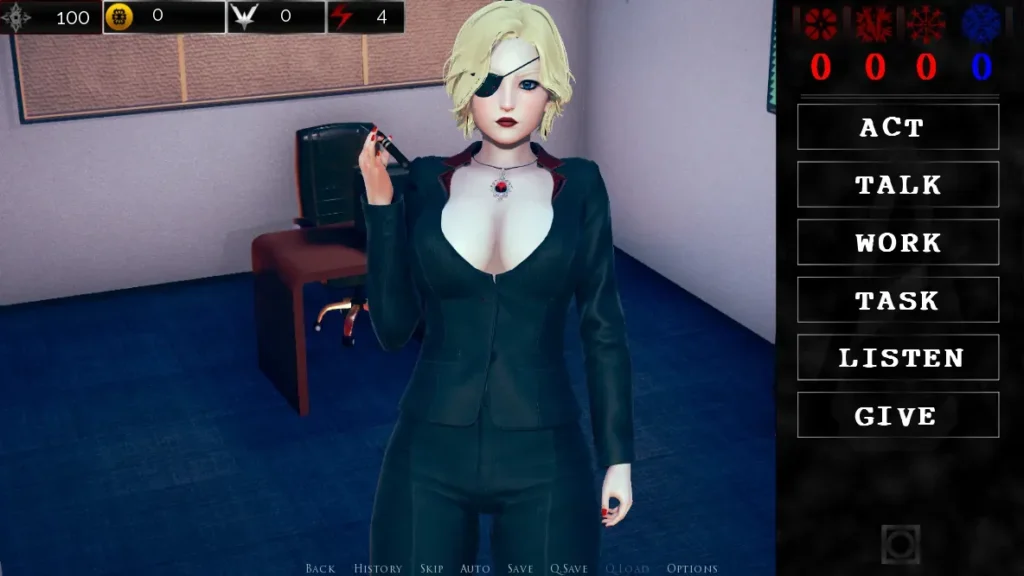
My The Void of Deviance first impressions were overwhelmingly positive regarding its artistic strengths. The character art is exceptional, with expressions that convey a library of unspoken thoughts. The writing is sharp, favoring introspective and evocative descriptions over plain exposition. On the flip side, the pacing is intentionally slow—a strength for mood, but a potential weakness if you crave immediate action. This is a slow-burn in every sense, and the game is not afraid to let you sit in quiet, uncomfortable moments.
Who is the ideal audience for The Void of Deviance? 🎯
So, after peeling back its layers, who is The Void of Deviance for? This is perhaps the most important part of our The Void of Deviance review. Let’s break down the perfect player profile and who might want to look elsewhere.
You will likely LOVE The Void of Deviance if you:
* Prioritize narrative and mood over mechanics. If you play games to get lost in a story and a world, this is built for you.
* Enjoy slow-burn, psychological storytelling. Think of it like a bingeable, interactive TV drama.
* Love replaying games to see different outcomes. The branching paths based on relationships are a major draw.
* Appreciate striking visual art and a strong audio atmosphere. The presentation is a top-tier feature.
* Are comfortable with and seek out mature, character-driven themes in your entertainment.
You might feel disappointed by The Void of Deviance if you:
* Need fast-paced action, puzzles, or strategic depth. The “gameplay” here is purely narrative navigation.
* Prefer power fantasies or clear heroic journeys. This is a world of grays and personal, often messy, resolutions.
* Get impatient with deliberate pacing. Scenes linger to build atmosphere, which some may find slow.
* Are uncomfortable with explicit adult content integrated into a story, even when it’s contextually driven.
To help visualize the core appeal, here’s a breakdown of what this game offers at its heart:
| Gameplay Pillar | What It Delivers | Player Mindset Required |
|---|---|---|
| Narrative & Choice | Branching, character-driven stories where decisions carry tangible weight in relationships and plot direction. | Thoughtful, role-play oriented, curious about consequences. |
| Atmosphere & Style | A dense, neo-noir mood built through consistent art, music, and writing. The world itself is a character. | Immersive, patient, appreciative of aesthetic cohesion. |
| Character Relationships | Deep, interactive connections that are built, broken, or romanced through dialogue and key choices. | Engaged, empathetic (or strategically manipulative), invested in personal dynamics. |
Ultimately, the question is The Void of Deviance worth playing has a clear answer, but only for a specific audience. It is absolutely worth it if you’re in the market for a mature, atmospheric, and emotionally resonant narrative experience. It’s not a game you “play” in the traditional, skill-based sense; it’s a world you navigate and a story you co-author through feeling and choice.
My final, early verdict? This isn’t just content for content’s sake. The Void of Deviance game is a compelling, artistically confident narrative adventure that knows its audience and serves them a rich, if somber, feast. If the description above lit a spark of interest, then your first impressions will likely confirm you’ve found something special. Read on in our next chapters where we’ll dive deeper into the story themes and advanced player strategies.
💡 Quick Tip: If you’re intrigued but unsure, think of the game as an interactive, R-rated graphic novel. Your enjoyment will hinge almost entirely on your desire to engage with that format and its mature themes.
Frequently Asked Questions (FAQ)
Q: Is The Void of Deviance a single-player game?
A: Yes, absolutely. It is a purely single-player, narrative-focused experience designed for personal immersion.
Q: How story-heavy is The Void of Deviance?
A: It is almost entirely story-driven. The gameplay exists solely to facilitate and shape the narrative. If you don’t enjoy reading dialogue and making narrative choices, this isn’t the game for you.
Q: What platforms is it available on?
A: Typically, games of this style are released on PC (via platforms like Steam or itch.io). Always check the official channels for the most current platform information.
Q: How long is a typical playthrough?
A: Given its branching paths, length can vary significantly. A single focused path might take several hours, but seeing multiple major outcomes requires replays, greatly extending the total playtime.
Q: Is there a lot of explicit content?
A: It features adult scenes that are part of the story. Their frequency depends on your choices, but they are presented as narrative beats within the mature themes of the game, not as standalone features.
By now you should have a clear, grounded sense of what The Void of Deviance offers, how it feels to play, and whether its blend of story, mood, and interactive scenes matches your own tastes. Approaching it with realistic expectations is the best way to appreciate what it does well, from its atmosphere and character work to the way it invites you to explore different routes at your own pace. If the themes, pacing, and style described here sound appealing, consider giving The Void of Deviance a careful, intentional try and forming your own opinion based on a full playthrough.