Play Thirty Days
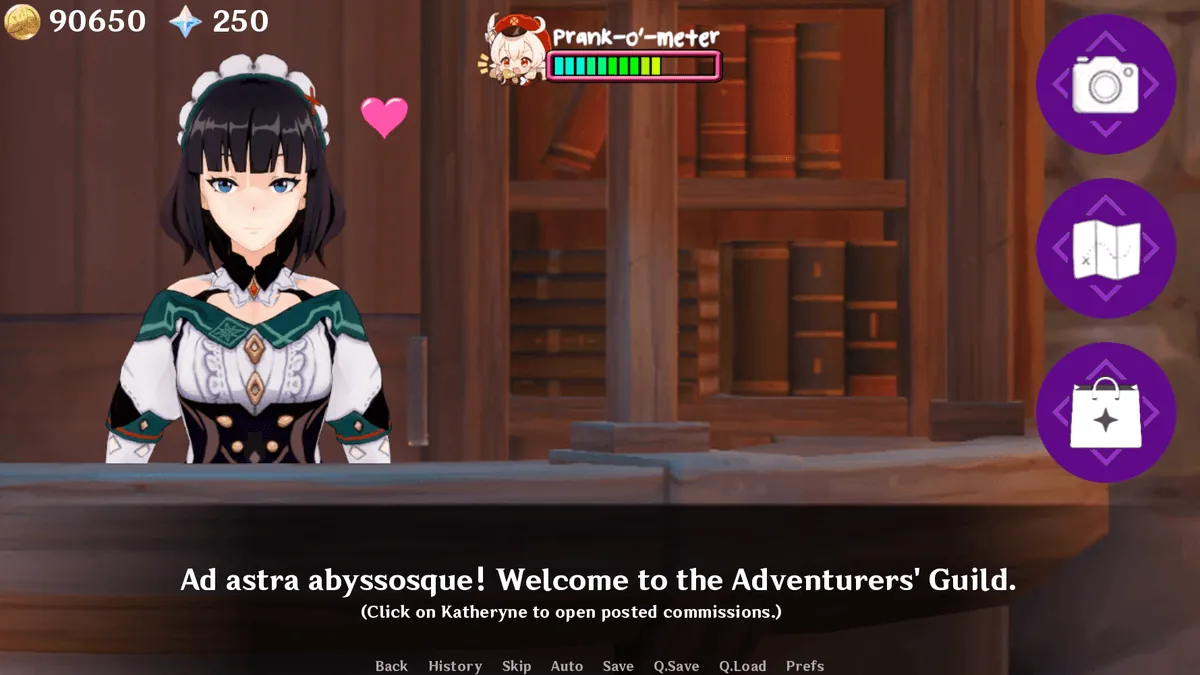
Thirty Days Screenshots


















Thirty Days review
Master the narrative-driven visual novel where every decision shapes your story
Thirty Days stands out as a choice-driven visual novel that fundamentally reimagines interactive storytelling. Unlike traditional games with predetermined narratives, this experience places you at the center of a transformative month-long journey where every decision—from casual conversations to major life choices—directly shapes character development and story outcomes. Whether you’re guiding fraternal twins through their personal growth, navigating complex relationships with multiple characters, or uncovering branching storylines that respond organically to your actions, Thirty Days delivers unprecedented narrative depth. This comprehensive guide explores the game’s innovative mechanics, character systems, and strategic approaches to unlocking diverse endings.
Understanding Thirty Days: Core Gameplay Mechanics and Narrative Structure
Ever felt like you were just following a script in a story-based game? 😩 You know the feeling—you pick a dialogue option, and the character says almost exactly what you expected, maybe with a slightly different tone. The path might branch, but it often feels like you’re just choosing which pre-written corridor to walk down. If that sounds familiar, then you’re exactly who Thirty Days was made for. This isn’t your typical visual novel; it’s a living, breathing social experiment where your attention is the most valuable resource you have.
I remember my first playthrough. I treated it like any other narrative-driven game, rushing through conversations, trying to “solve” characters like puzzles. I failed miserably. My protagonist ended the month isolated and unhappy because I didn’t grasp one core truth: in Thirty Days, the tiny, quiet moments matter just as much as the dramatic declarations. This is a choice-driven visual novel that remembers everything, rewarding patience and punishing thoughtlessness in the most beautifully organic ways.
Let’s break down exactly how this unique experience works, from its ticking clock to the hidden gears driving every relationship.
What Makes Thirty Days Different From Traditional Visual Novels
Think of a classic visual novel as a “choose-your-own-adventure” book. You reach a pivotal page, make a choice, and flip to a specific section to continue that thread. The structure is largely linear, with branching points that lead to distinct endings. Thirty Days gameplay mechanics throw that entire model out the window. Instead of branching paths, it creates a branching universe of cause and effect.
The key difference is agency and density. In many traditional titles, your choices often serve as keys to unlock specific scenes or endings. In Thirty Days, choices are more like seeds you plant. Some sprout quickly, others lie dormant for weeks, and others might never grow at all depending on the emotional climate you cultivate. There is no single “romance route” or “friendship path” you click on at a menu. Instead, you navigate a dynamic world where every character has their own independent schedule, mood, and memory.
Your role isn’t to follow a story, but to live a life within one. The interactive storytelling here is less about directing a plot and more about managing attention and emotional investment.
The game’s central premise—a 30-day social experiment—isn’t just flavor text. It’s the core engine. You can’t reload an old save to see “what if” without sacrificing the entire feeling of forward momentum. This creates an unparalleled sense of consequence. That offhand comment you made on Day 5? It might become the reason someone trusts you with a secret on Day 18, or refuses your help on Day 25. This web of branching storylines isn’t messy; it’s brilliantly realistic.
The 30-Day Calendar System and Daily Decision Framework
Here’s where the 30-day calendar game structure truly shines. Each morning, you wake up in your apartment, and the calendar on the wall is your constant companion. You have a limited number of actions per day—time blocks you can spend on different activities. Will you go to work to earn some extra cash? 💼 Visit the local cafe where a few characters hang out? 📚 Or maybe just stay home and rest, boosting your energy for a more important tomorrow?
This isn’t just a menu. It’s a simulation of life’s most limited resource: time. You cannot do everything. You must choose, and those choices define your protagonist’s world. Neglect your job, and you might not have money for a crucial event later. Constantly chase one person, and others will notice your absence. The calendar is the backbone of the Thirty Days gameplay mechanics, forcing you to think strategically about both immediate desires and long-term goals.
Every interaction within these time blocks is built on the Daily Decision Framework. Let’s look at how a typical morning choice can ripple outward.
| Choice Type | Immediate Impact | Long-term Effects & Organic Consequences |
|---|---|---|
| The Encouraging Friend “Your photography is amazing! You should enter that contest.” |
+Small boost to character’s Confidence (hidden). They smile and thank you. | Days later, they might mention they entered the contest because of you. Weeks later, they could win, leading to a unique celebration event, or lose, requiring comfort. Your early support becomes a cornerstone of their arc. |
| The Self-Absorbed Reply “Yeah, cool. Anyway, guess what happened to ME today?” |
No visible change. Conversation moves on awkwardly. | Their Confidence stat may subtly drop. Later, when they have big news, they might share it with someone else instead of you. A potential close moment is permanently lost. |
| The Practical (But Cold) Option “Are the prizes any good? Seems like a lot of effort.” |
Character becomes slightly defensive about their hobby. | They may stop sharing creative passions with you, locking you out of a softer, more vulnerable side of their personality. Your relationship becomes more transactional. |
See what happened there? None of these choices are “right” or “wrong” in a moral sense, but they are meaningful. They don’t just change a dialogue tree; they alter a character’s internal state and your future potential with them. This framework is applied to hundreds of micro-decisions, from what to eat for breakfast (affecting energy) to whether you listen fully to someone’s problem or just offer a quick fix. This dense layer of interactive storytelling is what makes every playthrough genuinely unique.
How Character Stats and Hidden Metrics Drive Your Story
Now, let’s peek under the hood at the real magic: the character stat system. If the calendar is the game’s skeleton, these hidden metrics are its nervous system. You never see a traditional stat screen with numbers like “Love: 75/100.” Instead, the game tracks a series of internal values for your protagonist and every character you meet.
These include:
* Happiness: Your general contentment. High Happiness opens up positive dialogue options and makes negative events less damaging.
* Confidence: Affects your ability to take social risks, be assertive, or perform well in certain tasks.
* Trust (by character): The foundational metric for every relationship. Built slowly through consistency and empathy.
* Affinity (by character): A separate measure of how much they like you, influenced by shared interests and supportive actions.
* Energy: The literal fuel for your daily actions. Neglect sleep and relaxation, and you’ll have fewer quality interactions.
These stats are in constant flux. Complimenting someone might boost their Confidence while also boosting your Happiness for making them smile. Standing up for a colleague could skyrocket their Trust in you but drain your Energy from the confrontation. The game’s genius is that these calculations happen seamlessly in the background. You feel their effects, not see their numbers.
Let’s walk through that concrete example. On Day 7, you find Leo strumming a guitar awkwardly in the common room. You have a choice:
1. Encourage him (“Keep at it, everyone starts somewhere!”).
2. Tease him gently (“Trying to scare the birds away?”).
3. Ignore him and walk to the kitchen.
Say you choose to encourage him. This action plants a “seed.” It gives a small, hidden boost to Leo’s Confidence and flags a shared interest in music.
Fast forward to Day 15. Because of that earlier flag, you might have a new option to invite him to a record store you read about—an option that wouldn’t exist if you’d teased or ignored him. You go, and his Trust increases.
Now, on Day 22, a major event occurs: a neighborhood block party. Here’s where the branching storylines diverge organically based on your cultivation:
* If you nurtured the music thread: Leo might nervously ask if you think he should play a short song at the party. Your support here, built over two weeks, could lead to a triumphant, bonding moment or a sweet, failure-fueled heart-to-heart.
* If you dropped the thread after Day 7: Leo doesn’t mention music. He might just be another face in the crowd, and that potential storyline remains dormant.
* If you originally teased him: He might be actively hiding his guitar practice from you now. You could overhear him playing beautifully for someone else, creating a moment of poignant regret about your early flippancy.
This is the power of the hidden character stat system. It transforms a linear sequence of events into a dynamic character arc that you co-author. You’re not picking endings from a list; you’re earning or losing possibilities through a thousand tiny investments. Your management of these hidden Thirty Days gameplay mechanics is what separates a shallow, lonely playthrough from a rich, emotionally resonant one where your choices truly feel like your own.
Mastering Thirty Days means embracing its philosophy: life isn’t about grand, singular decisions, but about the pattern of small ones you make every day. It’s a narrative-driven game that trusts you with delicate, human material and asks you to handle it with care. Pay attention, be present, and remember that in this 30-day calendar game, sometimes the most powerful choice is simply to listen.
Thirty Days represents a paradigm shift in interactive storytelling, where the traditional boundaries between player and narrative dissolve entirely. By implementing a sophisticated system of micro-decisions, hidden character metrics, and organic consequence chains, the game creates an experience where your choices genuinely matter—not through obvious branching paths, but through the subtle, cumulative weight of daily interactions. Whether you’re drawn to the emotional depth of character development, the strategic complexity of managing multiple relationships, or the satisfaction of discovering unique endings earned through thoughtful gameplay, Thirty Days delivers a narrative experience that respects player agency while maintaining artistic integrity. The game’s exceptional replay value stems from its refusal to lock players into predetermined paths, instead offering a living world that responds authentically to your presence and decisions. For players seeking a visual novel that challenges conventional storytelling and rewards careful attention to character development, Thirty Days stands as a masterclass in how interactive media can create meaningful, personalized narratives.