Play Treasure of Nadia
Treasure of Nadia Screenshots






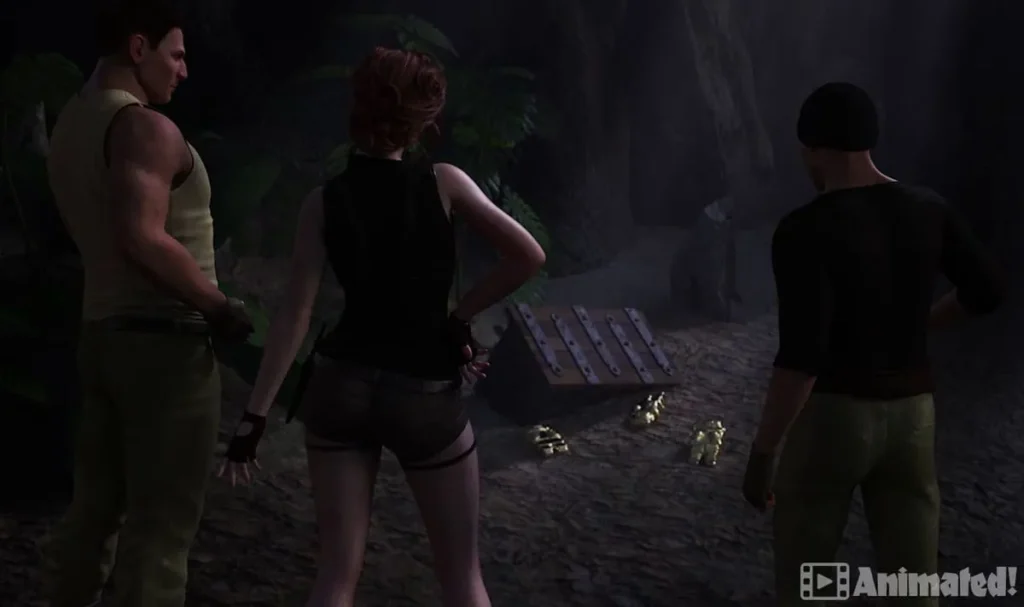








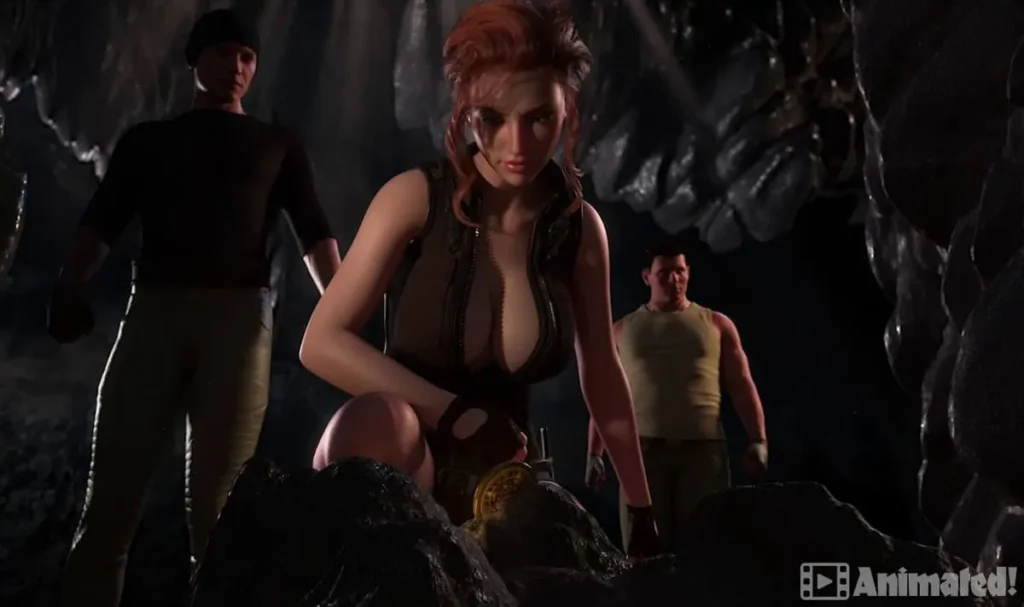
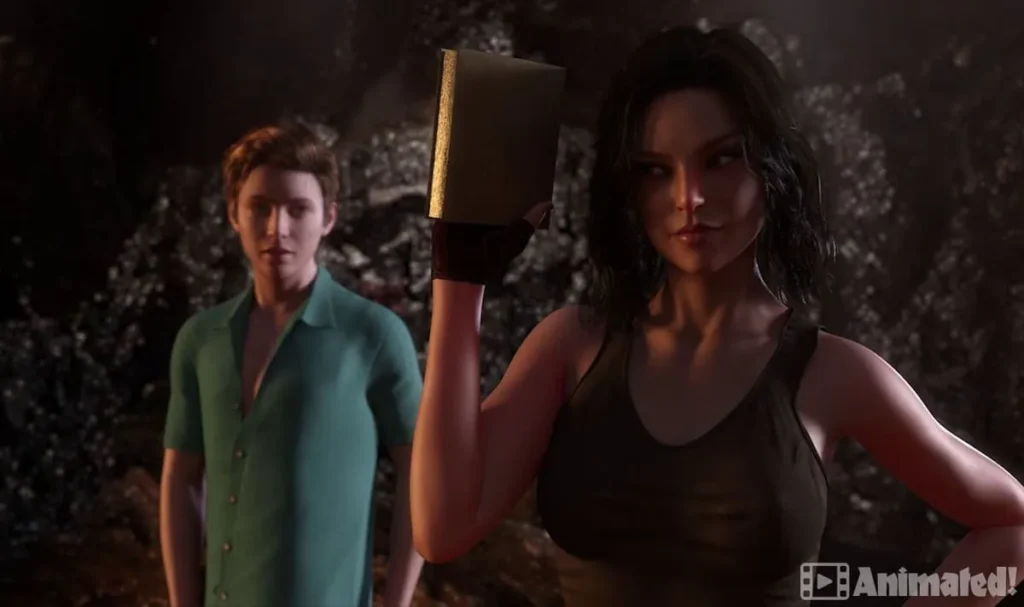
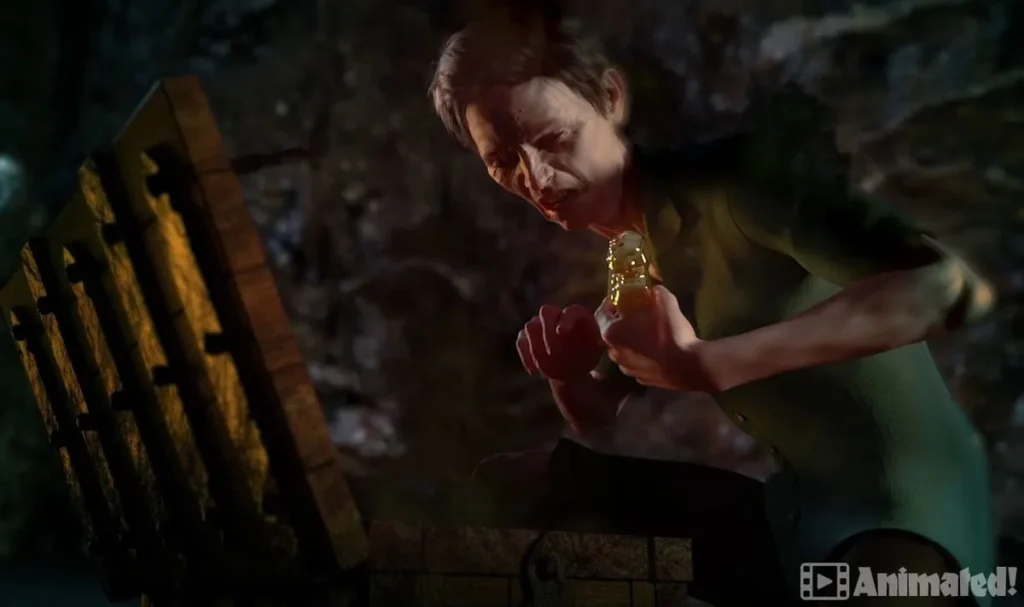





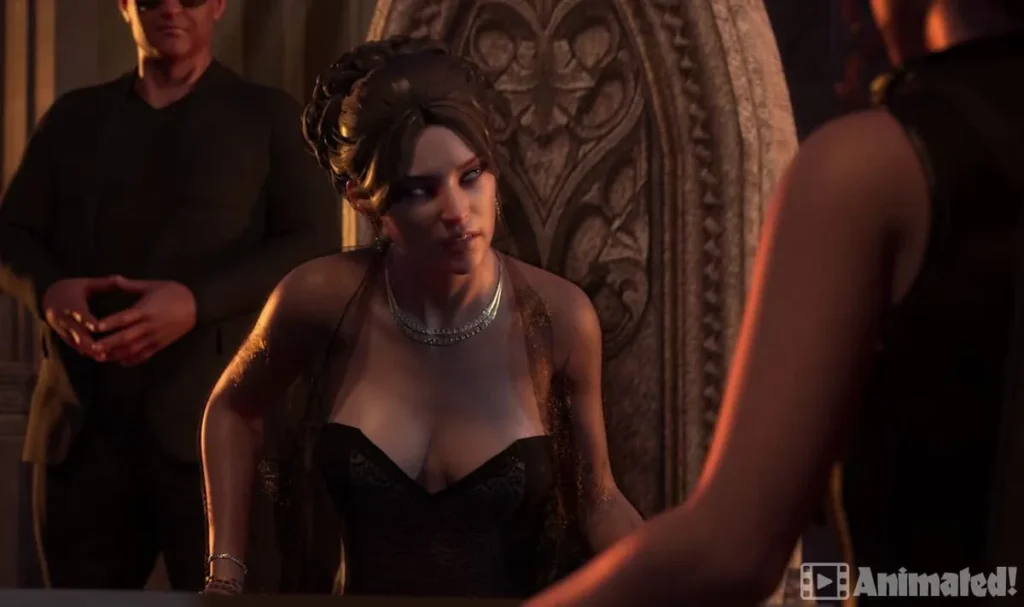




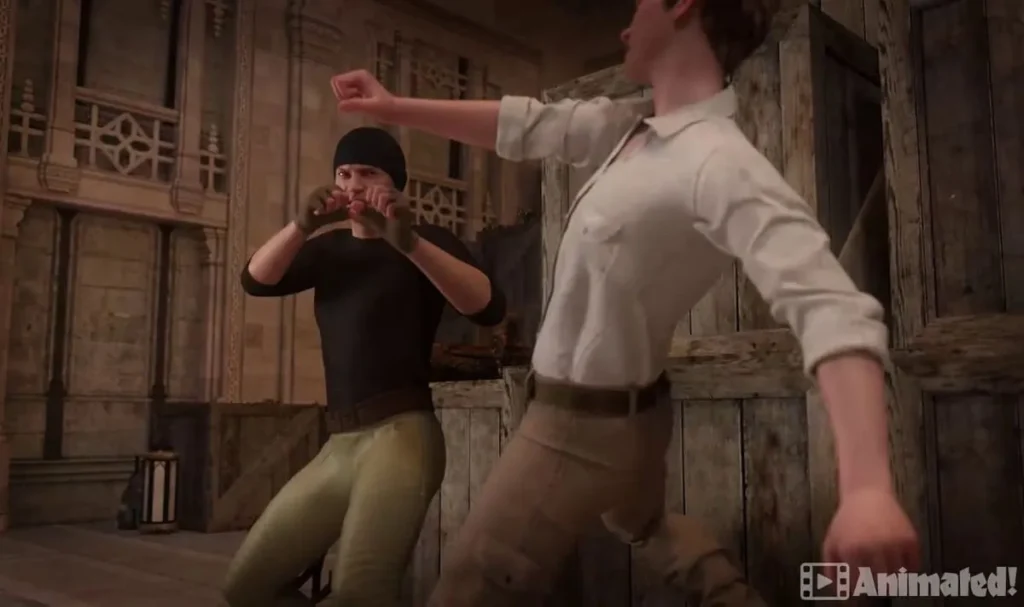








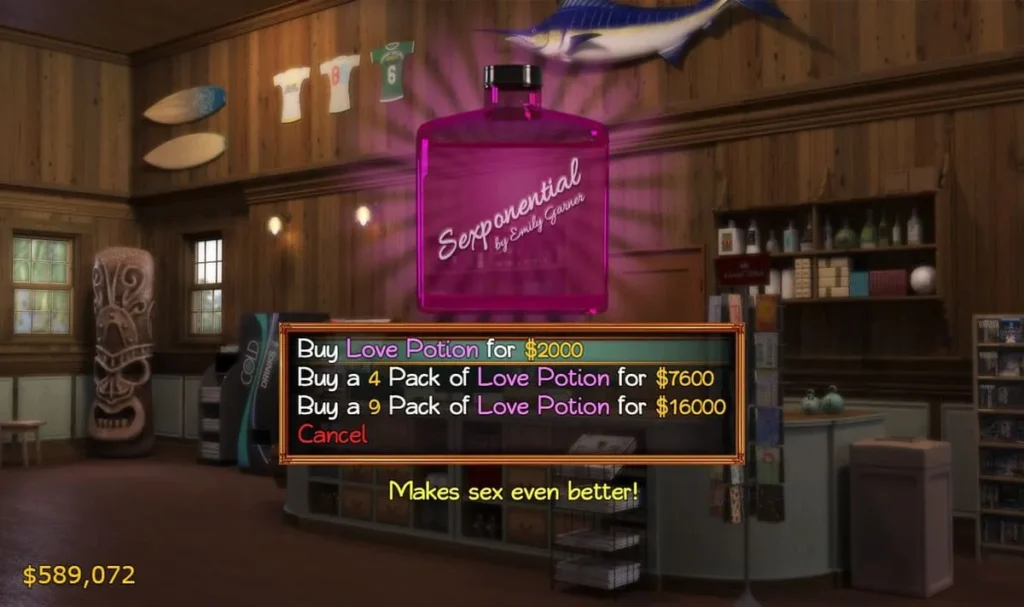

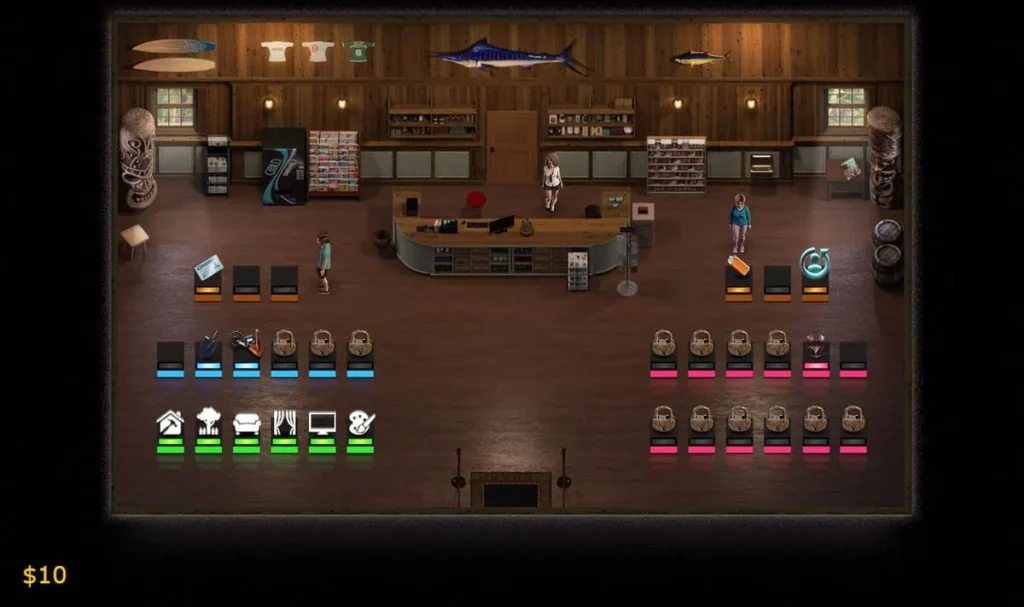

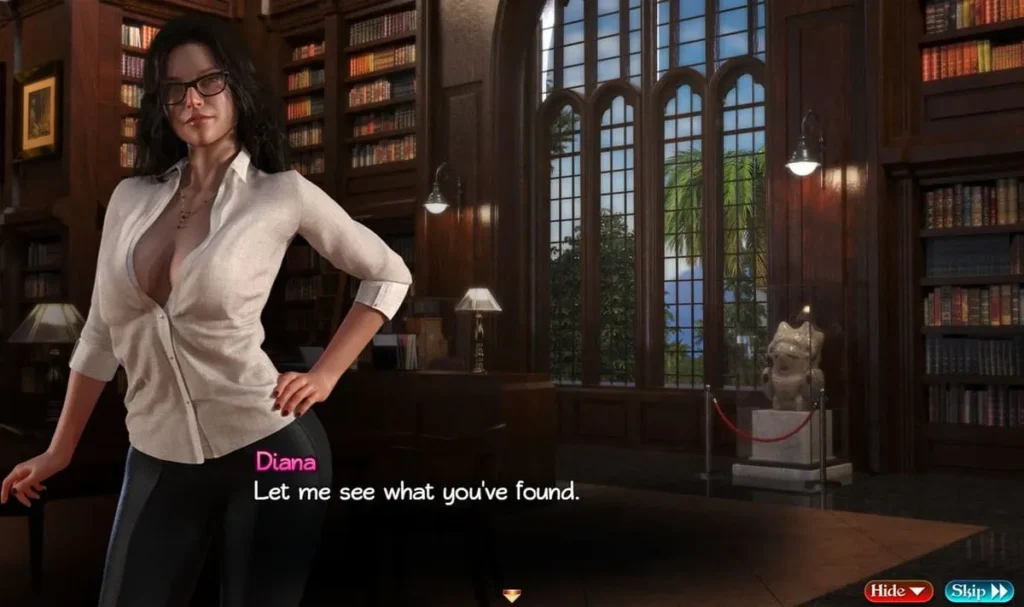



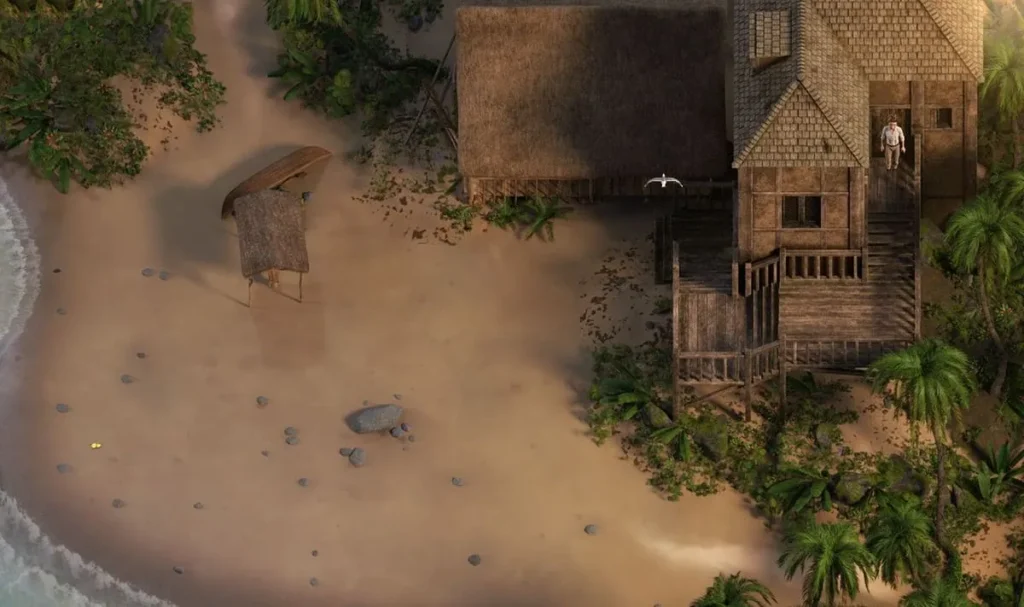

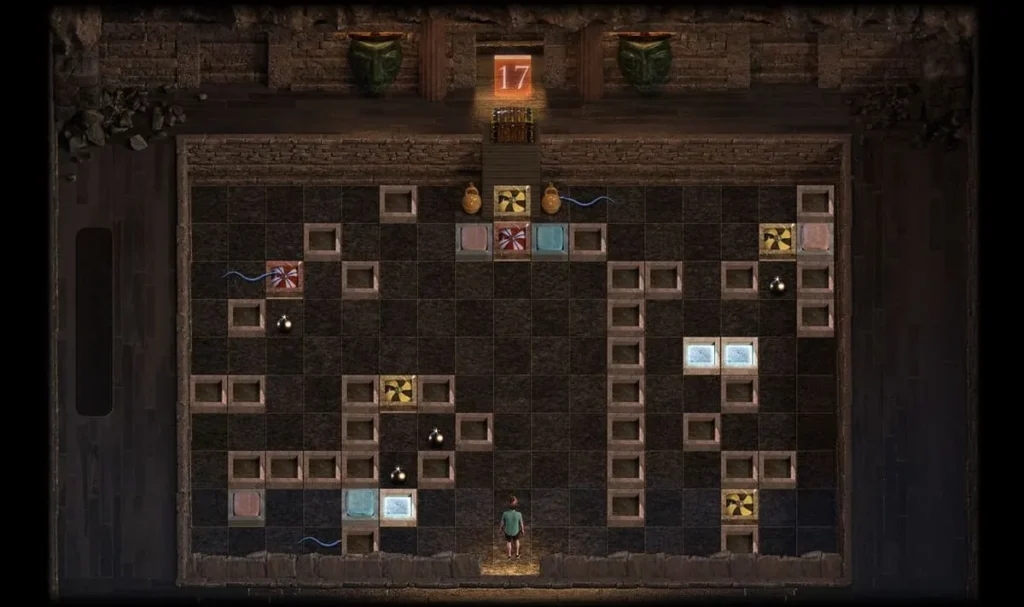
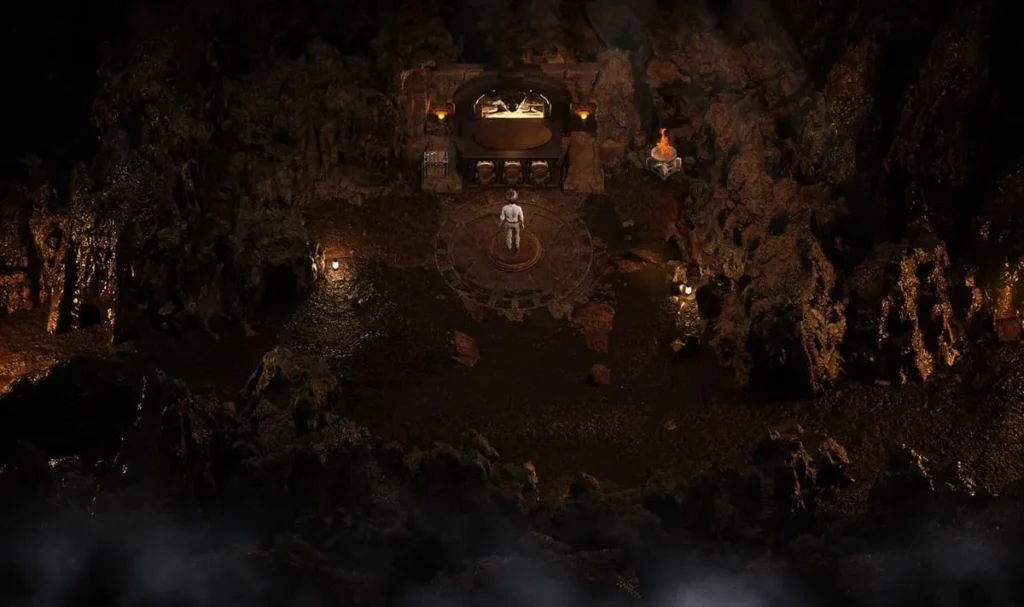
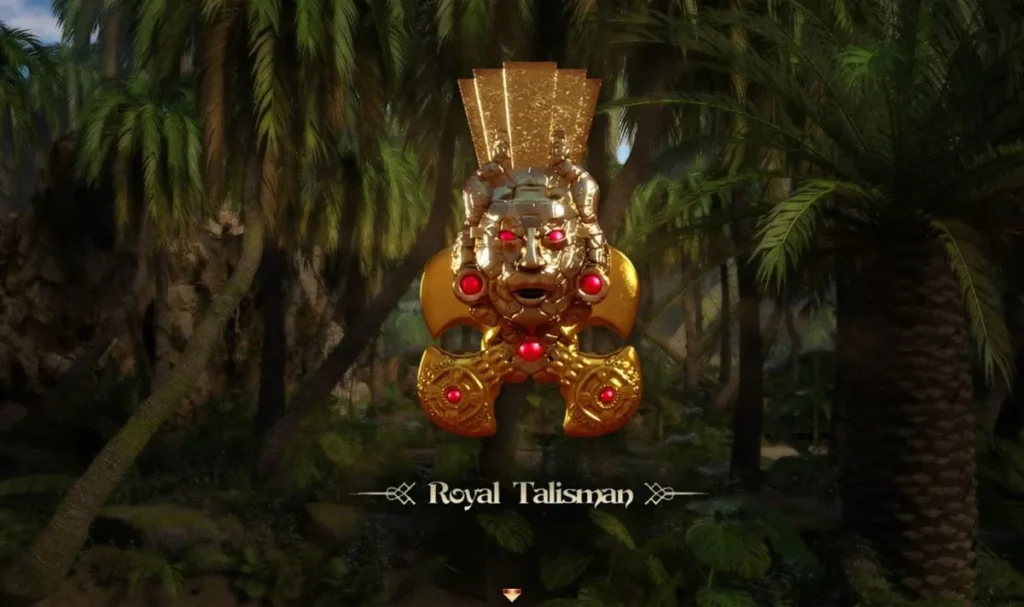
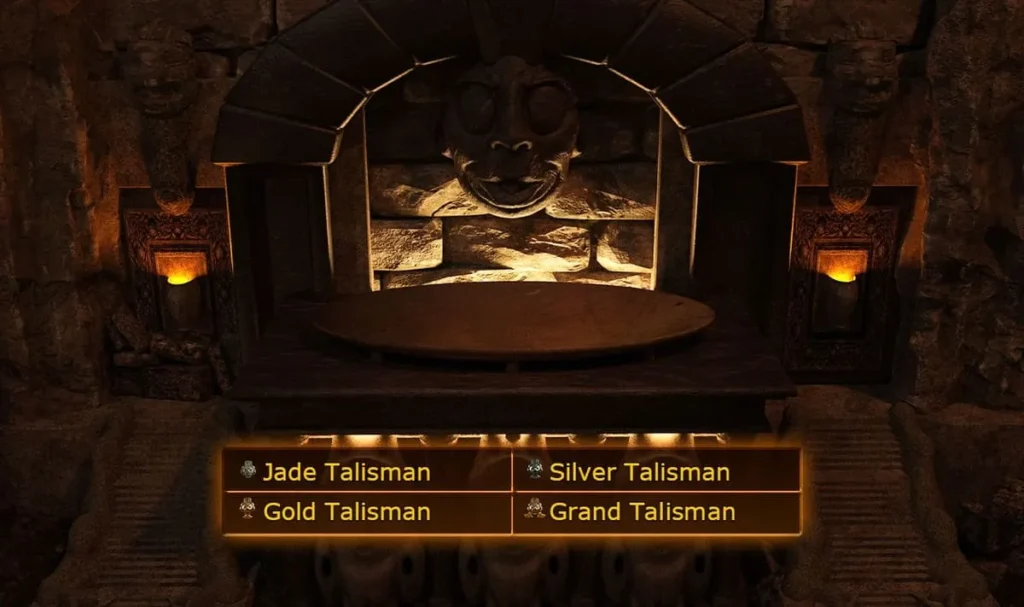

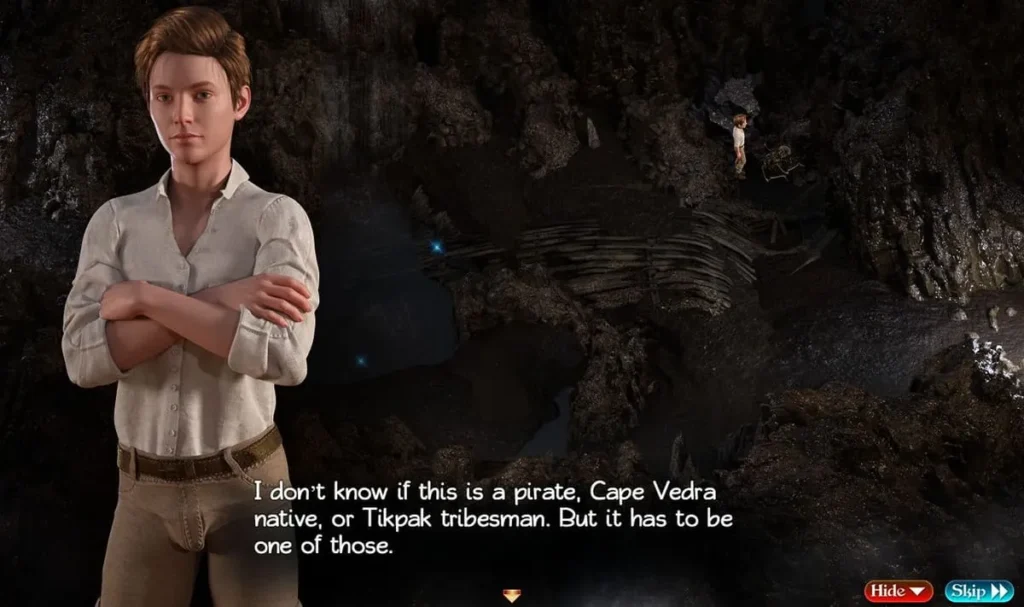
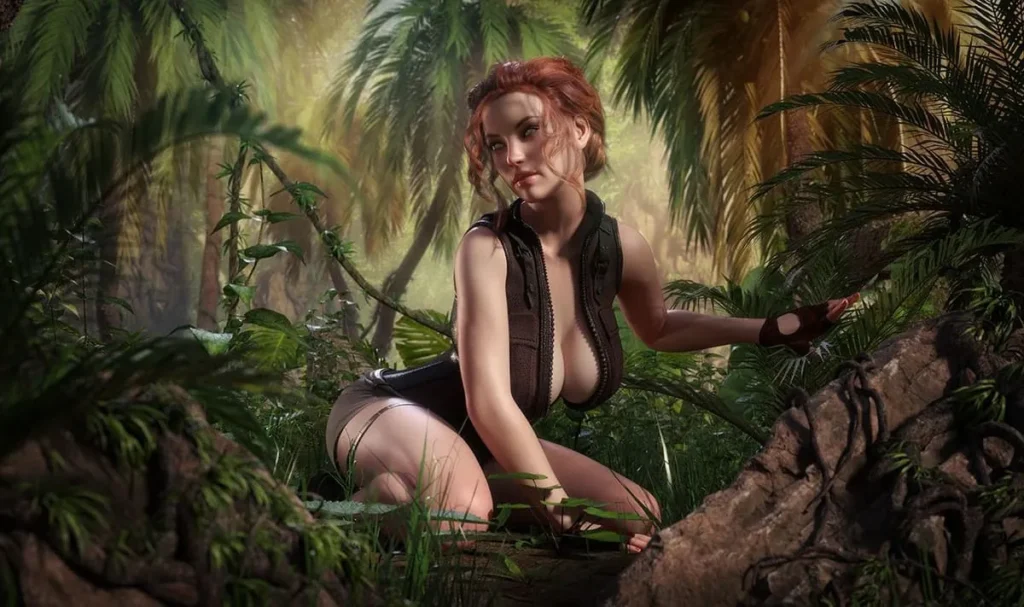
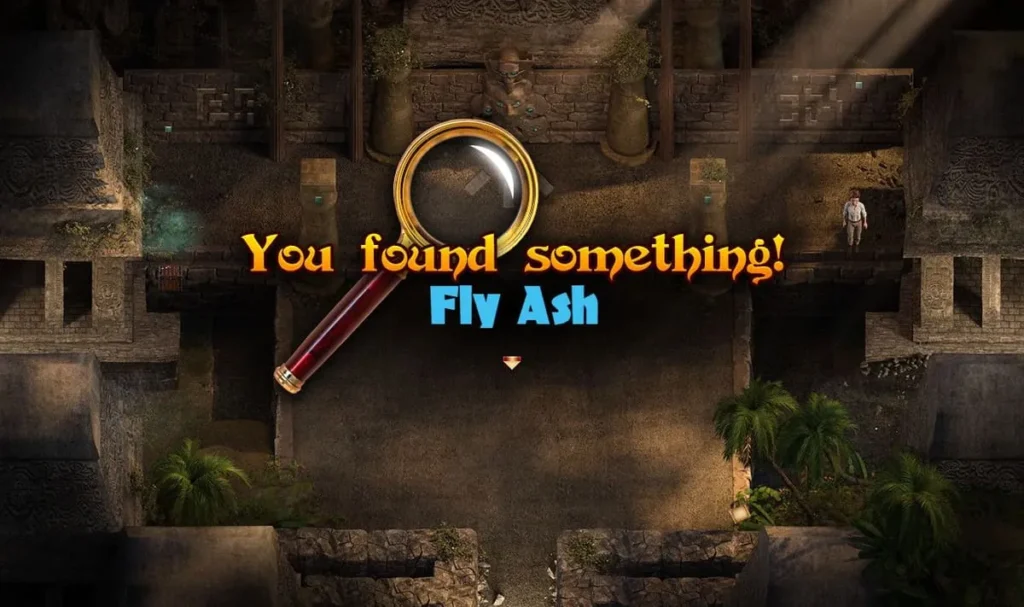
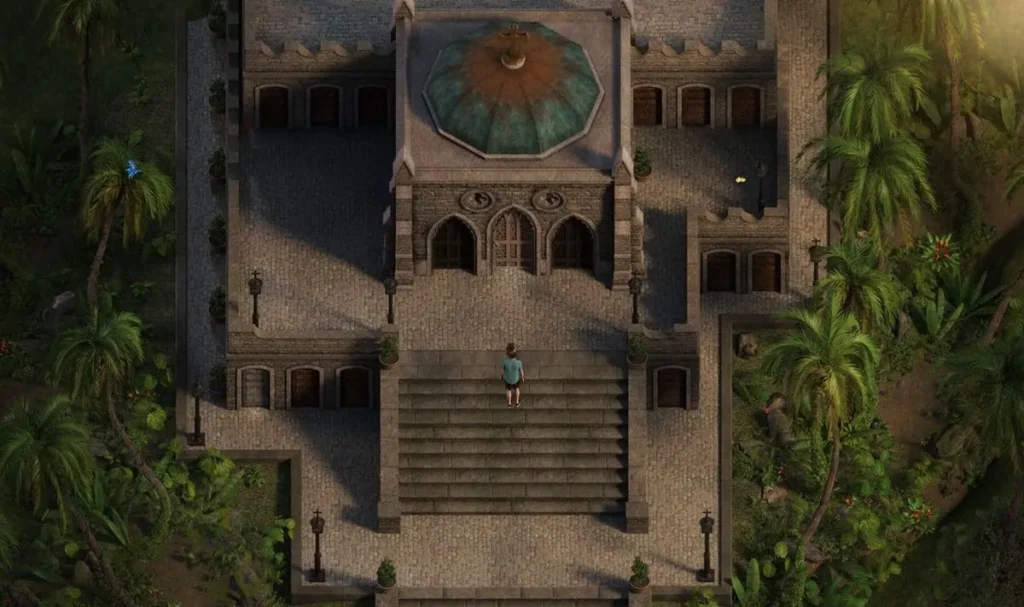
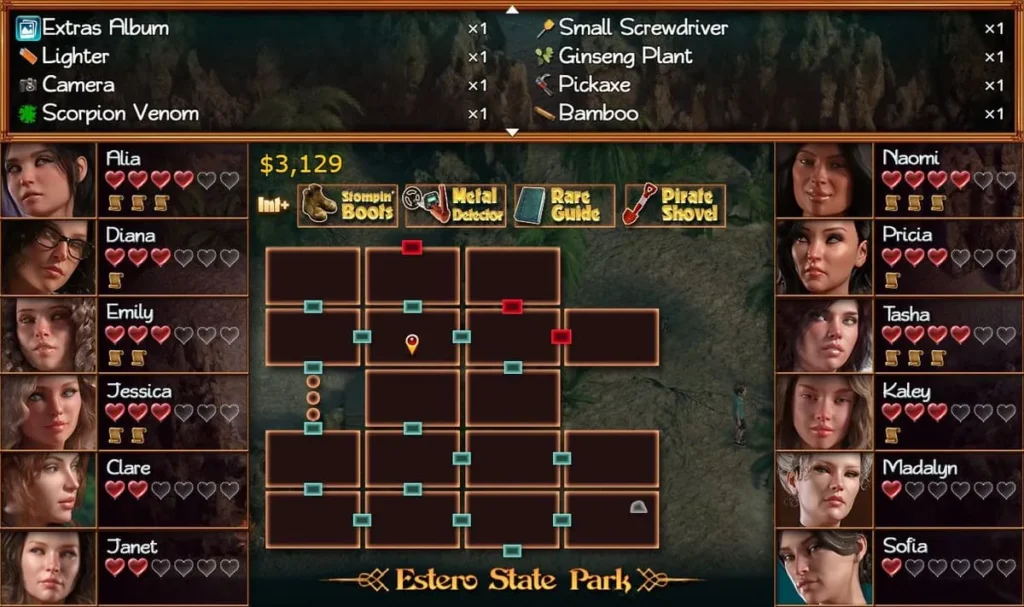
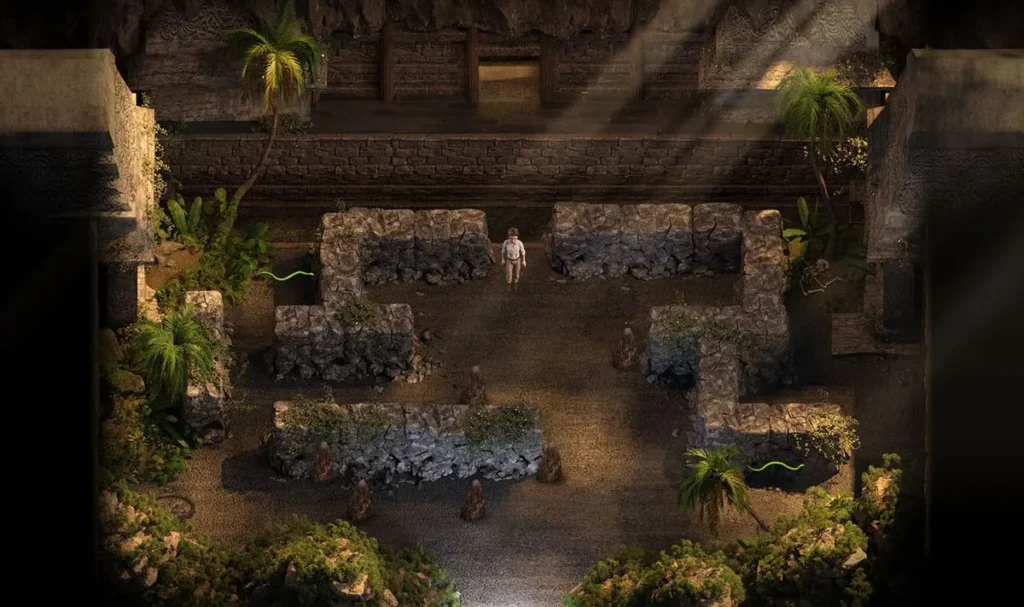
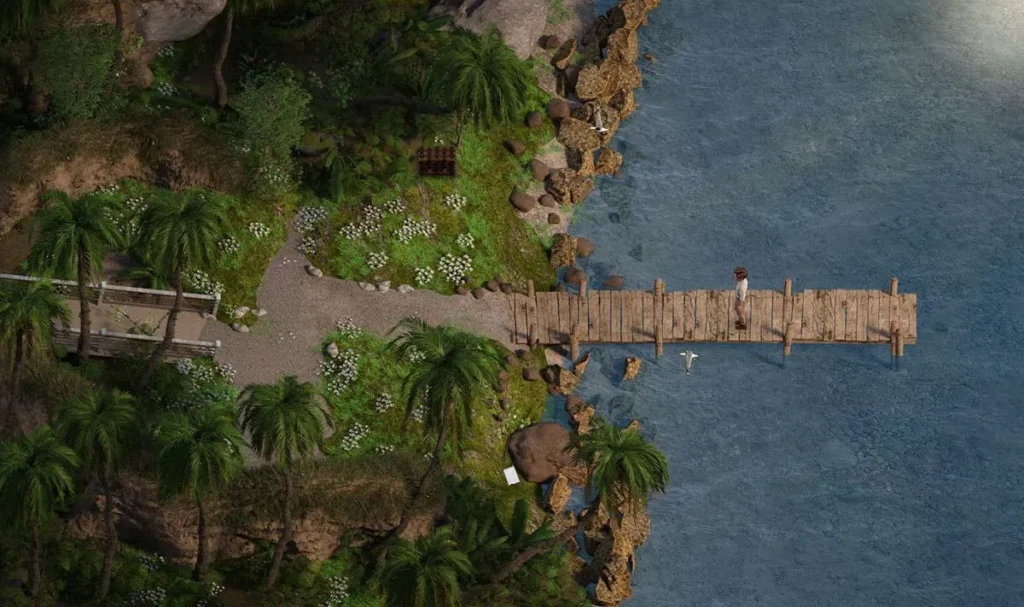
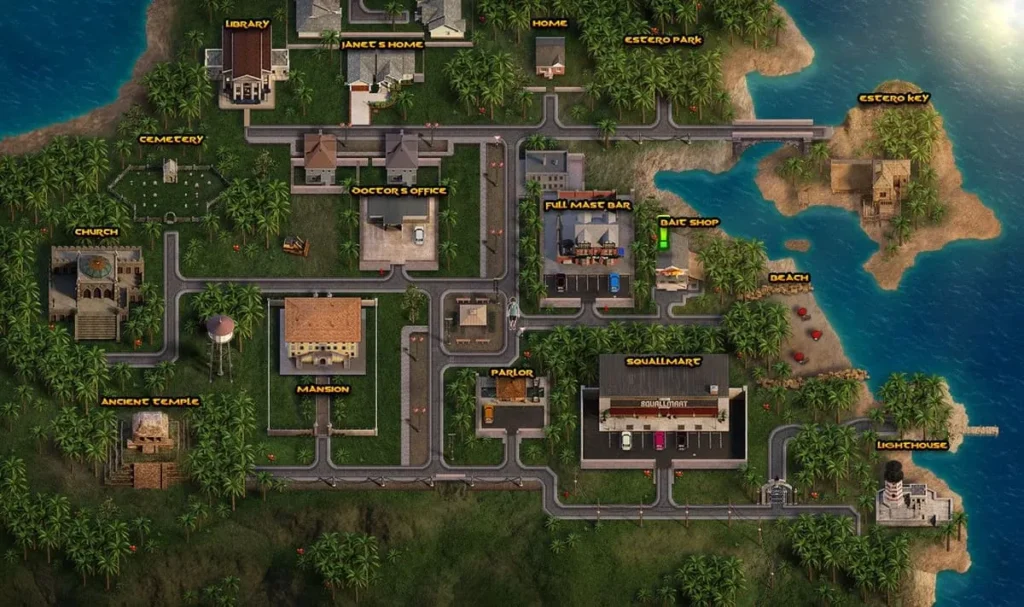
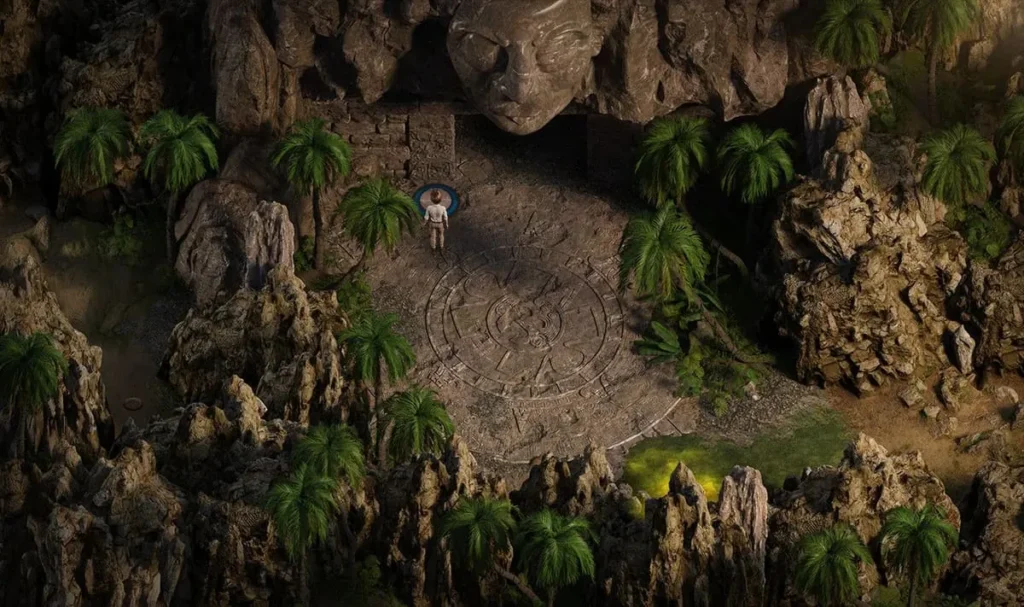
Treasure of Nadia review
Explore gameplay mechanics, character relationships, and story depth in this adventure-puzzle experience
Treasure of Nadia stands out as a unique title that blends Indiana Jones-inspired exploration with intricate character-driven narratives. This game combines puzzle-solving gameplay with relationship-building mechanics, offering players a substantial adventure experience that extends 30-50 hours depending on playstyle and choices. Whether you’re curious about how the exploration system works, how character relationships impact your journey, or what makes the branching storylines compelling, this guide breaks down everything you need to know about what makes this title distinctive in its genre.
Gameplay Mechanics & Exploration System
At its heart, Treasure of Nadia is a game about discovery. 🗺️ You’re not just uncovering ancient relics and hidden caches of gold; you’re uncovering stories, secrets, and the connections between a vibrant cast of characters. The core loop is beautifully simple: travel, craft, watch the story unfold, and repeat. But nestled within that simplicity is a surprisingly deep and interconnected system where every conversation matters and every crafted item can be a key to a new horizon. This chapter dives into the very engine of that adventure: the seamless blend of Treasure of Nadia exploration mechanics, character bonds, and inventive problem-solving.
The magic—and occasional frustration—lies in how these elements feed into each other. You can’t just brute-force your way across the island. Progress is gated not by high-level monsters, but by social savvy and clever puzzle-solving gameplay. Want to reach that secluded beach or ancient temple? You’ll likely need a specific tool, and to get that tool, you’ll need to befriend someone who can teach you how to make it. This creates a satisfying, if sometimes slow-burn, rhythm where story and gameplay are inextricably linked.
How Exploration Ties to Character Relationships
Forget empty fetch quests. In Treasure of Nadia, every interaction is an investment in your future freedom on the island. The game masterfully demonstrates how character relationships unlock map areas in the most literal sense. Gaining trust isn’t just about unlocking romantic scenes; it’s about gaining practical assistance. Characters become your guides, your suppliers, and your gatekeepers.
Think of it this way: early on, you might see a massive boulder blocking a jungle path. You can’t move it yourself. But as you help Diana with her research or share a few drinks with Kaley, you’ll eventually earn their trust. This trust translates into them telling you about a hidden cave system that bypasses the boulder, or even giving you the dynamite recipe needed to clear it. The map physically opens up based on your social progress. I remember hitting a wall early in my playthrough, staring at multiple blocked paths and feeling stuck. The solution wasn’t to grind for experience; it was to backtrack and actually talk to everyone again. Sure enough, a conversation with a character I’d neglected provided the crucial hint I needed.
This system turns the island into a social puzzle. That shy herbalist, Emily, might know all about the rare vines blocking the northern cliffs. The savvy merchant, Estrella, might have a line on a rare metal needed for a lockpick. By building these relationships strategically, you’re not just watching a story—you’re unlocking new game areas through diplomacy and charm. The balance here is key: you need to be a genuinely interested adventurer, listening to people’s problems, and also a savvy negotiator, knowing which connections will yield the most immediate exploratory payoff.
Pro Tip: Don’t just focus on one character! Spread your attention. Often, the item or clue you need to progress with Character A is given to you by Character B. The island’s social web is your most important map.
To maximize your efficiency, follow this strategic approach:
- Talk to Everyone, Always: After every major story beat or after unlocking a new area, make a full circuit of all available characters. Their dialogue often updates with new requests or information.
- Prioritize Helper Quests: Some character tasks directly reward you with tools or map markers. Focus on these when you feel exploration is stalled.
- Gifts are Golden: Always have a stock of liked gifts for key characters. A small boost in affection can be the nudge needed to trigger the next clue or scene that opens the world.
- Journal is Key: The in-game journal often subtly points you toward who might help next. If it mentions a problem, think about which character’s expertise fits.
- Revisit Old Barriers: Once you’ve strengthened a relationship or learned a new crafting recipe, go back to every previously blocked path. You’ll be surprised how many suddenly become passable.
Puzzle-Solving and Crafting Systems
The puzzle-solving gameplay in Treasure of Nadia is less about brain-bending logic tests and more about environmental interaction and resource management. Puzzles are integrated into the exploration itself. You’ll find cryptic stone tablets, mysterious mechanisms, and overgrown ruins that require specific items to interact with. This is where the crafting system guide part of your brain needs to kick in.
The crafting menu is your adventurer’s toolkit. You won’t be forging legendary swords here; you’ll be combining a Glass Bottle with Vinegar found in the store to make Solvent for cleaning artifacts. You’ll mix Gunpowder with Cloth to create Dynamite for those pesky boulders. Every discovery in the world—whether it’s Herbs picked from the ground, Scrap Metal from a junk pile, or Ancient Coins from a dig site—is a potential ingredient.
Here’s a quick look at some essential early-game crafts and their exploration uses:
| Crafted Item | Key Ingredients | Primary Exploration Use |
|---|---|---|
| Dynamite | Gunpowder, Cloth | Clearing rockfalls and blocked cave entrances. |
| Lockpick | Scrap Metal, Herbs | Opening locked chests and doors in various ruins. |
| Solvent | Glass Bottle, Vinegar | Cleaning dusty artifacts to reveal clues or make them usable. |
| Simple Key | Ancient Coin, Scrap Metal | A basic key for certain mechanical locks. |
The crafting system is intuitive and becomes a satisfying mini-game of its own. You’ll learn recipes by finding scrolls in the world, receiving them from characters, or simply experimenting. I can’t count how many times I was stuck, only to realize I hadn’t tried combining two common items sitting in my bag. That “aha!” moment of creating the right tool for the job is a consistent joy. It directly feeds the core loop: explore to find resources, craft to solve puzzles, which allows you to explore even further. This cycle is the bedrock of uncovering the island’s deepest island mysteries and treasures.
However, it’s fair to address the grind. 🐌 Particularly in the game’s middle sections, the need for specific resources (like multiple Ancient Coins or Herbs) can feel repetitive. You might find yourself making the same rounds through locations, clicking on the same spawn points, waiting for RNG to bless you. The gameplay is simple to understand, but this repetition can test your patience. My advice? Put on a podcast, embrace the relaxed rhythm, and view it as a chance to also check in with characters—their affection often increases just by visiting locations.
Map Navigation and Unlocking New Areas
Effective Treasure of Nadia map navigation is your greatest skill. The map isn’t just a static image; it’s a living checklist and progress tracker. New areas don’t just appear. They are revealed through the two systems we’ve just discussed: relationships and crafting/puzzles.
The map is divided into clear zones—the Beach, the Jungle, the Village, the Caves, etc. Initially, only a sliver of each zone is accessible. Unlocking new game areas is a process of creating connections. You might unlock the Cemetary not by walking to it from the Village, but by first accessing the Cliffside from the Jungle, which then provides a rope down. The game loves these indirect routes.
Here’s how it typically works:
1. See a Barrier: You encounter a physical obstacle (thick vines, a deep crevasse, a locked gate).
2. Find the Solution Through People: A character, through increased affection or a quest, hints at or gives you the recipe needed.
3. Gather and Craft: You farm the required materials and craft the key item (Machete, Grappling Hook, Skeleton Key).
4. Unlock and Integrate: You use the item, which not only clears that barrier but often opens up a network of new paths, connecting zones in unexpected ways.
The pacing is deliberate. The game expertly spaces out major exploration breakthroughs between story beats and adult scenes. It creates a natural rhythm: a period of social interaction and light resource gathering builds up to a thrilling exploration push, which culminates in a major story discovery or character moment. This ebb and flow keeps the journey engaging, making each new unlocked area feel like a genuine reward for your efforts.
To navigate like a pro, always use the map’s fast-travel feature to save time. 🚀 More importantly, get into the habit of mentally marking spots you can’t yet pass. The Treasure of Nadia exploration mechanics are designed for backtracking. Your map will be dotted with these “soft locks” that you’ll gradually peel away as your social and crafting prowess grows. The ultimate treasures and the solution to the island’s central mystery are hidden behind the most complex chains of relationships and puzzles, making the final acts of discovery immensely satisfying.
In the end, the gameplay of Treasure of Nadia is a dance between your social calendar and your adventurer’s journal. Its genius is in making you care about the people, because caring for them is the only way to see the island. The simplicity of the loop—travel, craft, story—belies a deep, interconnected system where every friendly chat is a step toward a hidden tomb, and every crafted tool is a key to both a new area and a deeper connection. It’s this unique blend that turns a simple treasure hunt into a memorable journey.
Treasure of Nadia successfully merges substantive adventure gameplay with character-driven storytelling, creating an experience that appeals to players seeking both intellectual challenges and emotional engagement. The game’s exploration mechanics, branching storylines, and relationship systems work together to create a world where your choices genuinely matter. With 30-50 hours of content, multiple endings, and a commitment to character variety and narrative depth, the game offers significant replayability for those willing to explore different relationship paths and story branches. While it has minor drawbacks like occasional puzzle difficulty spikes and interface quirks, the overall design philosophy prioritizes player agency and exploration. If you’re looking for an adventure that values relationships as much as treasure hunting, Treasure of Nadia delivers a surprisingly deep and engaging journey through a carefully crafted world.