Our Red String
Play Our Red String
Our Red String Screenshots







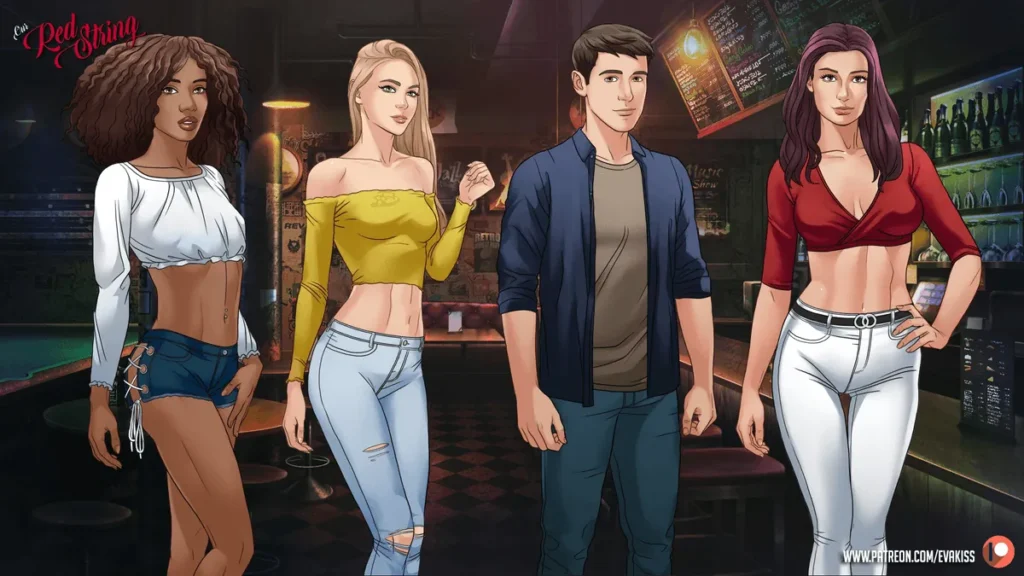
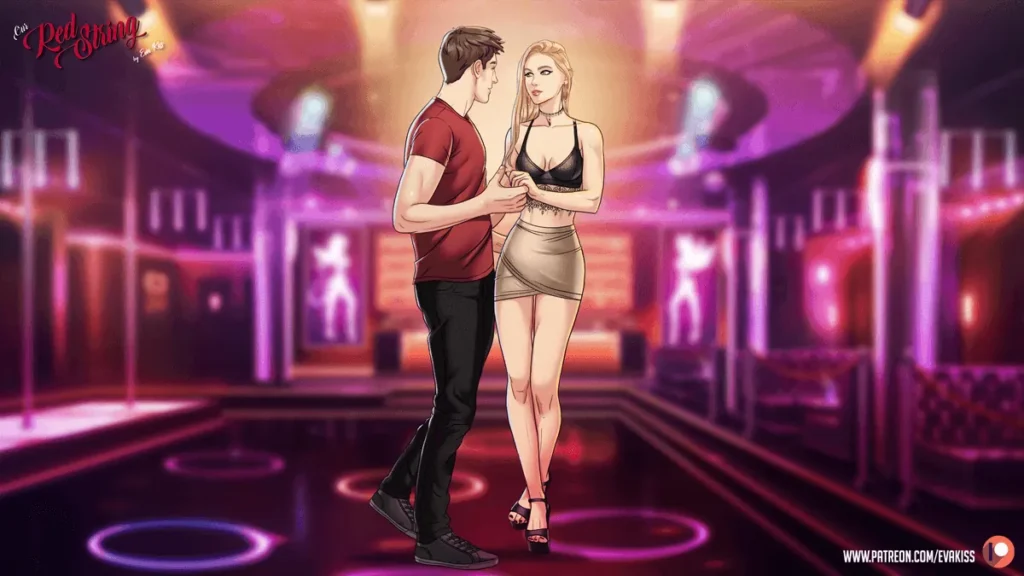

Our Red String review
Master Choices, Stats, and Paths in This Gripping Adult Adventure
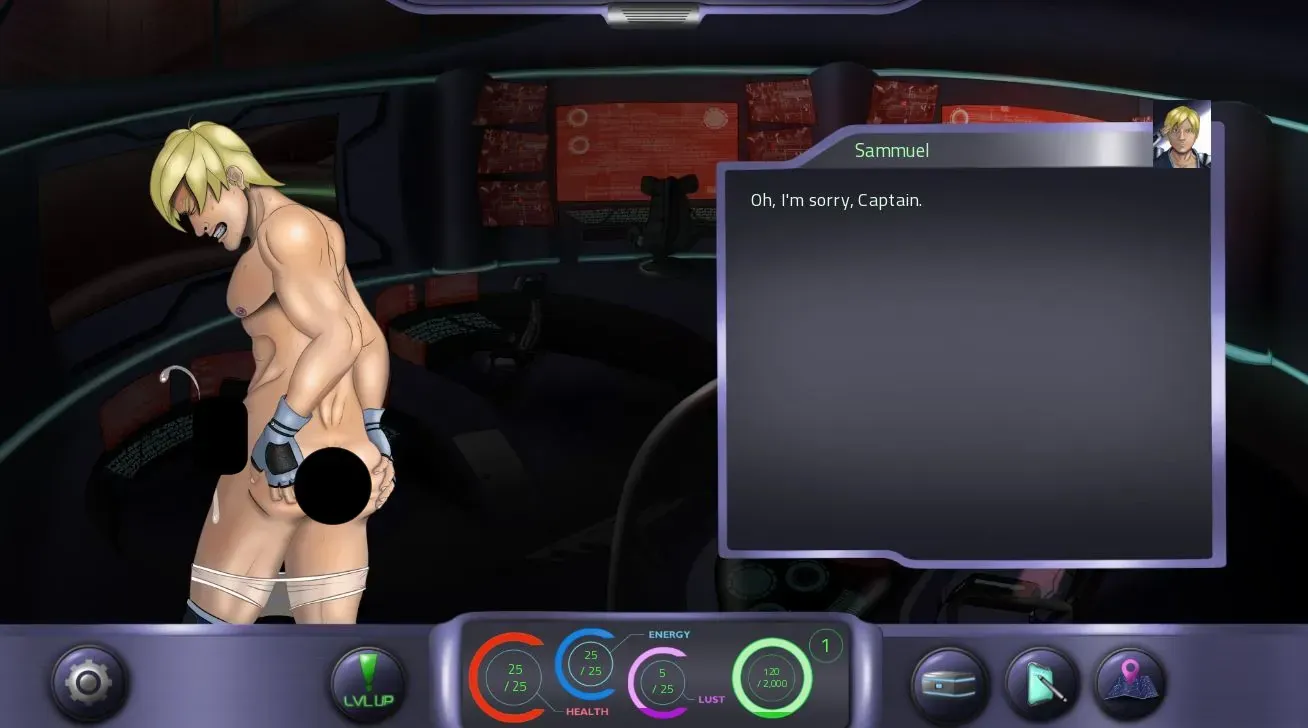
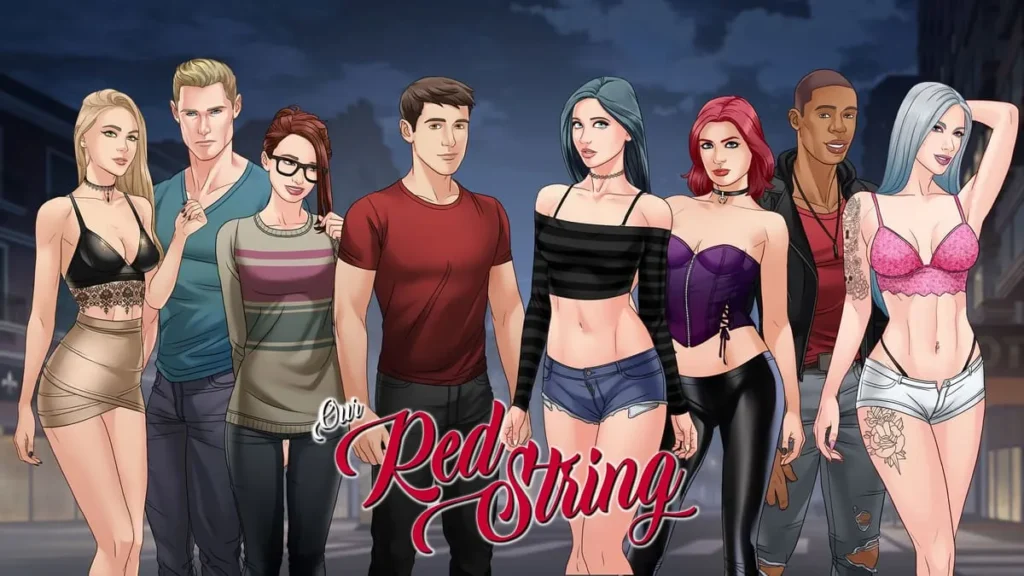
Ever felt that invisible thread pulling you into a story where every decision twists your fate? That’s ‘Our Red String’ for you—a captivating adult game with dual protagonists whose lives intertwine through your choices. I remember my first playthrough: heart racing as I leveled up Wits to outsmart rivals or boosted Lust for steamy encounters. This non-linear gem by Eva Kiss offers endless replayability with stats like Charisma, Athletics, and more shaping relationships and outcomes. Whether you’re chasing romance, drama, or intense paths, this guide unlocks it all. Dive in and tie your own red string.
What Makes Our Red String Addictively Replayable?
It was 3 AM, and I was supposed to be asleep. Instead, I was staring at my screen, my heart doing a little flip as I clicked a dialogue option for Lena that I’d never dared to choose before. What happened next wasn’t just a new scene—it was a cascade of consequences. Ian’s story, playing in parallel, suddenly shifted. A phone call he was supposed to receive never came. A door that was open for him was now firmly shut. My Red String gameplay session had just veered into uncharted territory, and I was hooked all over again. That’s the magic of this dual protagonists game; you’re not just managing one life, you’re conducting a symphony of cause and effect between two. I obsessed over these branching paths for weeks, and here’s what I learned about what makes it so irresistibly replayable. 🕰️✨
How Dual Protagonists Drive the Non-Linear Storyline
Most games give you a single lens to view the world. Our Red String hands you two, and they’re rarely in focus at the same time. You don’t just play as Lena or Ian; you play as Lena and Ian, often making choices for one that directly box the other into a corner, or open up a glorious new window. This setup is the engine of the non-linear story Our Red String is famous for.
Think of it like this: you guide Lena to be brutally honest during a tough conversation, scoring points for her integrity. Great! But that honesty might bruise someone’s ego—someone who happens to be Ian’s potential business partner. Suddenly, Ian’s path to a career opportunity gets a lot rockier because of your choice for Lena. This player decisions impact Our Red String in a truly interconnected way. The storyline isn’t a single road with forks; it’s a web where tugging one thread vibrates the entire structure.
The beauty is in the perspective. A scene played from Lena’s point of view shows her actions as justified, even heroic. Then, you switch to Ian and see the emotional fallout of those same actions from the outside, making you question everything. This constant duality means there is no single “true” story. Your first playthrough is just a story. The next one, where you make different Our Red String choices, becomes a completely different narrative experience. You’re not just unlocking scenes; you’re uncovering hidden motivations and silent repercussions that were there all along.
Unlocking Multiple Endings Through Key Decisions? 🗝️
Ah, the holy grail of replay value: the multiple endings Our Red String offers. This isn’t a simple “good, bad, and neutral” finale. We’re talking about nuanced conclusions for each protagonist’s career, their personal happiness, the state of their relationship with each other, and their various romantic entanglements. An ending where Lena is a celebrated artist but Ian is a lonely wreck feels vastly different from one where they’re broke but deeply in love.
So, how do you steer toward a specific destination? It all comes down to cumulative Our Red String choices. The game often labels major decision points, subtly guiding you. You might see prompts pointing toward “Romance: Cora” or “Conflict: Janus.” These are your signposts on the larger Our Red String paths guide. But smaller, unlabeled choices—a moment of kindness, a withheld secret, a spontaneous lie—add invisible weight to the scales.
My top tip for new players? Don’t try to “game” the system on your first run. Play authentically. The surprise is part of the fun. Then, use that knowledge to deliberately craft your next journey.
Here’s a quick list of the top 5 reasons the game begs to be replayed, centered on choice variety:
- Relationship Sculpting: Will Lena and Ian be supportive siblings, distant acquaintances, or something filled with tension? Your choices define their unique bond.
- Romantic Branching: Pursuing different love interests isn’t just new scenes; it’s entirely new story arcs, challenges, and character developments.
- Career Crossroads: Choices affect professional opportunities, opening or closing paths in the music and art worlds that change the characters’ futures.
- Moral Alignment: You can shape Lena and Ian’s core ethics—are they idealists, pragmatists, or opportunists? This affects how other characters perceive and interact with them.
- Secret Triggers: Hidden flags, based on specific choice combinations, unlock rare scenes and dialogue only a fraction of players will ever see.
To visualize how early choices can send ripples through the entire story, consider this simple breakdown:
| Chapter 2 Choice (Lena) | Immediate Effect | Long-term Ripple (for Ian) |
|---|---|---|
| Accept a shady art commission | Quick cash, moral compromise | Introduces a rival gallery owner who later blocks Ian’s band from performing. |
| Decline the commission | Financial struggle, integrity upheld | Forces Ian to seek a different, more legitimate venue, leading to a meet-cute with a bar manager. |
Why Player Agency Feels So Empowering Here 🎮
In many story games, your choices feel like they’re just selecting pre-written variations. In Our Red String, the player decisions impact Our Red String narrative so profoundly that it creates a powerful illusion of authorship. You’re not following a story; you are, in a very real sense, writing it with every click. This is the heart of its addictive Our Red String gameplay.
Let me share a personal case study from my own playthroughs:
- Playthrough One (The Harmonizer): I aimed for harmony. Lena was supportive, Ian was communicative. I avoided conflict and mended fences. The result was a sweet, heartwarming story where both characters achieved moderate success and stayed close. It felt good… but safe.
- Playthrough Two (The Catalyst): I embraced tension. Lena was fiercely ambitious, Ian was recklessly passionate. I let arguments happen, pursued risky romances, and prioritized ambition over comfort. The story was a rollercoaster of drama, betrayal, stunning artistic triumphs, and painful personal lows. It was electrifying.
These weren’t just different endings; they were different genres of story, born entirely from my agency. The game’s system trusts you with real consequence. When a character’s trust is broken, it often stays broken. When you burn a bridge, you usually can’t rebuild it. This gravity makes every choice feel significant and empowering. You’re building a world, not just passing through it.
Actionable Advice: If you’re aiming for a specific outcome, start tracking your major choices early! Keep a simple note of key decisions labeled with their apparent path (e.g., “Ch3 – Lena: Told truth to X → Conflict Path”). This will help you avoid narrative dead ends and understand the logic of the non-linear story Our Red String weaves.
As we wrap up this dive into replayability, remember that every loaded silence, every burst of honesty, and every calculated lie is a brushstroke on a larger canvas. The true mastery comes from understanding how these strokes interact across two lives. Ready to see the hard numbers behind the heartstrings? In our next chapter, we’ll break down the crucial stats system—your hidden roadmap to navigating this beautiful, complex web. 📊
FAQ: Your Replay Questions Answered
Q: Does save-scumming (reloading saves to test choices) work well in Our Red String?
A: It can be a useful tool for experimentation, but I recommend against it for your first playthrough. The emotional weight of living with your decisions is a core part of the experience. For subsequent runs, it’s great for testing specific choice outcomes!
Q: Is there one “perfect” or canonical ending I should aim for?
A: Absolutely not! 🚫 The game’s design philosophy rejects that idea. The “best” ending is entirely subjective and based on what story you want to tell for Lena and Ian. A tragic, dramatic ending can be just as satisfying and well-written as a happily-ever-after.
Q: How different can two playthroughs really be?
A: Astonishingly different. Beyond the major ending slides, you can easily experience 30-40% entirely new scenes, dialogue, and character interactions on a second run if you make different core relationship and career choices. It genuinely feels like a new story.
We’ve journeyed through the twists of ‘Our Red String,’ from mastering stats like Wits and Lust to navigating those game-changing choices that define your protagonists’ fates. My own dives into its paths taught me that true thrill lies in experimentation—embrace the non-linear chaos for endings you’ll replay forever. Ready to weave your red string? Grab the latest version, track your stats, and let decisions lead the way. Share your wildest outcomes in the comments—what path hooked you most? Your adventure awaits.